
In today’s rapidly advancing laboratory environments, researchers face pressing biosafety challenges and stringent sterilization workflow demands. Whether in clinical diagnostics or academic settings, the potential for contamination is a serious concern. Traditional methods of sterilization, such as alcohol lamps and Bunsen burners, often fall short in providing the level of precision and safety required today. Enter the Micro Incinerator, including the Infrared Inoculating Loop Sterilizer—an innovative solution that transforms waste into a resource while ensuring rigorous compliance with biosafety standards.
Technical Principles of Micro-Incinerators
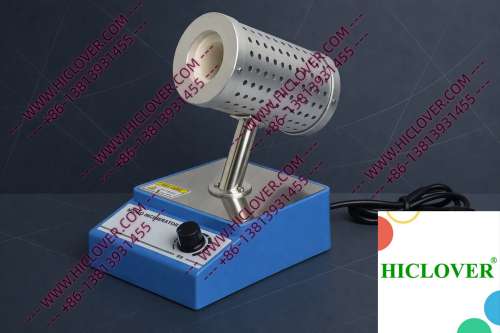
The core functionality of micro-incinerators lies in their unique design and operational principles. Unlike traditional flame-based sterilizers, which carry risks of contamination and fire hazards, micro-incinerators utilize:
- Infrared Heat: Generates rapid thermal sterilization without combustion by radiating high temperatures directly to the target area.
- Enclosed Ceramic Tubes: The ceramic heating chamber ensures a clean, isolated environment that minimizes aerosol generation.
- Adjustable Temperature Settings: Operators can calibrate the device for optimal disinfection, typically ranging from 300°C to 850°C.
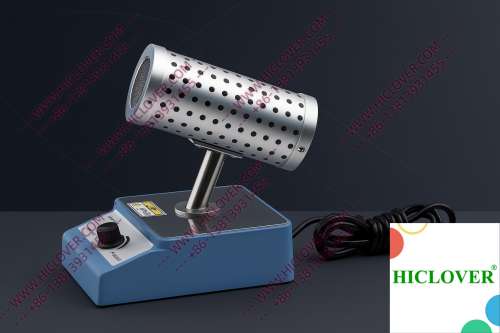
This design allows microbiologists to efficiently achieve sterilization in various laboratory scenarios without the drawbacks associated with traditional flame methods.
Application Scenarios in Real Labs
Biosafety Cabinets
Biosafety cabinets are designed to protect laboratory personnel from exposure to infectious agents. However, they also require a meticulous sterilization workflow to maintain a contamination-free environment. Using a Micro Incinerator within a biosafety cabinet allows for quick sterilization of inoculating loops and other tools, enhancing both safety and efficiency. The device’s enclosed design ensures no harmful aerosols escape, providing peace of mind as operators conduct their meticulous work.
Field Testing
In mobile or field testing labs, sterilization is often more challenging due to limited resources. Micro Incinerators shine in these scenarios, as they are lightweight and portable. Field researchers can use infrared sterilizers to disinfect microbial handling tools swiftly, even when away from traditional lab settings. This capability is paramount for ensuring accurate results and the integrity of samples obtained in remote locations.
Compliance with Global Biosafety Standards
Adhering to established biosafety standards is critical for the operation of laboratories, particularly for BSL-2 and BSL-3 facilities. The Micro Incinerator aligns with WHO biosafety guidelines, emphasizing:
- Performance that meets lab sterilization standards.
- Avoidance of open flames, ensuring safety in clean rooms.
- Reduction in the generation of airborne pathogens through aerosol-free handling.
Comparison: Micro Incinerator vs. Traditional Flame Sterilizers
| Feature | Micro Incinerator | Flame Sterilizers |
|---|---|---|
| Safety | High; no flame | Moderate; risk of fire |
| Efficiency | Rapid thermal sterilization | Slower; dependent on flame control |
| Cleanliness | Aerosol-free handling | Risk of contaminants from combustion |
| Mobility | Portable design | Heavy and fixed |
FAQs
What are the key benefits of using a Micro Incinerator over traditional flame sterilizers?
The Micro Incinerator offers enhanced safety, rapid sterilization, and reduced risk of contamination due to its enclosed ceramic chamber and aerosol-free operation.
How does infrared sterilization work in a Micro Incinerator?
Infrared sterilization utilizes high-temperature infrared radiation to quickly eliminate microbes and contaminants from laboratory tools, effectively improving sterilization speed and efficacy.
Is a Micro Incinerator suitable for field testing laboratories?
Yes, the lightweight and portable design of the Micro Incinerator makes it an ideal choice for mobile labs conducting field testing, ensuring effective sterilization regardless of location.
What compliance standards should be met when using sterilization equipment in laboratories?
Laboratories must adhere to standards set by organizations like WHO, including performance guidelines for sterilization processes, and maintaining safety in BSL-2 and BSL-3 environments.
Can a Micro Incinerator reduce operational costs in a laboratory setting?
Yes, by minimizing the risk of contamination and improving sterilization efficiency, labs can optimize their workflows, reducing the cost associated with failed experiments and rework.
Conclusion
The transformative potential of Micro Incinerators in laboratory environments cannot be overstated. By solving the critical challenges of contamination control and compliance with biosafety standards, these devices stand as a beacon of innovation in microbial research and laboratory practices. For laboratories seeking to enhance their sterilization workflows while adhering to stringent safety protocols, investing in a Micro Incinerator is a forward-thinking choice.
Contact us today to learn more about our range of Micro Incinerators and how they can support your laboratory needs.
Categories:
Tags: