
As the importance of animal health continues to rise, the need for effective laboratory sterilization equipment has never been more critical. Laboratories, particularly in veterinary microbiology, face multiple biosafety challenges—from contamination control to meeting stringent sterilization workflows. Among the innovative solutions available, the Micro Incinerator, also known as the Infrared Inoculating Loop Sterilizer, stands out as a game changer for maintaining laboratory integrity.
Key Technologies Behind Micro Incinerators
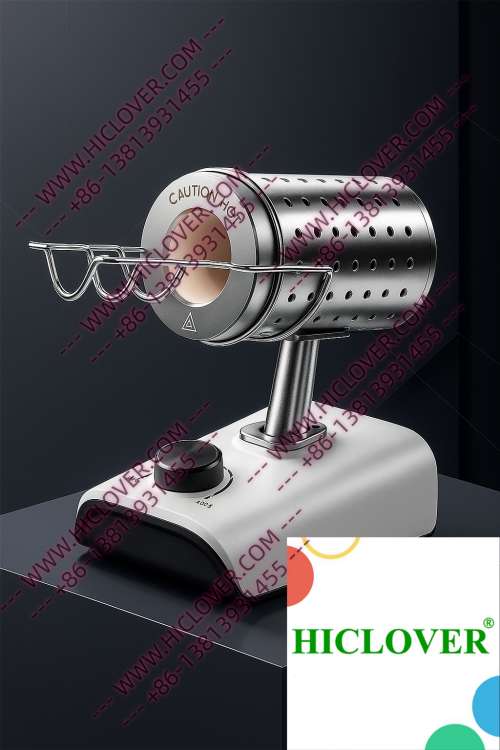
Micro Incinerators function on the principle of rapid thermal sterilization using an infrared heating element. Unlike traditional flame sterilizers, which rely on open flames (like alcohol lamps or Bunsen burners), Micro Incinerators utilize a closed ceramic heating chamber. This technology allows for high-temperature disinfection (up to 800°C) without generating harmful aerosols or flames that could compromise the biosafety of the laboratory environment.
Technical Configuration of Micro Incinerators
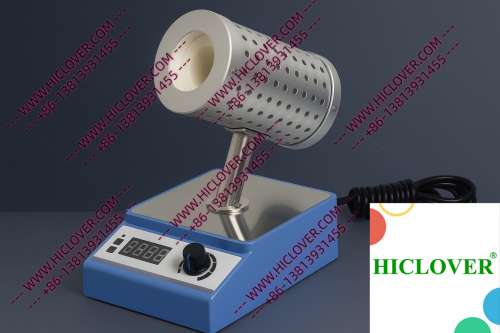
The design of a Micro Incinerator typically includes:
- Enclosed ceramic heating tube for superior thermal efficiency
- Infrared technology for fast heating and cool down
- Compact footprint that fits easily into standard biosafety cabinets
- Minimal maintenance requirements and improved lifespan compared to traditional flame sterilizers
- WHO biosafety guidelines for laboratory containment
- Local regulations concerning sterilization standards
- The prohibition of open flames in clean rooms and laboratories to prevent fire hazards and chemical reactions
- Rapid Sterilization: Faster cycle times compared to the wait for flames to cool down.
- Enhanced Safety: Eliminates the risk of burns and extinguishing flames under biosafety conditions.
- Reduced Contamination: No airborne contaminants released, as found with flaming techniques.
- Improved Environmental Responsibility: Lower energy consumption and minimal carbon footprint.
Applications in Real-World Laboratory Settings
Micro Incinerators are highly versatile and can be effectively deployed across various laboratory scenarios, including:
1. Biosafety Cabinets
In a BSL-2 or BSL-3 veterinary microbiology lab, the use of a Micro Incinerator provides a clean and safe way to sterilize inoculating loops and other instruments directly within a biosafety cabinet. This process helps to minimize contamination risk when handling sensitive animal samples. The fast heating characteristic eliminates lengthy wait times, allowing for efficient workflow management.
2. Field Testing Laboratories
Field testing presents unique challenges, as personnel need portable and robust sterilization equipment. Micro Incinerators are lightweight and easily transportable, making them suitable for remote locations. Their reliance on infrared heat means that researchers can perform sterilization procedures without the need for gas or electricity, utilizing portable power sources instead. This capability ensures high standards of hygiene even in the most challenging environments.
Compliance and Environmental Considerations
The compliance environment for laboratory sterilization is becoming increasingly stringent, with guidelines established by entities like the WHO and local regulatory authorities. Key compliance considerations include:
By utilizing Micro Incinerators, laboratories align themselves with these standards while ensuring the safety of their operations and personnel. This adherence to industry standards significantly reduces liability and fosters a culture of safety.
Advantages of Micro Incinerators Over Traditional Flame Sterilizers
While traditional flame sterilizers have been a staple in laboratories for years, they present several drawbacks. The Micro Incinerator offers numerous advantages:
FAQs on Micro Incinerators
Q1: How does the Micro Incinerator work?
A1: The Micro Incinerator uses infrared heating technology within a ceramic tube to achieve rapid and effective sterilization without the risks associated with open flames.
Q2: Can the Micro Incinerator be used in BSL-3 laboratories?
A2: Yes, Micro Incinerators are appropriate for BSL-3 labs since they maintain a sterile environment and minimize contamination risks.
Q3: What are the key benefits of switching from flame sterilizers to Micro Incinerators?
A3: Benefits include increased safety, faster sterilization times, improved contamination control, and compliance with modern laboratory standards.
Q4: Are Micro Incinerators portable for field use?
A4: Absolutely! Their compact design and reliance on quick-heating infrared technology make them ideal for field testing environments.
Q5: What maintenance is required for a Micro Incinerator?
A5: Unlike traditional flame sterilizers, Micro Incinerators require minimal maintenance—cleaning the ceramic tube regularly is usually sufficient.
Conclusion
Micro Incinerators represent a pivotal advancement in laboratory sterilization technology, particularly in veterinary microbiology settings. Their rapid thermal sterilization features provide an effective alternative to traditional open flame methods, ensuring compliance with rigorous biosafety standards. For laboratories keen on enhancing their workflow efficiency and safety, investing in quality Micro Incinerators is a prudent step towards a safer, sterile environment.
For more information on our Micro Incinerator offerings or to make an inquiry, please contact us today and elevate your laboratory standards.
Categories:
Tags: