
Laboratories worldwide face persistent biosafety challenges that can hinder their efficiency and operational workflow. One critical aspect is the effective sterilization of inoculating loops and other lab instruments to ensure contamination control, particularly in sensitive environments like BSL-2 and BSL-3 facilities. Traditional methods, such as alcohol lamps and Bunsen burners, while still in use, are increasingly viewed as outdated in the context of modern sterilization needs. This has led to the rise of innovative solutions such as the Micro Incinerator / Infrared Inoculating Loop Sterilizer, specially engineered to meet rigorous lab sterilization demands.
Understanding the Micro Incinerator: Principles and Configuration
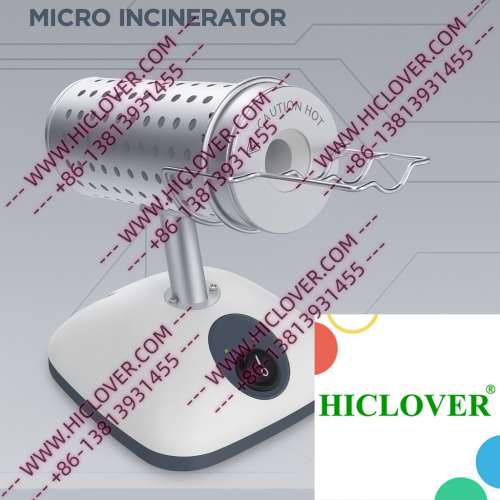
The Micro Incinerator employs cutting-edge infrared technology to achieve rapid thermal sterilization. Unlike conventional flame sterilizers, which can produce aerosols and pose fire hazards, this device uses an enclosed ceramic heating chamber that allows for high-temperature disinfection without the risk of an open flame. The infrared heating element provides instantaneous heat—ideal for quick sterilization cycles, allowing researchers to minimize downtime and maintain productivity.
Key features of the Micro Incinerator include:
- Rapid Heat-Up Time: Achieves optimal temperatures in seconds, facilitating continuous workflow in high-demand environments.
- Safety Features: Enclosed design mitigates aerosol production and reduces the risk of burns or fire-related incidents.
- Energy Efficiency: Infrared heating is more energy-efficient than traditional flame methods, resulting in lower operational costs.
- Low Maintenance: Requires less frequent servicing, ensuring longevity and reliability.
Application Scenarios in Real Labs
To illustrate the versatility and effectiveness of the Micro Incinerator, we can explore two distinct laboratory environments:
Biosafety Cabinets
In microbiology labs with BSL-2 and BSL-3 classifications, biosafety cabinets are essential in providing a sterile and safe workspace for handling pathogenic organisms. The Micro Incinerator can be conveniently situated within these cabinets, allowing researchers to quickly sterilize inoculating loops without risking contamination or aerosol generation. This ensures that the integrity of the sample is maintained and safety protocols are adhered to.
Educational Environments
Teaching labs in universities across regions such as California and Germany frequently address the need for efficient sterilization in microbiology courses. The compact design and user-friendly interface of the Micro Incinerator make it an ideal choice for these contexts. Students can safely learn techniques without the hazards associated with traditional flame burning methods, enhancing their educational experience while maintaining compliance with institutional safety guidelines.
Compliance and Environmental Standards
Adhering to international biosafety standards is crucial for laboratories, especially when dealing with infectious agents. The World Health Organization (WHO) and other regulatory bodies emphasize that sterilization equipment should minimize the risk of exposure while ensuring effective disinfection. The Micro Incinerator is designed in compliance with various laboratory sterilization standards, providing a flame-free solution that aligns with cleanroom regulations when utilizing CO₂ incubators or anaerobic chambers.
Additionally, with an increasing focus on sustainability, the energy-efficient design of the Micro Incinerator contributes to reduced environmental impact, aligning with global efforts for greener lab practices.
Comparison: Micro Incinerator vs. Traditional Flame Sterilizers
| Feature | Micro Incinerator | Flame Sterilizers |
|---|---|---|
| Heat source | Infrared | Open Flame |
| Risk of Aerosols | No | Yes |
| Energy Efficiency | High | Moderate |
| Maintenance | Low | High |
| Temperature Control | Precise | Variable |
FAQs
What are the main advantages of using a Micro Incinerator over a traditional Bunsen burner?
The Micro Incinerator offers enhanced safety, rapid heat-up times, energy efficiency, and reduced maintenance needs compared to traditional Bunsen burners, making it a superior choice for modern laboratories.
Is the Micro Incinerator suitable for all laboratory environments?
Yes, it is designed for use in various settings, including BSL-2 and BSL-3 labs, educational institutions, and field testing scenarios, making it a versatile sterilization solution.
How quickly can I expect a Micro Incinerator to reach sterilization temperature?
Most Micro Incinerators reach required sterilization temperatures within seconds, significantly improving laboratory efficiency.
Can the Micro Incinerator be used in cleanrooms?
Absolutely. Its flame-free operation aligns with cleanroom protocols and offers a safe sterilization alternative in environments where contamination must be strictly controlled.
How do I maintain a Micro Incinerator?
Maintenance is minimal; regular cleaning of the ceramic tube and periodic checks of the electrical components are recommended to ensure optimal performance.
Conclusion
In an increasingly complex landscape of laboratory safety and efficiency, the Micro Incinerator / Infrared Inoculating Loop Sterilizer stands out as a pioneering solution. By reducing risks associated with traditional flame sterilizers while enhancing sterilization capabilities, it meets modern laboratory workflow demands. If you’re ready to elevate your laboratory’s sterilization practices, consider investing in a Micro Incinerator—contact us today for more information and purchasing options!
Categories:
Tags: