
In the ever-evolving landscape of laboratory biosafety, the ability to effectively sterilize equipment is paramount. Hospitals and research facilities face increasing demands for contamination control while maintaining efficiency and safety during sterilization workflows. Traditional flame sterilizers, such as alcohol lamps and Bunsen burners, have been staples in laboratories for years; however, the emergence of more advanced solutions like the Micro Incinerator or Infrared Inoculating Loop Sterilizer offers significant advantages.
Understanding the Technical Principles of Infrared Sterilization
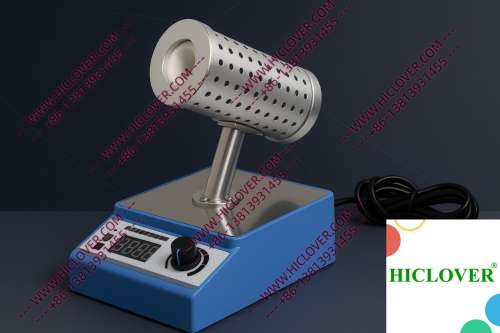
The Micro Incinerator utilizes advanced infrared heating technology to facilitate rapid thermal sterilization. Enclosed within a robust ceramic heating chamber, the sterilizer generates high temperatures that ensure effective disinfection of inoculating loops, needles, and other lab apparatus. The infrared heat lingers on surfaces, effectively eradicating pathogens while adhering to biosafety standards.
- Efficient Time Management: The rapid heating capability leads to shorter sterilization cycles, allowing laboratory technicians to focus on other critical tasks.
- Safety Benefits: Unlike open flames, the Micro Incinerator eliminates the risk of flammable aerosols, making it a clean-bench-safe option.
Applications in Real-Life Laboratory Settings
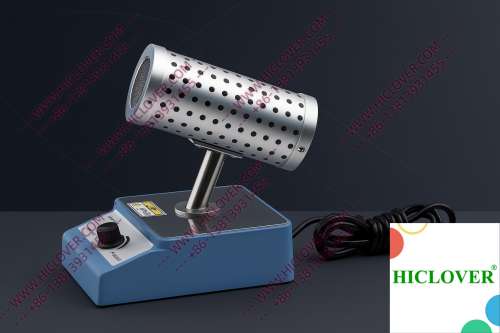
Implementing infrared sterilization systems can drastically enhance the functionality of several laboratory environments. Here are two key application scenarios:
1. Biosafety Cabinet Protocols
In BSL-2 and BSL-3 microbiology labs, where work with pathogenic organisms is routine, the Micro Incinerator plays a crucial role in maintaining a sterile environment. Following sample inoculation, lab personnel can quickly pass their tools through the Infrared Inoculating Loop Sterilizer to quickly eliminate any potential contamination before beginning the next experiment.
2. University Teaching Labs
In educational settings, ensuring the safety and efficiency of microbiology practices is essential. The Micro Incinerator allows students to learn proper sterilization techniques without the risks associated with flame heaters. Its ease of use and maintenance simplifies the teaching process while ensuring students adhere to strict laboratory protocols.
Compliance and Environmental Considerations
Ensuring compliance with global biosafety standards is non-negotiable in laboratory operations. For example, institutions must adhere to the World Health Organization (WHO) regulations concerning the sterilization of laboratory equipment. In clean rooms and controlled environments, the absence of open flames is critical for preventing contamination and ensuring operational safety.
Using the Micro Incinerator aligns with these standards, as it not only meets but often exceeds sterilization benchmarks set out by regulatory bodies. Furthermore, its environmentally friendly design reduces the reliance on chemical agents, creating a safer workspace for both laboratory personnel and the surrounding ecosystem.
Micro Incinerator vs. Traditional Flame Sterilizers
| Feature | Micro Incinerator | Traditional Flame Sterilizers |
|---|---|---|
| Heat Source | Infrared | Open Flame (Bunsen burners, alcohol lamps) |
| Safety | Clean-bench-safe | Risk of fire and contamination |
| Ease of Use | Instant and simple operation | Requires skill and attention to prevent accidents |
| Cleaning | Minimal maintenance required | Frequent residue removal |
| Operational Efficiency | Rapid cycles | Time-consuming |
Frequently Asked Questions
- 1. How long does the sterilization process take with the Micro Incinerator?
- The sterilization cycle lasts only a few seconds, significantly reducing the time required compared to traditional methods.
- 2. Can the Micro Incinerator be used in BSL-3 labs?
- Yes, the Micro Incinerator meets all necessary biosafety standards, making it suitable for use in BSL-3 laboratories.
- 3. How does the infrared technology differ from traditional flame sterilization?
- Infrared sterilization involves no open flame, which minimizes contamination risk and provides clean, rapid thermal disinfection.
- 4. Is the Micro Incinerator safe for use in teaching labs?
- Absolutely! Its design focuses on user safety while teaching students about sterilization without the risks associated with flame devices.
- 5. What maintenance is required for the Micro Incinerator?
- Minimal maintenance is needed; regular checks and occasional cleaning of the ceramic chamber are recommended for optimal performance.
Conclusion
As laboratory sterilization demands grow and compliance regulations become ever more stringent, investing in advanced sterilization technology like the Micro Incinerator is essential. Its efficient, safe, and compliant design not only optimizes workflow but also creates a secure environment for laboratory staff and patients alike. Seek to upgrade your laboratory’s sterilization methods—contact us today to learn more about integrating the Micro Incinerator into your workflow!
Categories:
Tags: