
In laboratory environments, particularly in microbiology labs meeting BSL-2 and BSL-3 standards, ensuring biosafety is a top priority. Laboratories face unique challenges when it comes to sterilization workflows. Contamination control is crucial for reliable experiment outcomes, making efficient and effective sterilization methods not just a choice but a necessity. In the quest for optimal solutions, innovations in laboratory sterilization equipment—especially the Micro Incinerator and Infrared Inoculating Loop Sterilizer—have emerged at the forefront.
Understanding the Technical Principles
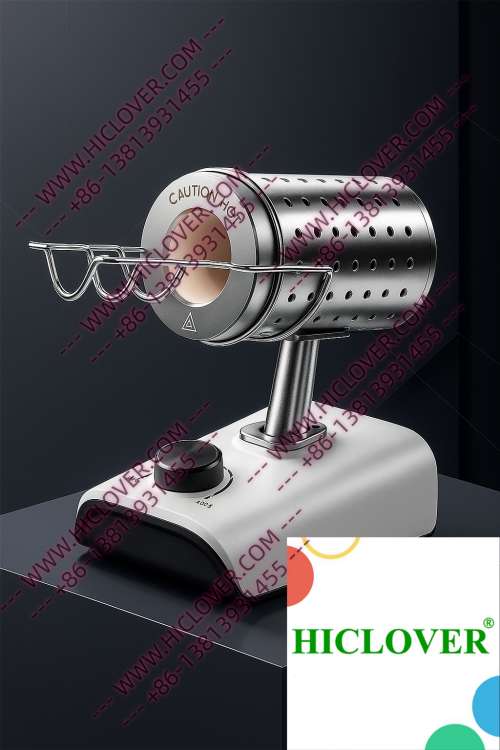
The Micro Incinerator uses the principle of infrared heat to achieve rapid thermal sterilization. This innovative device operates through a ceramic heating chamber, within which temperatures can soar beyond 800°C in merely seconds. Unlike traditional flame-based methods, which can be unpredictable and hazardous, the infrared inoculating loop sterilizer enables precise temperature control and uniform heating, thereby facilitating comprehensive sterilization while minimizing risk.
The enclosed design of the ceramic tube not only enhances safety by protecting users from open flames but also prevents contamination through aerosolization, which is a significant risk with alcohol lamps and Bunsen burners. As laboratory environments move towards protocols that prioritize contamination control, infrared sterilization equipment is quickly gaining traction as a clean-bench-safe alternative.
Applications in Practical Laboratory Settings
Exploring the real-world applications of the Micro Incinerator demonstrates its versatility and effectiveness across various laboratory settings:
1. Biosafety Cabinets
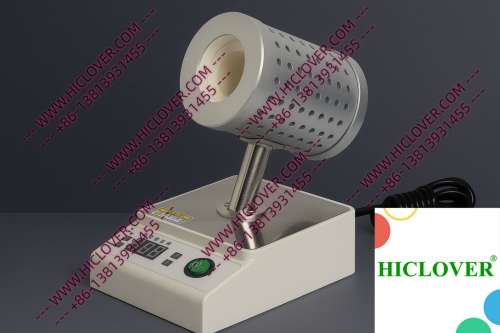
In BSL-2 and BSL-3 labs, the use of biosafety cabinets is essential for protecting both the lab technician and the experiment integrity. Here, the Micro Incinerator can be seamlessly integrated into the workflow. When decontaminating inoculating loops and other tools, users can sterilize equipment without introducing open flames into the cabinet, significantly enhancing safety and compliance with WHO biosafety protocols.
2. Field Testing Scenarios
In mobile or field testing labs, where access to traditional sterilization methods may be limited, the compact and portable design of the infrared inoculating loop sterilizer offers a robust solution. For field researchers working with sensitive samples or pathogens, rapid and reliable sterilization ensures that experiments remain uncontaminated, supporting accurate field diagnostics even in challenging environments.
Compliance and Environmental Considerations
Adhering to regulatory standards is paramount in laboratory operations worldwide. The Micro Incinerator not only meets but often exceeds numerous sterilization standards set forth by organizations like the World Health Organization (WHO). Its design eliminates the risks associated with open flames, making it an ideal choice for maintaining aseptic conditions in clean rooms. Adopting flame-free sterilization methods also aligns with modern laboratory practices that prefer reduced environmental impact and enhanced personnel safety.
Comparison of Micro Incinerator vs. Traditional Flame Burners
| Feature | Micro Incinerator | Flame Burners |
|---|---|---|
| Temperature Control | Precise, rapid heating above 800°C | Variable, reliant on user skill |
| Safety | No open flame, enclosed system | Risk of burns, flame instability |
| Contamination Risk | Minimal aerosolization | High due to flame interactions |
| Operational Environment | Clean bench safe | Not suitable for clean rooms |
FAQs About Micro Incinerators
- What are the advantages of using a Micro Incinerator over traditional sterilisers?
Micro Incinerators provide precise temperature control, enhanced safety without open flames, and minimized contamination risks, making them ideal for sensitive laboratory environments. - Are Micro Incinerators compliant with WHO biosafety standards?
Yes, they surpass several sterilization standards mandated by international health organizations, allowing for safe usage in BSL-2 and BSL-3 labs. - Can a Micro Incinerator be used in a field laboratory setting?
Absolutely! Its compact design allows for mobile applications, making it perfect for field testing where traditional sterilization methods may not be feasible. - How does the sterilization time compare to other methods?
Micro Incinerators can sterilize inoculating loops in just a few seconds, significantly reducing downtime in laboratory workflows. - Is maintenance required for Micro Incinerator use?
Regular inspection of the ceramic heating chamber and ensuring it is free from residue is advised for optimal performance.
Conclusion
In conclusion, the shift towards innovative sterilization methods like the Micro Incinerator and Infrared Inoculating Loop Sterilizer is reshaping the future of laboratory sterilization workflows. With proven efficiency in enhancing biosafety, reducing contamination risks, and adhering to stringent standards, these devices represent a significant upgrade over traditional flame sterilizers. For labs focused on safety, efficacy, and compliance, exploring procurement options or establishing partnerships with reliable laboratory supply distributors is a step worth considering. For more information on our industry-grade Micro Incinerators, please contact us today!
Categories:
Tags: