
In the continual quest for biosafety in laboratories, managing biological waste remains a significant challenge. The need for effective sterilization equipment is paramount, particularly when it comes to handling certain biohazardous materials. Researchers, educators, and clinicians alike are under pressure to minimize cross-contamination risks while enhancing operational efficiency. Enter the Micro Incinerator, a groundbreaking solution in laboratory sterilization technology that meets these specific demands.
Understanding the Micro Incinerator: The Technical Principles
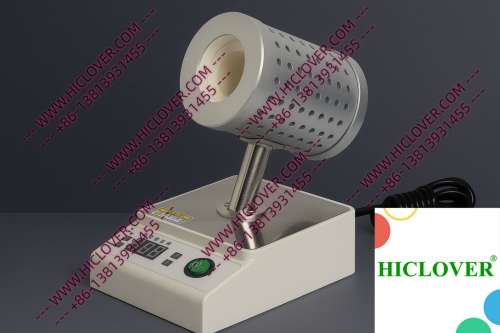
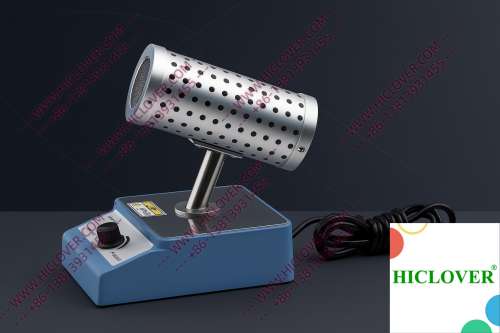
The Micro Incinerator, or Infrared Inoculating Loop Sterilizer, utilizes advanced infrared heating technology to achieve rapid thermal sterilization. At its core, this device consists of an enclosed ceramic heating chamber that transforms electrical energy into cleaner, efficient heat. Unlike conventional flame sterilizers, this setup guarantees an aerosol-free environment, drastically reducing the risk of airborne contamination and improving user safety.
Key features of the Micro Incinerator include:
- Rapid Sterilization: Infrared heat achieves effective disinfection in seconds, reducing laboratory downtime.
- Temperature Control: Precise thermal management ensures materials are sterilized effectively without overheating.
- Ease of Use: Designed for intuitive operation, facilitating seamless integration into various laboratory workflows.
- Low Maintenance: With no open flames or complex setups, maintenance and cleaning are minimal.
Application Scenarios in Real Laboratories
Biosafety Cabinets
In BSL-2 and BSL-3 microbiology labs, strict sterilization protocols govern the handling of pathogenic materials. The Micro Incinerator is ideally suited for use within biosafety cabinets. Its infrared technology ensures effective sterilization while minimizing the risk of flame-related incidents that could jeopardize sample integrity and laboratory safety. Researchers can confidently use inoculating loops to transfer cultures without fear of contamination, promoting a secure environment for sensitive experiments.
Mobile and Field Testing Labs
Field-testing laboratories, particularly those involved in clinical diagnostics, face unique sterilization challenges. The portability of the Micro Incinerator makes it a favored choice in these settings. For instance, health professionals working in rural areas can rely on its lightweight, compact design to safely sterilize equipment on-site, ensuring compliance with WHO biosafety standards. Consequently, the Micro Incinerator empowers field workers to safely handle potentially hazardous materials without the need for extensive bulky equipment.
Compliance and Environmental Considerations
Laboratory sterilization practices are heavily governed by guidelines from organizations like the World Health Organization (WHO) and relevant governmental health authorities. Employing sterilization devices that meet these compliance standards is crucial for maintaining laboratory accreditation and ensuring safe working conditions. The Micro Incinerator not only adheres to these strict biosafety regulations, but it also supports cleaner operations.
Traditional flame-based sterilizers, such as Bunsen burners or alcohol lamps, pose significant risks, especially in cleanroom environments where contamination must be strictly controlled. The absence of flames in the Micro Incinerator aids in maintaining clean-bench-safe conditions, crucial for laboratories dedicated to high-stakes research or clinical diagnostics.
A Comparison of Sterilization Methods
Micro Incinerator vs. Flamest-based Burners
| Feature | Micro Incinerator | Flame Burners |
|---|---|---|
| Flame Type | Infrared / No flame | Open flame |
| Contamination Risk | Minimal / Aerosol-free | High (due to combustion byproducts) |
| Heating Mechanism | Ceramic heating chamber | Combustion of gas |
| Safety in Cleanrooms | Safe for sterile zones | Prohibited in sterile environments |
| Ease of Use | Straightforward controls | Complex management of flame |
Frequently Asked Questions
1. What materials can the Micro Incinerator sterilize?
The Micro Incinerator is effective for sterilizing inoculating loops, needles, and other small laboratory tools that require high-temperature disinfection.
2. Is the Micro Incinerator safe for use in cleanrooms?
Yes, the Micro Incinerator is designed to be flame-free, making it an ideal choice for maintaining sterility in cleanroom environments.
3. How fast can I achieve sterilization with this device?
The Micro Incinerator can achieve effective sterilization within seconds, significantly reducing workflow interruptions.
4. Is there a risk of burns when using the Micro Incinerator?
While the device operates at high temperatures, it is equipped with safety features to minimize the risk of burns, unlike open flame sterilizers.
5. Can the Micro Incinerator be used in field testing environments?
Absolutely! Its lightweight and portable design make it ideal for mobile labs and field testing applications.
Conclusion
The Micro Incinerator / Infrared Inoculating Loop Sterilizer represents a significant advancement in laboratory sterilization technology, providing a safe, effective, and compliant means of handling biohazardous materials. For laboratories looking to enhance their biosafety practices, this device offers the perfect blend of reliability and rapid thermal sterilization capabilities. Don’t let outdated flame sterilization methods hinder your laboratory’s efficiency and safety; consider upgrading to the cutting-edge Micro Incinerator today and elevate your laboratory standards.
For inquiries and purchases, feel free to contact us. We are committed to supporting your laboratory needs with high-quality sterilization solutions.
Categories:
Tags: