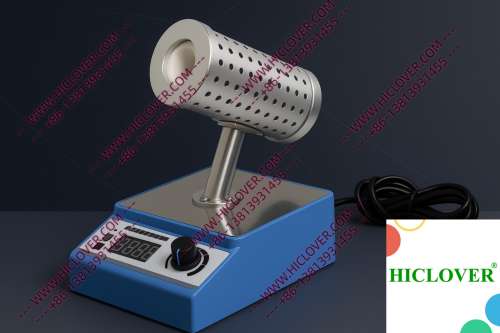
In today’s fast-paced laboratory environment, sterilization workflows demand not only efficiency but also adherence to strict biosafety standards. Professionals working in clinical diagnostics, BSL-2 and BSL-3 microbiology labs, and teaching laboratories face the ongoing challenge of contamination control while ensuring a safe working atmosphere. Traditional methods of sterilization, such as alcohol lamps and Bunsen burners, are rapidly becoming outdated due to safety concerns, inefficiencies, and regulatory pressures. This has paved the way for the increasing adoption of advanced sterilization technologies, particularly laboratory micro incinerators.
Understanding Micro Incinerators: The Technical Principles
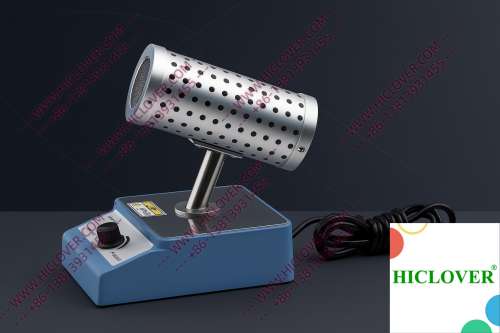
Micro incinerators, specifically infrared inoculating loop sterilizers, utilize the principles of infrared heat to achieve rapid thermal sterilization. The device features an enclosed ceramic heating chamber that ensures high temperatures are quickly reached and maintained, providing a reliable method for sterilizing inoculating loops and other small laboratory tools.
Key advantages of micro incinerators include:
- Enhanced biosafety: The closed design significantly reduces the risk of aerosol contamination.
- Rapid heating: Infrared technology can achieve sterilization temperatures within seconds.
- Energy-efficient: Lower power consumption compared to traditional methods.
- Reduced chemical use: No need for alcohol or other flammable agents.
- What is a micro incinerator?
A micro incinerator is a laboratory sterilization device that uses infrared technology to quickly and effectively sterilize inoculating loops and other small tools. - How does a micro incinerator differ from a traditional Bunsen burner?
Micro incinerators utilize enclosed ceramic heating technology, reducing aerosol contamination risks and improving safety compared to the open flame of Bunsen burners. - Are micro incinerators suitable for educational labs?
Yes, they are perfect for teaching laboratories as they provide a safe and efficient method for students to learn sterilization techniques. - What are the compliance standards for laboratory sterilization?
Micro incinerators comply with WHO biosafety standards and other laboratory sterilization regulations, ensuring safety in laboratory environments. - Can micro incinerators be used in field testing?
Yes, their portable design makes them suitable for mobile or field testing labs where reliable sterilization is necessary.
Applications in Real Laboratories
Micro incinerators find their applications across various laboratory settings, showcasing their versatility and efficiency.
1. Usage in BSL-2 and BSL-3 Laboratories
In biosafety level 2 and 3 labs, where pathogenic organisms are handled, strict sterilization protocols are critical. Micro incinerators are ideal for sterilizing tools such as inoculating loops quickly and without the risk of generating aerosols. This contributes to a safer working environment and assists in compliance with WHO biosafety standards.
2. Teaching Laboratories
In educational institutions, where students are learning the importance of sterilization techniques, micro incinerators serve as a practical tool. Their ease of use allows students to focus on mastering sterile techniques without the distractions and hazards associated with flame-based sterilizers. Additionally, with reduced fire risk, instructors can maintain a safer classroom atmosphere.
Compliance and Environmental Impact
As laboratories strive to meet compliance with safety regulations and minimize their environmental footprint, micro incinerators emerge as a sustainable alternative to traditional sterilization methods. In clinical diagnostics and research facilities, adherence to sterile environments is essential.
By avoiding open flames, micro incinerators enhance safety within clean rooms and biosafety cabinets. They also comply with laboratory sterilization standards by providing a consistent and effective sterilization process. Implementing these devices can thus ensure that laboratories not only maintain compliance with safety regulations but also contribute to responsible waste management practices.
Comparison Table: Micro Incinerator vs. Traditional Flame Burners
| Feature | Micro Incinerator | Traditional Flame Burner |
|---|---|---|
| Heating Method | Infrared | Open Flame |
| Risk of Aerosols | Minimal | High |
| Heating Time | Seconds | Typically longer |
| Energy Efficiency | High | Lower |
| Safety | Safer (enclosed design) | Less Safe (fire hazard) |
Frequently Asked Questions
Conclusion
Laboratories across the USA are facing an era of change as they embrace the capabilities of micro incinerators to streamline their sterilization processes while ensuring compliance and safety. The transition to infrared inoculating loop sterilizers not only meets the stringent biosafety requirements but also enhances the overall efficiency of laboratory operations. If you’re looking to upgrade your sterilization equipment, consider exploring the benefits of micro incinerators as your next essential laboratory investment. Contact us today for more information on how to incorporate this cutting-edge solution into your laboratory workflow.
Categories:
Tags: