
Laboratory safety is paramount, especially in environments where biological samples are handled or disposed of. The challenges associated with biosafety are amplified in settings such as BSL-2 and BSL-3 microbiology laboratories, where even minor lapses can lead to serious contamination risks. Traditional methods for achieving sterilization, such as alcohol lamps and Bunsen burners, present their own set of challenges, including open flames, hazardous fumes, and complexities in operational workflows. This is where flameless ceramic heating sterilizers, particularly Micro Incinerators or Infrared Inoculating Loop Sterilizers, come into play.
Technical Principles of Flameless Ceramic Heating Sterilizers
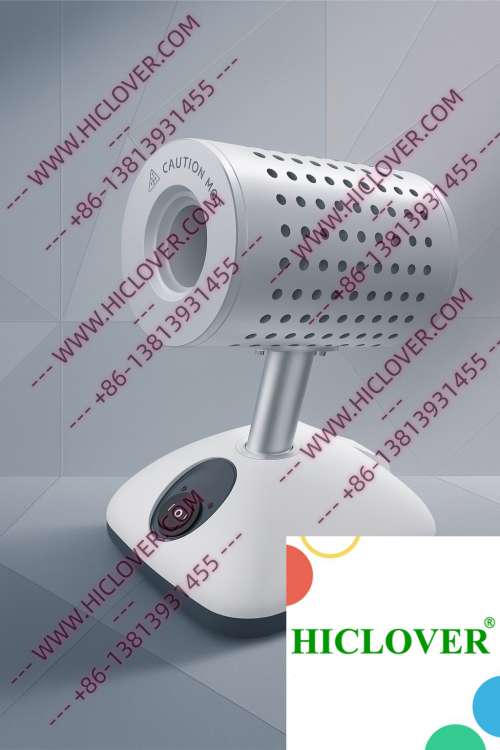
The Micro Incinerator operates on the principle of infrared high-temperature disinfection, utilizing a contained ceramic heating chamber that reaches rapid thermal sterilization temperatures. This innovative design eliminates the need for open flames, ensuring a safer environment for lab technicians and researchers alike. The enclosed ceramic tube focuses heat directly on the inoculating loop or other tools, rendering them sterile within seconds, effectively destroying contaminants at a microscopic level.
This technology is not only efficient but also eco-friendly. By reducing the need for traditional sterile techniques involving combustibles, the environmental impact associated with flame-based sterilization methods is significantly lessened. The reduced carbon footprint, combined with energy efficiency, positions flameless ceramic heating sterilizers as an ideal solution for modern laboratories.
Applications in Real Laboratory Scenarios
Biosafety Cabinet Settings
In many university teaching labs and clinical diagnostics environments, the use of biosafety cabinets is essential for maintaining sterile conditions. The compact design of Micro Incinerators allows them to be seamlessly integrated into these workspaces. Without the risk associated with an open flame, laboratory staff can safely sterilize inoculating loops or other tools within a biosafety cabinet, maintaining the integrity of the sterile environment. This capability significantly enhances workflow efficiency while upholding high biosafety standards.
Field Testing Labs
Field testing labs often face unique challenges, particularly when it comes to sterilization in remote locations. Mobile Micro Incinerators provide an eco-friendly and flame-free solution. Research teams can carry these units into the field, ensuring that equipment remains sterile without the need for bulky flame-based systems. This portability, coupled with the reliability of the infrared sterilization process, makes them perfect for outdoor experiments, environmental sampling, and other field applications.
Compliance and Environmental Considerations
Adhering to biosafety regulations established by organizations like the World Health Organization (WHO) is crucial for any laboratory. These guidelines emphasize the importance of adhering to sterilization standards to prevent cross-contamination and ensure a safe working environment. The use of sterilizers without open flames aligns with the stringent requirements of clean room operations, where fire hazards must be meticulously controlled. Flameless ceramic heating technology supports these initiatives by offering a safe and effective method for sterilization, an essential requirement in many laboratory settings, including clinical applications and teaching laboratories in urban centers.
- High-temperature disinfection
- Aerosol-free operation
- Reduced risk of contamination
Micro Incinerator vs. Traditional Flame Sterilizers
| Feature | Micro Incinerator | Flame Sterilizers |
|---|---|---|
| Heating Method | Infrared | Open Flame |
| Safety | Flame-free | Potential fire hazard |
| Speed | Rapid | Varies (depends on flame size) |
| Portability | High | Medium |
| Environmental Impact | Eco-friendly | Higher carbon emissions |
FAQs
What is a Micro Incinerator, and how does it work?
A Micro Incinerator is a flameless sterilization device that uses infrared heat for rapid thermal sterilization of laboratory tools, eliminating the risk of contamination.
Can a Micro Incinerator be used in outdoor or field conditions?
Yes, the portability and efficiency of the Micro Incinerator make it ideal for field testing labs, providing reliable sterilization in various environments.
How does the Micro Incinerator comply with safety regulations?
The Micro Incinerator functions without open flames, adhering to biosafety standards set by organizations like WHO, thereby ensuring a safe working environment.
What are the environmental benefits of using Flameless Ceramic Heating Sterilizers?
These sterilizers reduce carbon emissions, eliminate volatile fumes from combustion, and promote sustainable sterilization practices, supporting eco-friendly laboratory operations.
How quickly can I achieve sterilization with a Micro Incinerator?
The Micro Incinerator can reach sterilization temperatures in seconds, allowing for efficient workflow while ensuring equipment remains sterile.
Conclusion
Flameless Ceramic Heating Sterilizers represent a significant advancement in laboratory sterilization technology. The Micro Incinerator’s integration of infrared heating, environmental benefits, and safety compliance makes it a revolutionary tool in various laboratory settings. Whether you’re working in a BSL-2 microbiology lab, a teaching facility, or conducting field research, the advantages of adopting such eco-friendly solutions cannot be overstated. For more information on enhancing your laboratory sterilization workflow, contact us today to explore our offerings!
Categories:
Tags: