
As laboratories strive to enhance biosafety and sterilization workflows, many are faced with the limits of traditional sterilization methods such as alcohol lamps and Bunsen burners. These flame-based approaches can pose significant risks from fire hazards and aerosol generation, particularly in sensitive environments like BSL-2 and BSL-3 microbiology labs. Consequently, innovative solutions like the Micro Incinerator or Infrared Inoculating Loop Sterilizer are gaining traction, revolutionizing sterilization protocols.
Understanding the Micro Incinerator Technology
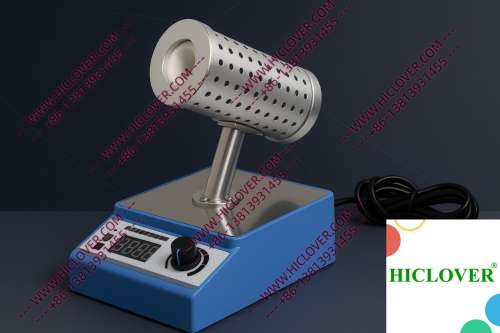
The Micro Incinerator utilizes the principles of infrared heat to achieve rapid thermal sterilization. This device operates through an enclosed ceramic heating chamber that efficiently emits high-temperature infrared radiation. Unlike flame-based systems, which can introduce contaminants and aerosols, the Micro Incinerator provides an aerosol-free handling environment. Additionally, its design allows for consistent heat generation, essential for effective disinfection and contamination control.
Applications in Laboratory Settings
Let’s explore some scenarios where Micro Incinerators can significantly improve sterilization processes:
1. Biosafety Cabinets
In high-containment labs, biosafety cabinets are crucial for maintaining a sterile environment. The integration of the Micro Incinerator within these cabinets enables sterile handling of inoculating loops and tools without the risks associated with flames. The compact design allows researchers to manipulate samples safely, minimizing the chance of contamination.
2. Field Testing Labs
Field testing scenarios, especially in remote locations, demand portable and reliable sterilization methods. The lightweight, electric operation of the Micro Incinerator allows for rapid sterilization of equipment and tools in the field, eliminating the need for fuel sources or complicated setups. Its capability for quick heat-up time facilitates immediate processing in variable laboratory environments.
Compliance and Environmental Considerations
Adhering to biosafety compliance standards is paramount for laboratories aiming to maintain high hygiene levels. The World Health Organization (WHO) outlines stringent biosafety guidelines that dictate the sterilization protocols in research environments. Traditional flame sterilizers are often contraindicated in clean rooms due to their potential for ignition and smoke. In contrast, the Micro Incinerator aligns with laboratory sterilization standards and is safe for use in clean-bench setups.
- No open flame risk in clean environments
- Efficient sterilization without smoke or chemicals
- Meets BSL-2 and BSL-3 safety requirements
Comparison: Micro Incinerator vs. Flame Burners
| Feature | Micro Incinerator | Flame Burners (e.g., Alcohol Lamps) |
|---|---|---|
| Heat Source | Infrared | Open Flame |
| Safety | Aerosol-free, no fire hazard | Potential fire risks, aerosol generation |
| Portability | Portable, lightweight | Requires fuel management |
| Consistency | Uniform heating | Variable flame temperatures |
| Environmental Impact | Minimal; electric operation | Gas emissions from fuel combustions |
Frequently Asked Questions (FAQs)
What is a Micro Incinerator?
A Micro Incinerator is a sterilization device that uses infrared heat for the rapid thermal sterilization of inoculating loops and other lab equipment without the risks associated with open flames.
How does it compare to traditional alcohol lamps?
Unlike alcohol lamps, the Micro Incinerator offers aerosol-free operation, reduced fire hazards, and consistent high-temperature disinfection without introducing contaminants into the environment.
Can it be used in all laboratory types?
Yes, this device is adaptable for various laboratory needs, including BSL-2 and BSL-3 labs, teaching facilities, and field testing environments, ensuring a safe and efficient sterilization workflow.
Is the Micro Incinerator environmentally friendly?
The Micro Incinerator operates on electricity, which minimizes environmental impact compared to traditional sterilizers that may produce harmful emissions from combustion.
How quickly does it achieve sterilization?
The Micro Incinerator heats up rapidly, allowing for immediate use, and achieves sterilization in seconds, making it ideal for high-efficiency lab environments.
Conclusion
As laboratories prioritize safety and efficiency, transitioning from traditional flame sterilizers to advanced Micro Incinerators is a forward-thinking solution. Not only do these devices ensure compliance with global biosafety standards, but they also significantly enhance laboratory sterilization workflows through rapid thermal sterilization and reduced contamination risk. Interested in upgrading your sterilization equipment? Contact us today to explore our range of Micro Incinerators designed to meet modern laboratory needs.
Categories:
Tags: