
In the realm of laboratory biosafety and sterile technique, the demand for efficient and eco-friendly sterilization solutions has never been more critical. Traditional flame-based sterilizers, such as Bunsen burners and alcohol lamps, pose range of challenges, including safety hazards, contamination risks, and environmental concerns. In contrast, modern devices like the Micro Incinerator, particularly the Infrared Inoculating Loop Sterilizer, present an innovative alternative that aligns with today’s sustainability goals while meeting stringent laboratory requirements.
Understanding the Micro Incinerator’s Technology
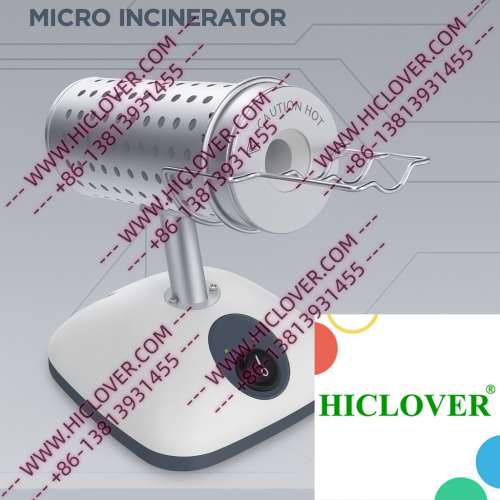
The core innovation of the Micro Incinerator lies in its use of infrared heat for rapid thermal sterilization. Unlike traditional flame sterilizers that rely on open flames, this device utilizes an enclosed ceramic heating chamber that reaches high temperatures in a matter of seconds. The infrared radiation effectively eliminates microbial contaminants without the risk of producing aerosols or flames, making it ideal for use in clean work environments.
The Micro Incinerator ensures precise temperature control, offering a sterile environment that minimizes the chance of contamination during sensitive laboratory processes. Its compact design allows for easy integration into various lab environments, ranging from BSL-2 and BSL-3 microbiology labs to university teaching laboratories.
Applications of the Micro Incinerator in Laboratories
Let’s explore specific scenarios where the Micro Incinerator demonstrates its effectiveness in laboratory settings:
- Biosafety Cabinets: In biosafety cabinets, where maintaining a sterile environment is paramount, the Micro Incinerator serves as an essential tool for the rapid sterilization of inoculating loops and other surfaces. The lack of open flames significantly enhances safety, allowing lab technicians to focus on their work without the distraction of fire hazards.
- Field Testing: In mobile laboratory settings, such as field testing locations, the portability of the Micro Incinerator becomes invaluable. It allows researchers to perform sterilization on-site, mitigating contamination risks in environments where traditional sterilization methods may not be feasible.
- Teaching Labs: In university teaching labs, instructors can utilize the Micro Incinerator to demonstrate proper sterilization techniques without the risks associated with flame-based methods. This enhances the learning experience while reinforcing safety protocols among students.
Compliance and Environmental Considerations
Adhering to biosafety standards is critical for laboratories. Organizations such as the World Health Organization (WHO) provide guidelines for laboratory practices, emphasizing the need for safety and efficiency in sterilization methods. The Micro Incinerator aligns with these compliance standards due to its clean-bench-safe operation, which significantly reduces the release of contaminants into the environment.
Furthermore, the Micro Incinerator’s design directly addresses several compliance issues associated with traditional flame sterilizers, such as:
- No open flames or exposed heating elements, making it suitable for use in clean rooms and sterile environments.
- Reduction of aerosol formation, which is essential for preventing the spread of pathogens, especially in BSL-2 and BSL-3 labs.
- Lower energy consumption compared to traditional methods, promoting eco-friendliness and contributing to the reduction of the laboratory’s overall carbon footprint.
Comparing the Micro Incinerator and Traditional Flame Sterilizers
The following comparison highlights the advantages of the Micro Incinerator over traditional flame sterilizers:
| Feature | Micro Incinerator | Flame Sterilizers |
|---|---|---|
| Heating Method | Infrared heat | Open flame |
| Contamination Risk | Low, aerosol-free | High, risk of aerosol generation |
| Energy Efficiency | High | Lower, more energy-intensive |
| Portability | High | Moderate to low |
| Operational Safety | Very safe | Fire hazards |
FAQs About the Micro Incinerator
Below are some frequently asked questions regarding the Micro Incinerator and its applications:
- What is the maximum temperature the Micro Incinerator can reach? The Micro Incinerator can reach temperatures of up to 800°C, allowing for rapid thermal sterilization.
- Can the Micro Incinerator be used in all laboratory environments? Yes, it is designed for use in BSL-2 and BSL-3 labs, as well as teaching facilities and field applications.
- How does infrared sterilization compare to traditional methods? Infrared sterilization offers enhanced safety and efficiency, reduces contamination, and eliminates risks associated with open flames.
- What maintenance is required for the Micro Incinerator? Minimal maintenance is needed; regular cleaning of the ceramic tube is advisable for optimal performance.
- Is the Micro Incinerator energy-efficient? Yes, it features energy-efficient technology, helping to reduce overall energy consumption in laboratories.
Conclusion
As laboratories continue to demand safer, more environmentally friendly sterilization methods, the Micro Incinerator stands out as a leading solution. Its effective use of infrared technology not only enhances workflow efficiency but also aligns with global biosafety standards. By adopting this modern sterilization tool, laboratories can significantly reduce their carbon footprint while ensuring a sterile working environment.
If you’re interested in upgrading your laboratory sterilization equipment, contact us today to learn more about how the Micro Incinerator can fit your needs. Together, let’s make strides towards sustainable laboratory practices!
Categories:
Tags: