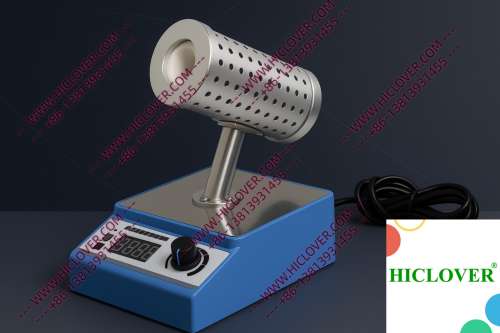
In today’s fast-paced laboratory environment, ensuring biosafety while maintaining efficient sterilization workflow is paramount. Laboratories, especially those categorized as BSL-2 and BSL-3, face numerous biosafety challenges, including the need for effective contamination control and the swift disposal of biohazardous materials. Traditional methods like alcohol lamps or Bunsen burners, while effective, present dangers such as flame spread and aerosol emissions. Here, we explore how digital micro incinerators, particularly the Infrared Inoculating Loop Sterilizer, offer advanced solutions for sterilization equipment in various laboratory settings.
Understanding the Technical Principles of Micro Incinerators
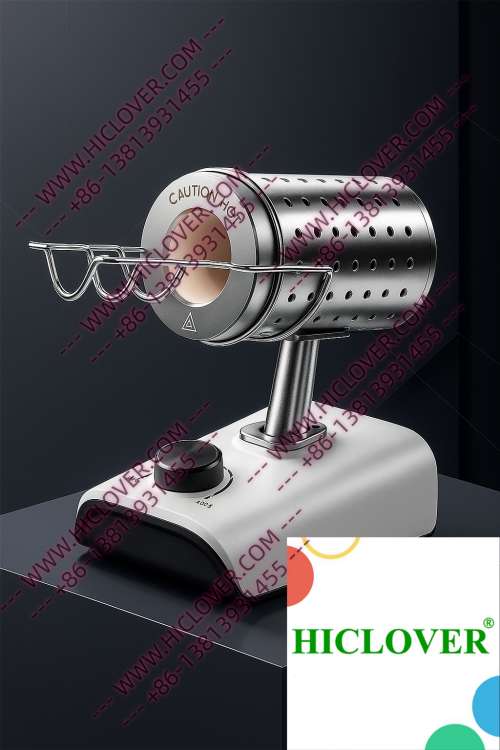
The Micro Incinerator utilizes infrared heating technology to achieve rapid thermal sterilization. This device comprises a sealed ceramic heating chamber that provides high-temperature disinfection without exposing the user to harmful aerosols or flames. The enclosed design allows for more precise control over temperature, ensuring that sterilization is not only effective but also safe. When the infrared heat is directed toward inoculating loops, pipette tips, or other laboratory instruments, it rapidly sterilizes the surfaces, eliminating contaminants that include bacteria and viruses.
Design Features That Enhance Safety and Performance
- Compact Size: The Micro Incinerator’s design is space-efficient, making it ideal for small laboratory environments or mobile and field-testing labs.
- User-Friendly Interface: Designed with simplicity in mind, the control panel allows for easy temperature adjustments and operation monitoring.
- Aerosol-Free Operation: Unlike flame-based methods, the micro incinerator minimizes aerosol generation, thereby enhancing safety in clean rooms and biosafety cabinets.
- What is a micro incinerator and how does it work? A micro incinerator is a sterilization device that uses infrared heat to eliminate pathogens from laboratory instruments quickly and safely.
- What are the main benefits of using a micro incinerator over traditional sterilizers? Benefits include reduced risk of aerosol generation, precise temperature control, and enhanced safety due to the absence of an open flame.
- In which types of laboratories can I use a micro incinerator? Micro incinerators are ideal for BSL-2 and BSL-3 microbiology labs, university teaching labs, and even mobile testing environments.
- Are micro incinerators compliant with international safety standards? Yes, they adhere to WHO guidelines and other international sterilization protocols.
- How do I maintain a micro incinerator? Regular cleaning and inspection of the ceramic chamber and electrical components ensure optimal performance and longevity.
Applications: Real-World Scenarios Where Micro Incinerators Excel
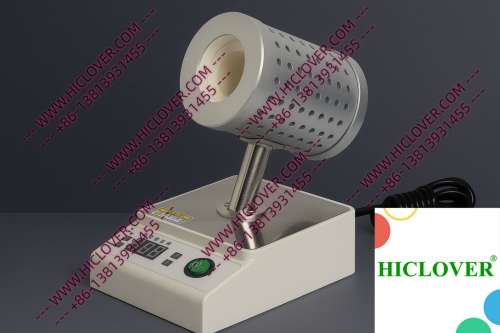
1. Biosafety Cabinets: In BSL-2 and BSL-3 microbiology labs, the micro incinerator functions as an essential component within biosafety cabinets. It provides a safe means to sterilize instruments without the risks associated with open flames, thus maintaining the sterile environment crucial for sensitive microbiological work.
2. University Teaching Labs: Educators can incorporate the micro incinerator into laboratory teaching environments. Students can learn proper sterilization techniques while using a safe, effective tool that illustrates modern sterilization technology. The lack of flame reduces the worry of accidental burns or fires, allowing for a focus on learning and technique.
Compliance and Environmental Considerations
As laboratories work to comply with stringent biosafety standards set by organizations like WHO, the use of advanced sterilization equipment becomes increasingly essential. Traditional methods of sterilization often fail to meet the safety requirements for clean rooms, where the presence of an open flame is a critical hazard. The Micro Incinerator stands out by adhering to international lab sterilization standards, mitigating risks associated with open flames, and providing an environmentally responsible method for waste disposal.
Comparison: Micro Incinerator vs. Traditional Flame Sterilizers
| Feature | Micro Incinerator | Flame Sterilizers |
|---|---|---|
| Safety | Aerosol-free, no open flame | Open flame produces aerosols |
| Temperature Control | Precise infrared control | Variable, less control |
| Efficiency | Rapid sterilization | Slower process |
| Space Requirement | Compact design | Requires more workspace |
FAQs about Micro Incinerators
Conclusion: Investing in Future-Ready Sterilization Solutions
The shift toward high-tech waste disposal and sterilization methods is not just a trend but a necessary evolution in laboratory operations. By adopting the Micro Incinerator, laboratories can significantly enhance their safety protocols, streamline workflow processes, and comply with the latest biosafety standards. Whether for teaching purposes, field tests, or clinical diagnostics, the advantages of utilizing this cutting-edge equipment are clear. As you consider upgrading your laboratory sterilization equipment, reach out to us for more information or to request a quote for our advanced micro incinerators.
Categories:
Tags: