
In the rapidly advancing realm of laboratory research, maintaining biosafety is paramount. Laboratories—including BSL-2 and BSL-3 facilities—face significant challenges related to contamination control and sterile technique implementation. Ensuring that all inoculating tools and lab equipment are free from pathogens is crucial for accurate results and the safety of personnel. In this context, microscale sterilization methods have emerged as critical tools, with the Micro Incinerator or Infrared Inoculating Loop Sterilizer leading the charge in modern sterilization solutions.
Laboratory Sterilization Equipment: A New Frontier
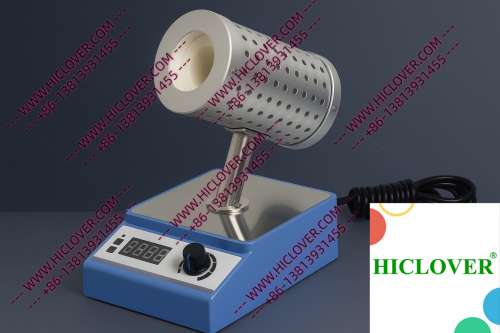
The Micro Incinerator operates on a design that employs an enclosed ceramic heating chamber, utilizing infrared heat to achieve rapid thermal sterilization. This sophisticated method offers high-temperature disinfection within seconds, drastically reducing waiting times compared to traditional flame sterilizers such as alcohol lamps or Bunsen burners. Unlike flame-based systems, which produce aerosols and present fire hazards, infrared sterilizers ensure clean-bench-safe operation—making them particularly suited for sensitive lab environments and clean rooms.
Applications in Real Laboratories
The versatility of the Micro Incinerator makes it invaluable in various laboratory settings:
- Biosafety Cabinets: In BSL-2 and BSL-3 microbiology labs, the Micro Incinerator is an essential tool. Researchers benefit from an enclosed sterilization process that minimizes contamination risk while transacting with potentially infectious materials.
- Field Testing Labs: In mobile laboratory setups, where space and safety are constant concerns, the compact design of the Infrared Inoculating Loop Sterilizer delivers efficient and effective tool sterilization on-site, without compromising efficacy.
- Rapid turnaround term for sterilization minimizes workflow disruptions.
- Aerosol-free handling maintains safer workflow conditions for laboratory technicians.
- Enhanced control over sterilization parameters fosters reproducibility and reliability in research outcomes.
- Compact design eases integration into teaching labs and field settings.
- What is the sterilization speed of a Micro Incinerator? The Micro Incinerator sterilizes inoculating loops in mere seconds, making it a significant time-saver in laboratory settings.
- How does the infrared sterilization process work? Infrared sterilizers utilize high-temperature ceramic chambers to emit infrared heat, rapidly destroying microbial life without open flames.
- Can I use a Micro Incinerator in a BSL-2 lab? Yes, the Micro Incinerator is perfect for use in BSL-2 and BSL-3 labs as it adheres to biosafety standards while minimizing contamination risks.
- Is it safe to use in clean rooms? Absolutely! The enclosed design and infrared technology substantially reduce the risk of contamination in clean environments.
- What are the maintenance requirements for the Micro Incinerator? Regular cleaning and disinfection of the external body are necessary to maintain its performance and comply with lab cleanliness standards.
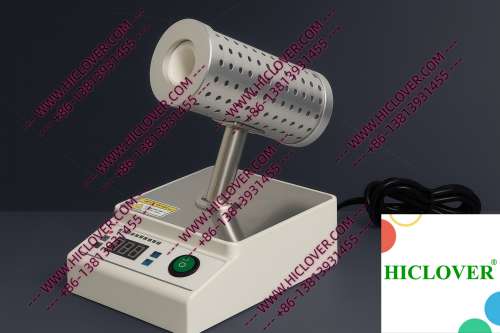
Comparison: Micro Incinerator vs. Traditional Flame Sterilizers
| Feature | Micro Incinerator | Traditional Flame Sterilizers |
|---|---|---|
| Speed of Sterilization | Seconds | Minutes |
| Contamination Risk | Low | High (aerosol production) |
| Safety in Clean Environments | Yes | No |
| Heating Mechanism | Infrared | Open Flame |
| Ease of Use | Simple, Single Button Operation | Requires flame management |
Compliance and Environmental Considerations
Awareness of laboratory biocontainment standards is essential for safe operations. Organizations like the World Health Organization (WHO) have established guidelines for biosafety practices. Compliance with these regulations often requires the use of sterile instruments in various laboratory contexts, especially when handling pathogens. Unlike traditional flame sterilizers, the Micro Incinerator supports safe practices in clean rooms, as its enclosed heating chamber eliminates the risk of igniting combustible materials or creating hazardous aerosols. Additionally, standards set by the National Institutes of Health (NIH) dictate the importance of using sterility methods that do not compromise the integrity of the laboratory environment, making the use of infrared tools critical.
Benefits of Infrared Sterilization
Adopting Infrared Inoculating Loop Sterilizers brings a multitude of advantages over conventional methods:
Frequently Asked Questions
Conclusion: Embrace the Future of Sterilization
Considering the numerous biosafety challenges labs face today, transitioning to an Infrared Inoculating Loop Sterilizer, like the Micro Incinerator, is a step towards enhanced operational efficiency and safety. By utilizing advanced sterilization technology, laboratories can not only improve their workflow but also align with rigorous compliance standards. For laboratories looking to innovate, select a cleaner, more effective sterilization solution. Contact us today for further information or to explore our available products!
Categories:
Tags: