
Laboratory environments, especially in BSL-2 and BSL-3 microbiology labs, face significant biosafety challenges that demand effective sterilization solutions. The necessity for stringent sterilization protocols is compounded by increasing waste from biological testing. Addressing these demands, the Micro Incinerator—a compact, infrared inoculating loop sterilizer—efficiently mitigates contamination risks while streamlining sterilization workflows. In this article, we’ll explore the functionality and applications of this vital sterilization equipment, as well as its compliance with health regulations.
Understanding the Micro Incinerator: Technical Principles
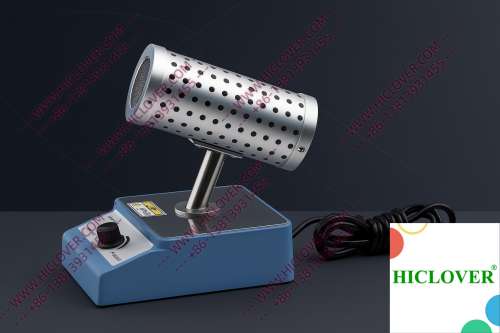
The Micro Incinerator utilizes infrared heat generated by high-temperature ceramic heating elements. Its design features an enclosed ceramic tube which allows for rapid thermal sterilization while minimizing the formation of potentially hazardous aerosols. Unlike traditional flame sterilizers, such as alcohol lamps and Bunsen burners, the Micro Incinerator provides a clean, flame-free process, making it ideal for use in clean rooms and biosafety cabinets.
Key technical features include:
- Rapid Thermal Sterilization: Achieves effective sterilization within seconds.
- Enclosed Design: Prevents contamination and is safe for use in sterile environments.
- Aerosol-Free Operation: Reduces risk of airborne infections.
- No open flame reduces fire hazards.
- Complies with WHO biosafety guidelines.
- Conforms to ISO standards for laboratory sterilization equipment.
Applications of Micro Incinerators in Real Labs
Micro Incinerators are versatile sterilization tools utilized in various laboratory environments. Below are two primary application scenarios demonstrating their effectiveness:
1. Biosafety Cabinets
In BSL-2 and BSL-3 labs, biosafety cabinets play a crucial role in contamination control. The use of a Micro Incinerator within these enclosures allows researchers to sterilize inoculating loops without exposing themselves to hazardous pathogens. The quick sterilization process significantly reduces the risk of cross-contamination between samples and enhances overall laboratory safety.
2. University Teaching Labs
In educational settings, where students must learn proper handling techniques of microbial samples, the Micro Incinerator provides a user-friendly solution. Its compact size allows easy integration into teaching modules, ensuring that students can efficiently sterilize tools while adhering to biosafety standards.
Compliance and Environmental Considerations
Utilizing Micro Incinerators helps laboratories comply with various sterilization standards set by international bodies, including the WHO. The absence of an open flame allows these units to be used safely in clean rooms, reducing the risk of fire hazards that traditional flame sterilizers pose. Moreover, they comply with laboratory waste management regulations aimed at minimizing environmental impact.
Key Compliance Benefits:
Comparison: Micro Incinerator vs. Traditional Flame Burners
| Feature | Micro Incinerator | Flame Burners |
|---|---|---|
| Operating Principle | Infrared high-temperature disinfection | Combustion of gas or alcohol |
| Safety | Flame-free; aerosol-free handling | Open flame; risk of flames and aerosols |
| Speed of Sterilization | Seconds | Varies; generally longer |
| Environmental Impact | Minimal waste; efficient waste management | More emissions; potential waste issues |
FAQs: Understanding Micro Incinerators
What is a Micro Incinerator used for?
A Micro Incinerator is used for rapid thermal sterilization of inoculating loops and other small laboratory instruments, particularly in biosafety settings.
How does the Micro Incinerator maintain safety compliance?
Its enclosed design and absence of flames allow for safe operation within cleanrooms while adhering to WHO guidelines and laboratory sterilization standards.
Is a Micro Incinerator suitable for teaching labs?
Absolutely! The Micro Incinerator is ideal for educational settings, providing students with a safe and efficient means to learn sterilization techniques.
What distinguishes Micro Incinerators from traditional sterilizers?
Micro Incinerators utilize infrared heat for quick and effective sterilization without the use of open flames, significantly enhancing safety and efficiency.
Can Micro Incinerators be used in field testing environments?
Yes, given their portable design and efficient sterilization capabilities, Micro Incinerators can be effectively used in mobile lab setups and field testing operations.
Conclusion
As laboratories increasingly prioritize safety and efficacy in waste management processes, the Micro Incinerator stands out as an invaluable tool for sterilization. By providing rapid thermal sterilization in a safe and compliant manner, it empowers laboratories—be it in clinical diagnostics, university teaching labs, or field testing environments—to enhance their practices. If you’re interested in improving your sterilization procedures while adhering to rigorous biosafety standards, consider reaching out for more information about procuring a Micro Incinerator today!
Categories:
Tags: