
In modern laboratories, controlling microbial contamination is paramount for ensuring reliable research outcomes. The challenges of laboratory biosafety, including the efficient sterilization of inoculating tools without contributing to airborne contamination, necessitate innovative solutions. Traditional flame sterilizers, such as alcohol lamps and Bunsen burners, may potentially introduce additional hazards and inconsistencies, making the need for advanced sterilization equipment vital. Enter the Micro Incinerator, also known as the Infrared Inoculating Loop Sterilizer, a technology designed to meet current laboratory workflow demands with superior efficacy.
The Technical Principles Behind the Micro Incinerator
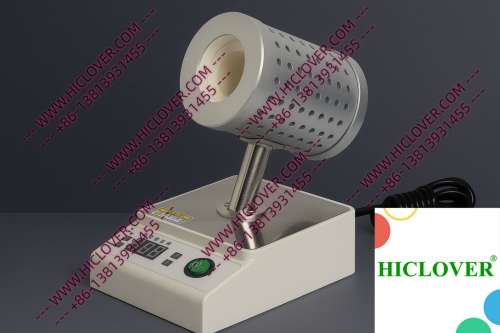
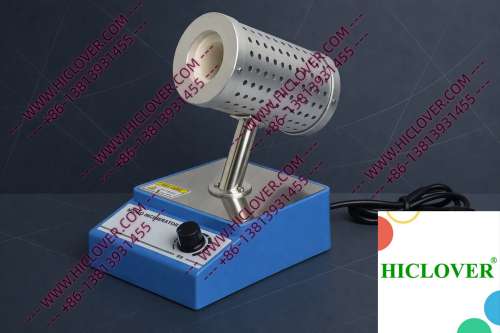
The Micro Incinerator operates on the principles of rapid thermal sterilization using infrared heating. Unlike flame-based sterilizers, it utilizes an enclosed ceramic heating chamber that emits concentrated infrared radiation, generating temperatures that exceed 800°C. This high level of heat effectively destroys microbiological contaminants quickly and efficiently. The device typically comes with an ergonomic design featuring a heat-resistant handle and a compact footprint, making it suitable for various lab environments, including BSL-2 and BSL-3 facilities.
- High Efficiency: Offers rapid sterilization within seconds.
- Aerosol-Free Handling: Reduces risks associated with contamination from aerosols.
- Increased Safety: Eliminates the use of open flames, making it ideal for clean rooms.
- Energy Saving: Consumes less energy compared to traditional methods.
- What is the maximum temperature of a Micro Incinerator?
It can reach temperatures exceeding 800°C in a matter of seconds, providing efficient sterilization. - Can a Micro Incinerator be used in BSL-3 labs?
Yes, because of its flame-free operation and efficacy in sterilization, it is suitable for BSL-3 laboratories. - How long does it take to sterilize an inoculating loop?
The sterilization process takes just a few seconds, allowing for a streamlined workflow. - Is it portable for field use?
Yes, the Micro Incinerator is designed to be compact and lightweight, making it ideal for mobile labs. - What safety features does it have?
It includes a heat-resistant handle and a closed heating chamber to eliminate fire risks and enhance user safety.
Application Scenarios in Real Labs
The Micro Incinerator finds versatile applications across various laboratory settings:
1. Biosafety Cabinets
In BSL-2 laboratories, researchers frequently utilize biosafety cabinets to protect both the specimens and personnel from harmful exposure. The Micro Incinerator serves as an ideal companion for sterilizing inoculating loops, needles, and other instruments without the risk of producing flames or fumes. Its rapid sterilization capability allows researchers to maintain a smooth workflow while ensuring compliance with biosafety protocols.
2. Mobile Field Testing Labs
In field-testing scenarios, where mobility and reliability are paramount, the Micro Incinerator proves invaluable. Researchers operating in remote areas can ensure contamination control while performing critical diagnostics. Without access to traditional flame sources, the Infrared Inoculating Loop Sterilizer offers a lightweight and efficient alternative, making it easier for personnel to comply with health and safety requirements.
Compliance and Environmental Considerations
Complying with international biosafety standards is non-negotiable for any research facility. The World Health Organization (WHO) outlines several guidelines for biosafety that emphasize the use of safe sterilization practices to prevent contamination and outbreaks.
Traditional flame sterilizers pose risks, including the potential for accidents and inadequate sterilization in controlled environments such as clean rooms and CO₂ incubators. The Micro Incinerator is flame-free, making it compliant with these stringent standards, thus enhancing workplace safety and preventing any accidental ignition of flammable substances.
Comparative Analysis: Micro Incinerator vs. Traditional Flame Sterilizers
| Feature | Micro Incinerator | Flame Sterilizers |
|---|---|---|
| Efficiency | Rapid, within seconds | Variable, often slower |
| Safety | Flame-free operation | Risk of burns and fire hazards |
| Contamination | Aerosol-free process | Potentially generates aerosols |
| Energy Consumption | Lower energy use | Higher energy use |
| Usability | Compact and portable | Bulky and requires more setup |
FAQs About the Micro Incinerator
Conclusion: Revolutionize Your Laboratory Workflow with Micro Incinerators
The transition from traditional flame sterilizers to innovative tools like the Micro Incinerator can significantly improve laboratory sterilization workflows. Given its efficiency, safety, and compliance with biosafety standards, it stands as a smart investment for laboratories across various sectors—from university teaching labs to clinical diagnostics. Interested in enhancing your laboratory’s sterilization protocols? Contact us today to explore our range of Micro Incinerator options.
Categories:
Tags: