
Laboratories around the world face numerous biosafety challenges, particularly when it comes to the sterilization of equipment and tools. Traditional sterilization methods, such as the use of alcohol lamps or Bunsen burners, can pose risks, including the potential for contamination, lack of portability, and inefficiencies in energy consumption. As research demands accelerate, a need has emerged for reliable and safe sterilization technologies, leading to the adoption of devices like the Micro Incinerator or Infrared Inoculating Loop Sterilizer. This article delves into how these advanced sterilizers address existing challenges while promoting energy efficiency.
Technical Principles of Efficient Sterilization
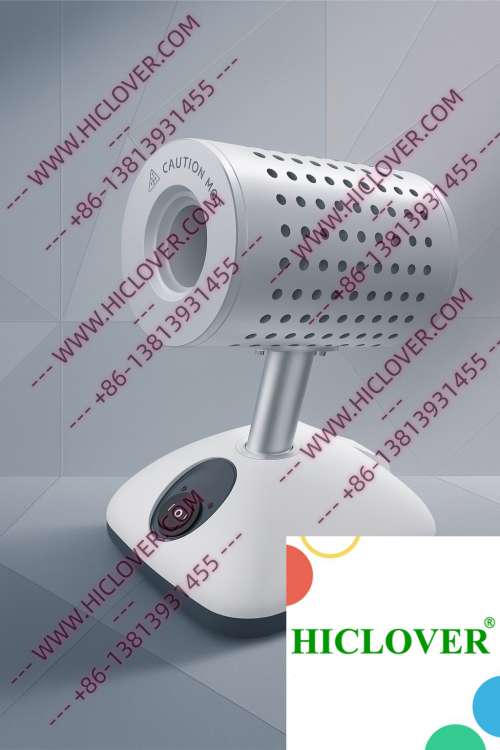
The Micro Incinerator operates on the principle of infrared heat, utilizing a ceramic heating chamber that reaches high temperatures in a short time. As laboratory personnel strive to maintain contamination control and ensure safety protocols, the enclosed design allows for rapid thermal sterilization without the open flames associated with traditional methods. This not only minimizes the risk of burns but also contributes to a cleaner working environment.
- Rapid Sterilization: The Micro Incinerator achieves temperatures exceeding 800°C, enabling quick disinfection of inoculating loops and other small instruments.
- Reduced Contamination: Unlike flame methods, which can produce aerosols and require additional clean-up, this technology ensures aerosol-free handling.
- Energy Efficiency: Infrared technology consumes less energy compared to burning fuels, leading to lower operational costs over time.
Application Scenarios in Real Laboratories
Prioritizing biosafety and operational efficiency, the Micro Incinerator finds its place in various laboratory settings. Below are two specific applications:
Biosafety Cabinet Use
In BSL-2 and BSL-3 microbiology labs, the Micro Incinerator serves as a reliable tool for sterilization under controlled conditions. Its compact size complements the requirements of a biosafety cabinet, where space maximization is critical. Lab technicians can sterilize their inoculating loops with peace of mind because the infrared heating eliminates the risk of open flames in volatile environments.
Field Testing Laboratories
Field testing often requires laboratories to operate under rugged conditions where traditional sterilization equipment may not be practical. The Micro Incinerator, due to its portable design, can be easily transported to field sites. This capability is essential for clinical diagnostics, environmental testing, and research in remote locations, allowing for effective sterilization without the complications associated with fuel-based burners.
Compliance and Environmental Standards
Adhering to regulatory requirements is crucial in laboratory settings. Instruments used in microbiological and diagnostics labs must comply with WHO biosafety standards and local sterilization regulations. These guidelines often prohibit the use of flame-based sterilizers in clean rooms and sterile environments due to the risk of contamination from combustion byproducts.
The Micro Incinerator meets these stringent compliance requirements by operating without open flames, ensuring both safety and cleanliness in sensitive environments. Laboratories can thus utilize it confidently during experiments involving hazardous microorganisms while ensuring adherence to the necessary sterilization standards.
Comparison: Micro Incinerator vs. Traditional Flame Sterilizers
| Feature | Micro Incinerator | Traditional Flame Sterilizers |
|---|---|---|
| Temperature Control | High precision with infrared heating | Dependent on operator skill |
| Energy Efficiency | Low energy consumption | Higher due to fuel consumption |
| Portability | Highly portable and compact | Less portable; requires fuel source |
| Contamination Risk | Aerosol-free handling | Potential aerosol contamination |
FAQs
What types of labs benefit from using the Micro Incinerator?
The Micro Incinerator is ideal for microbiology labs, clinical diagnostics, university teaching labs, and mobile field testing labs.
How does the Micro Incinerator achieve energy efficiency?
This sterilizer employs infrared heating which consumes significantly less energy compared to traditional flame-based methods.
Is the Micro Incinerator suitable for use in clean rooms?
Yes, its enclosed design prevents contamination and meets the standards required for clean room operations.
What materials can be sterilized using the Micro Incinerator?
It’s effective for sterilizing inoculating loops and other small metal instruments, essential for laboratory work.
How does this sterilizer enhance laboratory safety?
The absence of open flames reduces burn hazards and the risk of fire, contributing to a safer laboratory environment.
Conclusion
As laboratories increasingly prioritize both safety and energy efficiency, the Micro Incinerator / Infrared Inoculating Loop Sterilizer stands out as a revolutionary solution. Its compliance with biosafety protocols, coupled with its operational efficiencies, makes it an essential addition for any laboratory concerned with effective sterilization practices. If you are interested in upgrading your laboratory’s sterilization technology or have any inquiries, we encourage you to reach out for further details.
Categories:
Tags: