
In the ever-evolving landscape of laboratory biosafety, the demand for effective sterilization methods is paramount. Dental laboratories and research facilities face numerous biohazard challenges, particularly when it comes to sterilizing tools and materials. The advanced technology of Micro Incinerators or Infrared Inoculating Loop Sterilizers is a game-changer, providing rapid thermal sterilization without the hazards associated with traditional flame-based methods.
Understanding the Operating Principles of Micro Incinerators
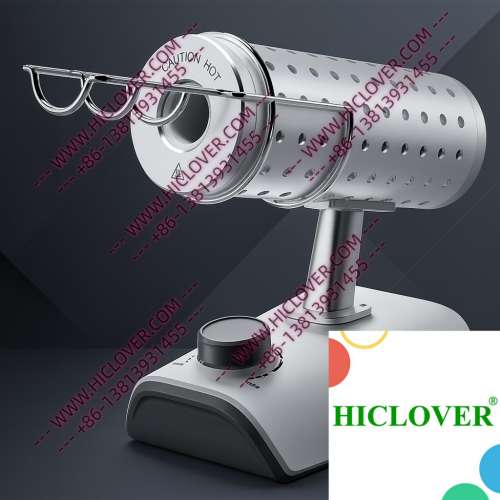
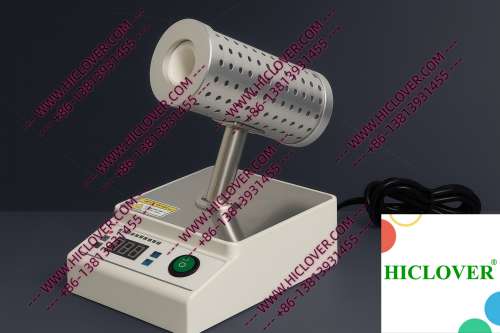
The Micro Incinerator operates on the principle of infrared heat, which allows for enclosed ceramic tube operation that reaches high temperatures efficiently. This modern design facilitates rapid thermal sterilization, making it ideal for quick disinfection of inoculating loops, needles, and other tools used in microbiological studies. The ceramic heating chamber of the Micro Incinerator ensures a uniform heat distribution that eliminates microbial contamination, thereby enabling clean-bench-safe protocols in sensitive environments.
Advantages Over Traditional Flame Sterilizers
- Minimized Contamination Risk: Unlike Bunsen burners or alcohol lamps, which can generate aerosols and introduce contaminants, Micro Incinerators eliminate airborne particulates, ensuring a safer workspace.
- Consistent Performance: Infrared technology provides a constant temperature, leading to predictable sterilization cycles.
- Ease of Use: The ergonomic design is user-friendly, reducing the risk of accidents in high-paced environments.
Application Scenarios in Real Labs
Micro Incinerators find their applications in various laboratory settings. Here are two illustrative scenarios:
1. University Teaching Labs
In university laboratories, where students learn microbiology techniques, the presence of a Micro Incinerator provides a safe and efficient means to teach sterilization practices. With strict adherence to WHO biosafety standards, educational institutions can integrate these sterilizers into their curricula, ensuring that future microbiologists are equipped with the knowledge of contemporary sterilization methods.
2. Clinical Diagnostics Laboratories
In clinical diagnostics, maintaining strict compliance with lab sterilization standards is crucial, especially in BSL-2 and BSL-3 environments. Utilizing a Micro Incinerator enables rapid sterilization of invasive tools, ensuring that diagnostic procedures are both efficient and sterile. The aerosol-free handling further enhances the safety of laboratory personnel during testing.
Compliance and Environmental Considerations
Adhering to compliance standards is vital in laboratory operations. The WHO biosafety guidelines emphasize that laboratories should minimize the risk of biological contamination while promoting safe handling practices. Micro Incinerators align with these directives by providing a no-flame alternative, which is particularly beneficial in cleanroom environments where traditional open flames may pose significant risks.
Additionally, standards set by organizations such as the CDC and ISO provide protocols that can be effectively met using Micro Incinerators, facilitating a smoother transition for labs moving towards enhanced safety measures.
Comparison Table: Micro Incinerator vs. Flame Burners
| Feature | Micro Incinerator | Flame Sterilizers |
|---|---|---|
| Ease of Use | High | Moderate with Safety Hazards |
| Contamination Control | Excellent | Risk of Aerosols |
| Heat Consistency | Uniform & Reliable | Variable |
| Compliance with Cleanroom Standards | Yes | No |
Frequently Asked Questions
1. How does a Micro Incinerator ensure effective sterilization?
Micro Incinerators utilize infrared heat within a ceramic tube, achieving high temperatures that effectively kill pathogens quickly.
2. Are there specific laboratory settings where Micro Incinerators are preferred?
Yes, they are particularly effective in BSL-2 and BSL-3 labs, university teaching labs, and clinical diagnostics environments.
3. Why is it important to avoid open flames in cleanroom applications?
Open flames can create particulates and aerosols, increasing contamination risks in sterile environments, which is effectively mitigated by using a Micro Incinerator.
4. How do Micro Incinerators improve workflow efficiency?
With their rapid sterilization capabilities and user-friendly design, they significantly reduce downtime and improve the overall efficiency of lab processes.
5. What maintenance is required for Micro Incinerators?
Regular cleaning of the ceramic heating chamber and ensuring proper calibration will optimize performance and longevity.
Conclusion
The advancements in sterilization technology, particularly through the use of Micro Incinerators, are instrumental in enhancing the safety and efficiency of laboratory operations. Adopting these modern sterilizers not only aligns with current biosafety standards but also provides laboratories with a clear advantage in contamination control, workflow efficiency, and employee safety.
To ensure your lab is equipped with the latest in sterilization technology, consider integrating a Micro Incinerator into your workflow. For inquiries or to purchase, please contact us!
Categories:
Tags: