
In the world of laboratory research, maintaining a sterile environment is paramount. As biosafety challenges evolve, so do the demands for effective sterilization workflows. Whether in BSL-2 or BSL-3 microbiology labs, clinical diagnostics, or university teaching labs, researchers and technicians constantly seek reliable sterilization methods. One effective solution is the Micro Incinerator or Infrared Inoculating Loop Sterilizer, renowned for its rapid thermal sterilization capabilities and contamination control.
The Technical Principle of Infrared Inoculating Loop Sterilizers
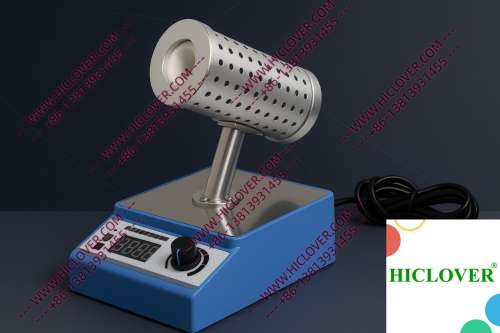
Infrared inoculating loop sterilizers employ cutting-edge technology that utilizes enclosed ceramic heating elements to achieve high-temperature disinfection. The principle is straightforward: infrared heat directly transfers energy to the inoculating loop, achieving sterilization in a matter of seconds, free from any flames that could disseminate aerosols, thus maintaining a clean-bench-safe environment.
The compact design and portability of these devices are further enhanced by their enclosed ceramic tube configuration, which minimizes energy loss and ensures a stable temperature. Compared to traditional methods, such as alcohol lamps and Bunsen burners, infrared sterilizers provide an efficient and safer alternative.
Applications in Real Laboratory Scenarios
Consider a university teaching lab, where students engage in practical microbiology experiments. Here, the rapid sterilization of inoculating loops between samples is crucial to prevent cross-contamination. Using a Micro Incinerator allows for quick sterilization, letting students focus more on their experiments rather than waiting on sterilization methods that consume time and airflow integrity.
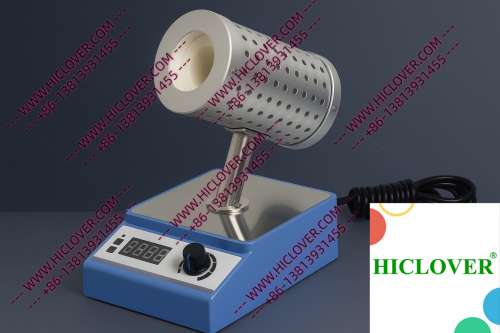
In a field testing scenario, mobile labs often face unique sterilization challenges. The compact nature of the infrared inoculating loop sterilizer allows for effective sterilization in varied environments, such as rural locations or isolated research outposts. This mobility does not compromise the rigorous sterilization standards required, making it indispensable for field researchers conducting studies in environmental microbiology.
Compliance with BIOSAFETY Standards
The World Health Organization (WHO) emphasizes the importance of establishing biosafety guidelines to mitigate risks posed by biological agents. Laboratories must comply with sterilization standards to ensure not only operational safety but also the well-being of laboratory personnel and the environment.
Using instruments like infrared inoculating loop sterilizers adheres to established regulations such as ISO 15190 and other laboratory sterilization standards. Unlike flame burners, which pose a significant risk in cleanrooms due to the potential creation of aerosols, infrared devices provide a flame-free operation and reduce the scattering of particulates, thus enhancing contamination control.
- Meets WHO biosafety guidelines
- Complies with ISO 15190 standards for laboratory safety
- Flame-free operation ensures aerosol-free handling
- Suitable for clean-bench-safe applications
- Minimized risk of chemical exposure
Comparison of Micro Incinerator vs. Traditional Flame Burners
| Feature | Micro Incinerator | Flame Burners |
|---|---|---|
| Thermal Efficiency | Rapid thermal sterilization | Slow heating time |
| Flame-Free Operation | Yes | Yes |
| Risk of Contamination | Low | Higher due to aerosols |
| Portability | Highly portable | Less portable |
| Ease of Use | Simple controls | Requires skill to manage |
FAQs about Infrared Inoculating Loop Sterilizers
What makes infrared inoculating loop sterilizers safer than traditional flame sterilizers?
Infrared sterilizers operate without a flame, significantly reducing the risk of aerosol contamination. They provide a controlled environment for sterilization, ensuring higher safety in cleanroom applications.
How quickly can a micro incinerator sterilize a loop?
Typically, a micro incinerator can achieve sterilization in 3-5 seconds, allowing researchers to maintain efficient workflows without sacrificing safety.
Are infrared sterilizers compliant with biosafety standards?
Yes, infrared inoculating loop sterilizers comply with WHO biosafety guidelines and ISO 15190 standards, ensuring they meet essential laboratory safety and sterilization requirements.
Can these devices be used in field testing environments?
Absolutely! The compact design of infrared inoculating loop sterilizers makes them ideal for deployment in remote field testing locations, where traditional methods may be impractical.
What are the key advantages of using a micro incinerator in a university lab?
In a university lab, micro incinerators facilitate rapid sterilization, enhance learning by minimizing downtime, and ensure a sterile environment, which is crucial for accurate experimental results.
Conclusion: Elevate Your Laboratory Sterilization Standards
In an era where laboratory safety and efficiency are paramount, the Micro Incinerator and Infrared Inoculating Loop Sterilizer emerge as essential tools in the pursuit of compliance and enhanced sterilization. Their innovative design significantly elevates biosafety standards and optimizes laboratory workflows.
For laboratory supply distributors, hospitals, universities, and research centers looking to enhance contamination control and maintain high sterilization standards, consider integrating infrared sterilization technology into your suite of laboratory equipment. Contact us today to learn how our solutions can fit your specific laboratory needs.
Categories:
Tags: