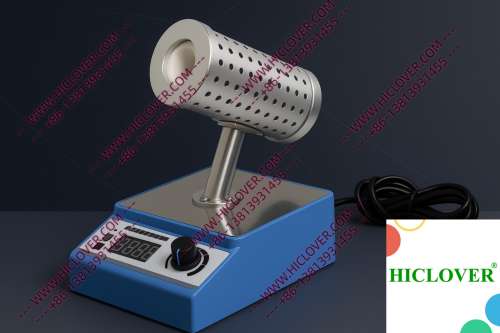
Laboratories face numerous biosafety challenges that affect their sterilization workflows. The effective and safe sterilization of lab equipment, such as inoculating loops and petri dishes, is crucial for preventing contamination. Traditional methods like alcohol lamps and Bunsen burners, while widely used, have notable drawbacks, including open flames and vapor release that can pose risks in sensitive environments. Micro incinerators, specifically the Micro Incinerator / Infrared Inoculating Loop Sterilizer, are redefining sterilization processes in Chile and beyond.
Technical Principles of Micro Incinerators
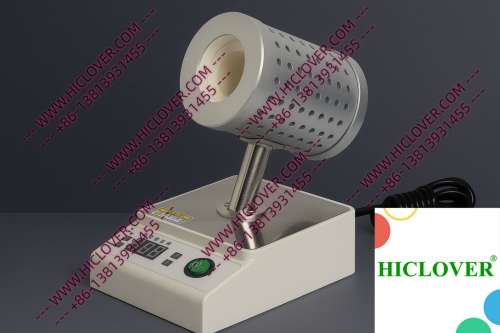
The Micro Incinerator operates on the principle of rapid thermal sterilization through infrared heating. This device features a ceramic heating chamber that delivers high-temperature disinfection while eliminating harmful aerosols typically generated by flame-based methods. Unlike traditional burners, the enclosed configuration enhances safety and efficiency, making it ideal for environments sensitive to airflow and contaminants.
Key Features of Micro Incinerators
- Rapid Sterilization: Reaches sterilization temperatures within seconds.
- Clean-Bench-Safe: Designed for use in biosafety cabinets and clean rooms.
- Energy Efficient: Consumes less energy compared to traditional flame sterilizers.
- Minimal Environmental Impact: No emissions or hazardous fumes.
- Compact Design: Space-saving and portable for field applications.
Application Scenarios in Real Labs
1. University Teaching Labs
In educational settings, such as university microbiology labs, the need for efficient and safe sterilization methods becomes paramount. Inoculating loops sterilized using a Micro Incinerator can ensure a contamination-free environment for students. The device provides an aerosol-free handling experience, crucial for maintaining a sterile workspace away from potential hazards associated with flames.
2. Clinical Diagnostics and BSL Labs
In BSL-2 and BSL-3 laboratories, where handling pathogenic microorganisms is routine, compliance with stringent biosafety regulations is critical. The Micro Incinerator aligns with international biosafety standards such as those set by WHO, ensuring that sterilization practices maintain the integrity of laboratory biosafety measures. The lack of open flames also minimizes risk in sensitive settings, facilitating safer workflows.
Compliance and Environmental Considerations
Regulatory compliance is a significant aspect of laboratory operations. Organizations must adhere to various biosafety guidelines, such as WHO biosafety practices which mandate stringent sterilization methods to prevent cross-contamination. The use of flame sterilizers poses significant risks, especially in clean rooms, where even minor perturbations can compromise experimental results. The Micro Incinerator addresses these concerns by offering a compliant, clean, and effective solution for sterilization without the hazards associated with traditional flame methods.
Comparison of Micro Incinerators vs. Traditional Flame Sterilizers
| Feature | Micro Incinerator | Flame Sterilizers |
|---|---|---|
| Temperature Control | Precise and Rapid | Variable |
| Aerosol Production | None | High |
| Energy Consumption | Low | High |
| Ease of Use | Simple One-Dial Operation | Requires Flame Handling |
| Safety | High | Moderate |
Frequently Asked Questions
1. What are the main benefits of using a Micro Incinerator for sterilization?
Micro Incinerators provide rapid thermal sterilization, are safe for clean-room environments, produce no hazardous emissions, and are more energy-efficient compared to traditional methods.
2. Can Micro Incinerators be used in field testing laboratories?
Yes, their compact design and portability make Micro Incinerators suitable for mobile and field testing labs, ensuring efficient sterilization even in remote locations.
3. How does the Micro Incinerator meet WHO biosafety standards?
The Micro Incinerator operates without open flames, reducing aerosol contamination risks, and adheres to rigorous sterilization protocols aligned with WHO guidelines.
4. What types of laboratory environments benefit from using these devices?
Micro Incinerators are ideal for university teaching labs, clinical diagnostics facilities, BSL-2 and BSL-3 labs, and any setting requiring safe and efficient sterilization.
5. Is training required to operate Micro Incinerators?
While the device is designed for ease of use, proper training on operational protocols is recommended to maximize safety and effectiveness in laboratory settings.
Conclusion
The adoption of Micro Incinerators, particularly the Micro Incinerator / Infrared Inoculating Loop Sterilizer, is a forward-thinking solution for addressing the sterilization challenges faced by laboratories in Chile. With their unparalleled safety, efficiency, and compliance with biosafety standards, these devices can significantly enhance laboratory workflows. For distributors, hospitals, universities, and research centers looking to upgrade their sterilization equipment, the Micro Incinerator represents a robust investment in both safety and performance. Don’t hesitate to reach out for more information or to place an order. Embrace the revolution in waste management and experience the benefits today!
Categories:
Tags: