
In the rapidly evolving landscape of laboratory biosafety, the challenges of effective waste management and sterilization processes are becoming increasingly apparent. Organizations across Saudi Arabia are seeking innovative solutions to address these demands, particularly in the realm of laboratory sterilization equipment. Among these solutions, the Micro Incinerator, also known as the Infrared Inoculating Loop Sterilizer, is gaining recognition for its efficiency and effectiveness in preventing contamination and ensuring a safe work environment.
The Technical Principle Behind Micro Incinerators
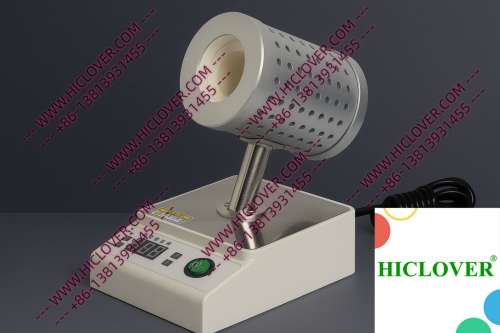
The Micro Incinerator operates on the principles of rapid thermal sterilization, employing advanced infrared technology to achieve high-temperature disinfection. Unlike traditional flame sterilizers, which utilize open flames and can pose safety hazards, the Micro Incinerator features an enclosed ceramic heating chamber that safely generates intense heat. This design minimizes aerosol generation and contaminant dispersal, making it particularly advantageous in controlled environments such as BSL-2 and BSL-3 laboratories.
With its infrared heating element, the Micro Incinerator can reach temperatures sufficient to ensure complete sterilization of inoculating loops, syringes, and other laboratory tools in a matter of seconds. This rapid processing time significantly enhances workflow efficiency while maintaining compliance with stringent biosafety standards.
Applications in Various Laboratory Settings
1. Biosafety Cabinets: In microbiology labs, the integration of Micro Incinerators within biosafety cabinets offers a superior method for managing sterilization practices. As technicians manipulate bacterial cultures or handle hazardous materials, the Micro Incinerator provides an effective method to decontaminate tools between uses while minimizing the risk of aerosolized contaminants.
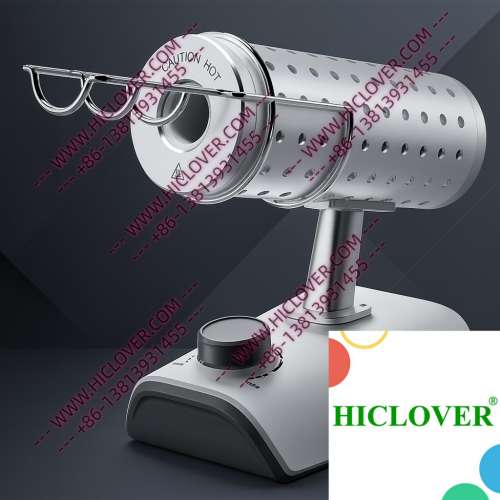
2. Teaching Labs: Universities across Saudi Arabia, such as King Saud University in Riyadh, are recognizing the need for modern sterilization techniques in educational settings. By utilizing Micro Incinerators in teaching labs, students learn the importance of maintaining sterile techniques without the hazards associated with flame sterilizers. Furthermore, these units can be easily incorporated into standard laboratory workflows, ensuring that all students can engage in contamination control practices effectively.
“The integration of Micro Incinerators in teaching labs not only enhances the learning experience but also instills a strong foundation of safe laboratory practices.” – Laboratory Safety Expert
Compliance with Safety Standards
One of the crucial elements of laboratory operations is ensuring compliance with international biosafety guidelines. The World Health Organization (WHO) recommends stringent guidelines for laboratory sterilization to mitigate risks associated with biological materials. Micro Incinerators align perfectly with these standards, boasting features that cater to contamination control without the inherent risks of flame-based equipment.
Furthermore, many modern laboratories, particularly those working in sensitive environments, have protocols that prohibit open flames in clean rooms to maintain air quality. The Micro Incinerator’s enclosed design allows it to function safely without compromising cleanliness, making it suitable for various applications ranging from clinical diagnostics to mobile field testing labs.
Micro Incinerator vs. Traditional Flame Sterilizers
| Feature | Micro Incinerator | Traditional Flame Sterilizers |
|---|---|---|
| Heat Source | Infrared | Open flame |
| Efficiency | Rapid | Slower |
| Contamination Risk | Minimal | Higher |
| Environment Impact | Cleaner | Potentially hazardous fumes |
| Ease of Use | Simple | Requires skill |
Features of the Micro Incinerator
- Rapid thermal sterilization for quick turnaround during laboratory operations.
- Enclosed ceramic tube design for enhanced safety and air quality.
- Low power consumption without compromising performance.
- Compact design suitable for various laboratory settings, including mobile labs.
- Minimal aerosol production, ensuring a contamination-free environment.
Frequently Asked Questions
What types of materials can be sterilized using a Micro Incinerator?
The Micro Incinerator is suitable for sterilizing inoculating loops, needles, syringes, and other small laboratory tools that require rapid disinfection.
How does the Micro Incinerator enhance laboratory safety?
By eliminating the open flame, the Micro Incinerator reduces the risk of fire hazards and minimizes the dispersion of aerosolized contaminants, preserving air quality within the laboratory.
Is the Micro Incinerator compliant with international sterilization standards?
Yes, it conforms to WHO biosafety recommendations and is designed to meet the rigorous sterilization requirements of laboratory and clinical environments.
Can the Micro Incinerator be used in mobile or field testing labs?
Absolutely! Its compact design and low power requirements make it an excellent choice for field operations where sterilization is critical.
What are the advantages of using the Micro Incinerator over traditional sterilizers?
The Micro Incinerator provides faster sterilization, reduces contamination risks, and promotes safer lab practices, particularly in BSL-2 and BSL-3 environments.
Conclusion
As Saudi Arabia continues to invest in advancing its laboratory infrastructure, the adoption of innovative technologies such as the Micro Incinerator is imperative. By providing rapid, effective, and compliant sterilization solutions, this equipment is not only enhancing laboratory safety but also reshaping the approach to waste management in scientific research. For laboratories seeking to maintain the highest standards of biosafety and efficiency, the Micro Incinerator represents a key investment. Contact us today to learn more about how our Micro Incinerators can enhance your laboratory operations.
Categories:
Tags: