
In modern laboratories, maintaining a sterile environment is critical for accurate results and to uphold safety standards. Traditional sterilization methods, particularly the use of alcohol lamps and Bunsen burners, come with considerable biosafety challenges. These methods involve open flames which can pose hazards in sensitive environments such as BSL-2 and BSL-3 labs or clinical diagnostics. Moreover, they can lead to contamination issues and are not suitable for cleanroom setups where even the smallest airborne contaminants could compromise the integrity of research.
Innovative Technology: The Micro Incinerator
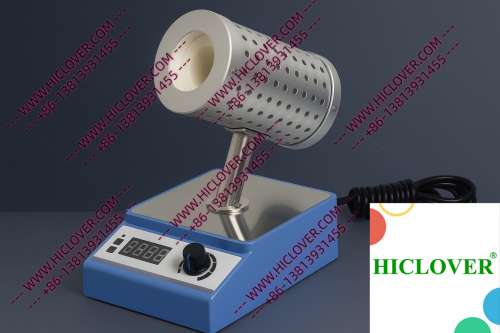
One solution tackling these challenges is the Micro Incinerator, particularly the Infrared Inoculating Loop Sterilizer. This advanced sterilization equipment utilizes infrared technology to achieve rapid thermal sterilization without the risk associated with open flames. Its enclosed ceramic tube design harnesses infrared heat to deliver high-temperature disinfection in a clean and efficient manner. Unlike traditional flame sterilizers, which require oxygen and may produce aerosols, the Micro Incinerator operates in a more controlled environment, minimizing contamination and safety risks.
Technical Principles of Operation
The Micro Incinerator functions through an infrared heating element that quickly elevates the temperature within an enclosed ceramic chamber, allowing for targeted sterilization without exposing the sample to external elements. This technology ensures that inoculating loops and tools reach temperatures necessary to eliminate pathogens and contaminants in seconds. Its clean-bench-safe design excels in both sterile environments and mobile applications, making it a versatile tool for a range of laboratory settings.
Real-World Applications
- Biosafety Cabinet: In BSL-2 labs, the Micro Incinerator is an excellent companion to biosafety cabinets. It enables sterile manipulation of cultures as researchers work within a contained environment, further boosting the efficacy of contamination control measures.
- Field Testing: For mobile testing labs, particularly in environmental monitoring or public health, portability and ease of use are paramount. The Micro Incinerator’s compact design allows technicians to perform in-situ sterilizations reliably and safely, ensuring that samples collected in the field are protected from contamination.
Compliance with Safety Standards
Laboratory sterilization is not just about safe practices; it also involves adherence to various regulatory frameworks. The World Health Organization (WHO) sets biosafety standards that laboratories must follow to prevent potential exposure to infectious agents. Use of traditional flame sterilizers can violate cleanroom practices where the prohibition of open flames is pivotal. Meanwhile, the Micro Incinerator meets these regulations, offering laboratories a viable tool that promotes compliance while enhancing workflow efficiency.
Furthermore, standards set by national health organizations emphasize the importance of utilizing equipment that minimizes contamination risks. Laboratories adopting infrared sterilizers in lieu of open flames can significantly reduce aerosol production, thereby enhancing personnel safety.
Advantages of the Micro Incinerator Over Traditional Flame Sterilizers
| Feature | Micro Incinerator | Flame Sterilizers |
|---|---|---|
| Open Flame Risk | No | Yes |
| Contamination Control | High | Moderate |
| Operating Environment | Cleanroom Compatible | Not Suitable |
| Heating Mechanism | Infrared | Combustion |
| Response Time | Seconds | Minutes |
FAQs About Micro Incinerators
- What is a Micro Incinerator?
This is an advanced sterilization device that uses infrared heating for rapid thermal sterilization of laboratory tools, increasing efficiency and safety. - How does an Infrared Inoculating Loop Sterilizer differ from traditional methods?
Unlike flame sterilizers, it eliminates the risks associated with open flames and provides a more controlled infection prevention process. - Where can I use the Micro Incinerator?
It is suitable for various settings, including BSL-2 laboratories, clinical diagnostics, and field testing labs. - Is the Micro Incinerator compliant with safety standards?
Yes, it adheres to the WHO biosafety regulations and other national lab sterilization standards. - What are the maintenance requirements for the Micro Incinerator?
The device requires minimal maintenance, primarily cleaning the ceramic tube after use to ensure optimal performance.
Conclusion
Transitioning from traditional alcohol lamps to innovative solutions like the Micro Incinerator / Infrared Inoculating Loop Sterilizer represents a significant advancement in laboratory sterilization practices. With its focus on safety, efficiency, and compliance with health regulations, this equipment can transform the workflow in various lab environments, from university teaching labs to field-testing operations. For laboratories committed to maintaining the highest standards of sterilization and safety, exploring the purchase of a Micro Incinerator could be an invaluable investment. Contact us today to learn more about how this state-of-the-art equipment can enhance your lab’s efficiency and safety!
Categories:
Tags: