
In the world of laboratory operations, ensuring stringent biosafety standards while efficiently managing waste is a significant challenge. For laboratories across Peru, the integration of advanced sterilization equipment, such as Micro Incinerators and Infrared Inoculating Loop Sterilizers, is pivotal in addressing these challenges. These innovative devices not only optimize sterilization workflows but also contribute to sustainable practices that align with regional and global waste management goals.
The Challenge of Laboratory Biosafety
Biosafety cabinets and various laboratory settings in Peru often experience complications related to contamination control and rapid thermal sterilization. Traditional methods such as alcohol lamps and Bunsen burners, while effective, pose numerous risks including open flames, aerosol generation, and inconsistent sterilization results. The rapid evolution of laboratory requirements in clinical diagnostics, microbiology, and even educational training has necessitated a transition towards safer alternatives that meet both usability and compliance needs.
Technical Principles of Micro Incinerators
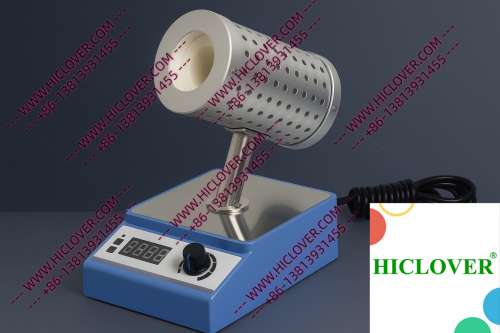
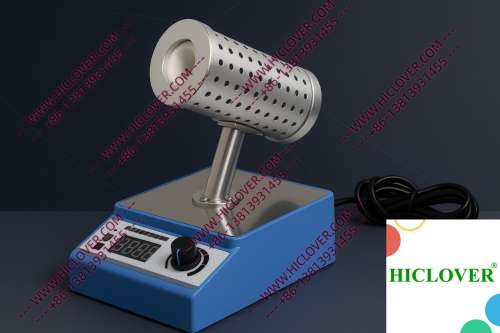
Micro Incinerators employ an advanced infrared heating mechanism within an enclosed ceramic tube, delivering high-temperature disinfection without the drawbacks associated with flame sterilizers. The ceramic heating chamber achieves operational temperatures swiftly, ensuring that inoculating loops and other tools are effectively sterilized in seconds. This technology harnesses focused infrared heat, making it environmentally friendly while promoting clean-bench-safe practices.
Advantages: Micro Incinerators minimize risk by eliminating flame exposure, thus enhancing safety protocols in clean rooms and operational workflows.
Application Scenarios in Laboratories
- Biosafety Cabinets: In BSL-2 and BSL-3 labs, where handling potentially hazardous microorganisms is routine, Micro Incinerators enhance safety and efficiency. The ease of use allows for rapid sterilization of loops without compromising the integrity of sterile environments.
- Field Testing Laboratories: For mobile labs operating in remote regions of Peru, the compact design of Micro Incinerators enables practitioners to conduct rapid sterilization during field experiments. This feature is critical for maintaining biosafety standards in diverse settings.
- Teaching Labs: University laboratories benefit from the integration of Micro Incinerators in training modules. Students learn effective sterilization techniques without exposure to traditional flame methods, fostering a culture of safety that translates into their future practices in clinical diagnostics and microbiology.
Compliance with Global Biosafety Standards
Adhering to international biosafety guidelines, including those recommended by the World Health Organization (WHO), is crucial in laboratory settings. Micro Incinerators align with these standards by ensuring:
- No flame operations in clean rooms, minimizing contamination risks.
- Efficient waste management through high-temperature waste destruction, complying with local and global environmental regulations.
- Consistent, reliable sterilization within the acceptable parameters set forth for laboratory equipment.
As regulatory bodies continue to emphasize the importance of sustainability in waste management, incorporating Micro Incinerators into laboratory practices can serve as a model for compliance while addressing local challenges faced by institutions in Peru.
Comparison: Micro Incinerator vs. Traditional Flame Sterilizers
| Feature | Micro Incinerator | Flame Sterilizers |
|---|---|---|
| Operational Efficiency | Rapid thermal sterilization in seconds | Variable; may require longer heating times |
| Safety | No open flame, aerosol-free | Open flame; risk of fire and burns |
| Environmental Impact | Low emissions and waste | Higher emissions due to combustion |
| Ease of Use | Portable, lightweight design | Requires handling of combustible materials |
FAQs
What is a Micro Incinerator?
A Micro Incinerator is a modern sterilization device that uses infrared heat to sterilize laboratory instruments efficiently and safely, eliminating the need for open flames.
How does infrared heat sterilization work?
The Micro Incinerator generates high temperatures through a ceramic heating chamber, allowing for rapid thermal sterilization of inoculating loops and other lab tools without aerosol generation.
Are Micro Incinerators compliant with lab safety standards?
Yes, they adhere to WHO biosafety guidelines and other international sterilization standards, making them suitable for various laboratory environments including BSL-2 and BSL-3 labs.
Can a Micro Incinerator be used in field testing labs?
Absolutely! Its compact and lightweight design allows easy transportation and operation in remote field testing scenarios, ensuring consistent sterilization.
What are the advantages of using a Micro Incinerator over traditional flame sterilizers?
Micro Incinerators offer numerous advantages including enhanced safety, quicker sterilization times, lower environmental impact, and ease of use.
Conclusion
Embracing Micro Incinerators as a sustainable solution for waste management in laboratories not only enhances safety and compliance but also meets the operational demands of modern scientific workflows in Peru. By adopting this state-of-the-art technology, laboratories can resolve critical issues surrounding contamination control while fulfilling their environmental responsibilities. If you are interested in upgrading your laboratory sterilization processes and exploring how Micro Incinerators can fit into your operations, please contact us for more information.
Categories:
Tags: