
The modern healthcare landscape faces continuous challenges in maintaining laboratory biosafety and ensuring effective sterilization workflows. With the increasing need to control contamination in clinical diagnostics, university teaching labs, and BSL-2/BSL-3 microbiology environments, traditional flame sterilization methods are often insufficient and pose unique safety hazards. A transformative solution lies in flameless loop sterilization heaters, specifically the Micro Incinerator or Infrared Inoculating Loop Sterilizer, which has become indispensable in today’s sterile laboratory settings.
Technical Principles of Flameless Loop Sterilization
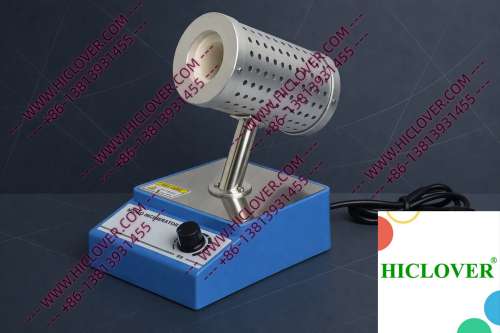
Flameless sterilization employs advanced thermal processes derived from infrared heat technology. The Micro Incinerator features a ceramic heating chamber designed for rapid thermal sterilization. When activated, this heater generates focused infrared radiation that reaches high temperatures almost instantaneously. The enclosed ceramic tube protects against airborne contamination, eliminating the risk of aerosols and biological hazards that a traditional flame would inadvertently foster.
Additional components in the system include precise temperature controls and a durable casing, providing an ergonomic design suitable for extended use in clean environments. Unlike common alcohol lamps or Bunsen burners, which can introduce unwanted variables in sterilization, the Micro Incinerator ensures clean-bench-safe operation.
Applications in Real Labs
Across various laboratory settings, the Micro Incinerator proves its worth through several practical applications:
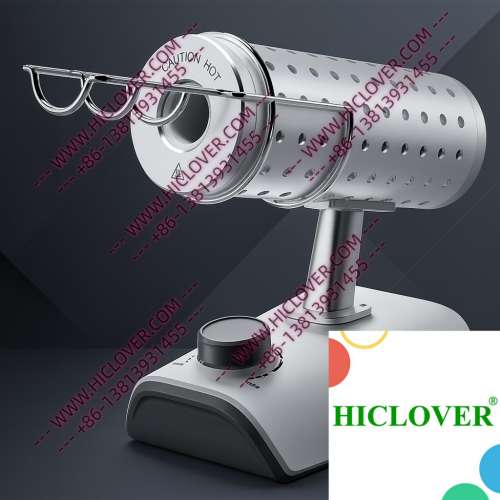
- Biosafety Cabinets: Micro Incinerators seamlessly integrate into biosafety cabinets, offering a compact and effective means to sterilize inoculating loops and tools before and after use. This ensures that operators work within a contaminant-free zone and effectively control biohazard risks.
- Field Testing: In field labs, where mobility and convenience are essential, the flameless design of the Micro Incinerator ensures consistent sterilization. Whether situated in a remote location for environmental sampling or a mobile clinic, operators can perform sterilization without complicated setups or exposure to open flames.
Such applications highlight how the Micro Incinerator addresses the sterilization needs of contemporary laboratories, allowing researchers and technicians to focus on their work without compromising safety.
Compliance with Safety Standards
Ensuring compliance with laboratory safety regulations is non-negotiable, and the Micro Incinerator excels in this area. The World Health Organization (WHO) and other regulatory bodies emphasize significant biosafety practices that include sterilization guidelines to mitigate contamination risks. For instance, traditional flame sterilizers are deemed unsuitable for use in clean rooms, where any open flame can lead to airborne contaminant introduction and fire hazards.
This push for compliance aligns with several important lab sterilization standards. Modified processes in BSL-2 and BSL-3 labs, where advanced biological agents are routinely handled, must include equipment that adheres strictly to these regulations. The Micro Incinerator’s encapsulated design makes it a preferred choice when navigating the delicate balance between effective sterilization and safety compliance.
Comparative Analysis: Micro Incinerator vs. Traditional Flame Burners
| Feature | Micro Incinerator | Flame Burners |
|---|---|---|
| Type of Heat | Infrared | Open Flame |
| Aerosol-Free Handling | Yes | No |
| Temperature Control | Precise | Variable |
| Ease of Use | Compact & Ergonomic | Complex & Hazardous |
| Compliance with Clean Room Standards | Yes | No |
Frequently Asked Questions
- How long does it take for the Micro Incinerator to reach sterilization temperatures?
The Micro Incinerator typically reaches sterilization temperatures within a matter of seconds, enabling rapid sterilization workflows. - Is the Micro Incinerator suitable for use in field labs?
Yes, its flameless design makes it an ideal choice for mobile and field testing labs, ensuring portability without sacrificing safety. - What types of contaminants can the Micro Incinerator effectively eliminate?
It is designed to eliminate a wide range of biological contaminants, making it essential for use in clinical diagnostics and microbiology applications. - How do I maintain the Micro Incinerator? Can it be cleaned easily?
The device should be unplugged and cooled down before cleaning. Its smooth surface allows for easy disinfection and upkeep. - Does the Micro Incinerator comply with international sterilization standards?
Absolutely. The Micro Incinerator adheres to WHO biosafety and lab sterilization standards, making it compliant with many international regulations.
Conclusion
In conclusion, the Micro Incinerator, or Infrared Inoculating Loop Sterilizer, presents a much-needed evolution in sterilization technology, meeting the growing demand for rapid, efficient, and safe laboratory sterilization solutions. It stands out as a clean, compliant, and flameless alternative to traditional flame burners, enhancing safety and performance in laboratory settings. Investing in a Micro Incinerator not only strengthens bio-contamination control but also assures high compliance with health protocols. For more information or to make a purchase, reach out to our sales team today!
Categories:
Tags: