
Laboratories today face escalating biosafety challenges, particularly regarding sterilization workflows that ensure contamination control without compromising operational efficiency. In an era where stringent biosafety standards are paramount, the need for effective sterilization methods, particularly within BSL-2 and BSL-3 microbiology labs, has led to the rise of innovative sterilization equipment, including the Micro Incinerator and Infrared Inoculating Loop Sterilizer.
Meeting the Demand for Reliable Sterilization
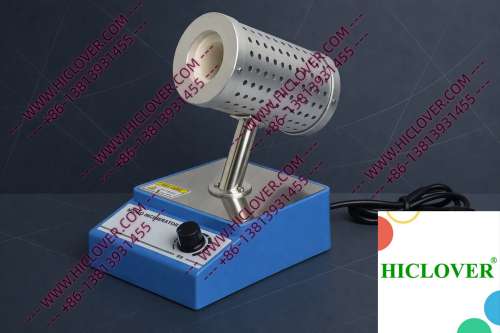
Traditional flame sterilizers, such as alcohol lamps and Bunsen burners, have been staples in laboratory settings for decades. However, they pose numerous drawbacks: they are prone to aerosol creation, risk of burns, and can introduce contaminants into clean environments. In contrast, compact loop systems like the Micro Incinerator leverage cutting-edge infrared technology to deliver rapid thermal sterilization without the disadvantages associated with flame-based methods.
Technical Principles of the Micro Incinerator
The Micro Incinerator operates on the principle of infrared high-temperature disinfection. It features an enclosed ceramic heating chamber that generates uniform heat, providing a clean and efficient method to sterilize inoculating loops, needles, and other lab tools. The absence of an open flame not only enhances safety but also permits its use in cleanroom conditions and biosafety cabinets.
How It Works
The ceramic heating element reaches temperatures exceeding 800°C in mere seconds, ensuring rapid sterilization. This method is particularly effective in preventing cross-contamination and managing bio-aerosols, which are often generated during traditional flame sterilization techniques.
Application Scenarios of the Micro Incinerator
1. Biosafety Cabinets
Utilizing a Micro Incinerator within a biosafety cabinet allows researchers to safely sterilize inoculating loops without introducing contaminants into a controlled environment. This is vital for areas dealing with pathogenic microorganisms, where strict compliance with WHO biosafety standards is essential.
2. Field Testing Labs
In mobile or field testing labs, where access to electrical sources may be limited, the portability and reliability of the Micro Incinerator shine. Researchers can perform rapid sterilization of equipment and maintain strict contamination control protocols even in remote locations, significantly enhancing the reliability of their test results.
Compliance with Biosafety Standards
Adhering to established laboratory sterilization standards is crucial for maintaining a safe working environment. Notably, WHO guidelines highlight the necessity for efficient sterilization practices in laboratories dealing with infectious agents. Additionally, the design of the Micro Incinerator ensures that it complies with biosafety regulations, allowing it to be safely used in cleanrooms due to its flame-free technology.
- Rapid thermal sterilization capability
- Minimal risk of contamination through aerosol-free handling
- Compliance with BSL-2 and BSL-3 regulations
- Safe operation in cleanbench environments
Comparison: Micro Incinerator vs. Traditional Flame Burners
| Feature | Micro Incinerator | Flame Burners |
|---|---|---|
| Heating Method | Infrared heat | Open flame |
| Temperature Control | Precise with ceramic tube | Variable, hard to control |
| Risk of Contamination | Low | High due to aerosols |
| Use in Cleanrooms | Yes | No |
| Ease of Use | Simple, plug-and-play | Requires flame management |
Frequently Asked Questions (FAQs)
What types of sterilization can I achieve with a Micro Incinerator?
The Micro Incinerator provides rapid thermal sterilization primarily for inoculating loops, needles, and small lab tools, ensuring they are free of contaminants during procedure.
How does the Micro Incinerator ensure compliance with biosafety standards?
Its enclosed ceramic heating system allows for safe operation without open flames, maintaining sterilization efficacy while reducing contamination risks as outlined by WHO biosafety guidelines.
Can the Micro Incinerator be used in teaching laboratories?
Absolutely! It is ideal for university teaching labs where students learn microbiological techniques requiring sterilization. Its safety features prevent accidents associated with flame use.
Is the Micro Incinerator suitable for field testing applications?
Yes, its compact design and fast sterilization capabilities make it an excellent choice for field testing labs, allowing researchers to maintain high standards of contamination control even in remote areas.
What are some advantages of using an infrared inoculating loop sterilizer over traditional methods?
Infrared sterilizers reduce the risks of burns, eliminate aerosol risks, provide more precise temperature control, and improve overall workflow efficiency in a laboratory setting.
Conclusion
As laboratories continue to evolve in their sterilization protocols, compact loop systems like the Micro Incinerator are set to revolutionize biosafety practices. With their efficient, safe, and compliant design, they provide an essential tool for modern laboratories to enhance their sterile techniques. If you’re looking to upgrade your laboratory sterilization equipment, consider the Micro Incinerator as a vital addition to your sterilization workflow.
For more information on purchasing the Micro Incinerator or to discuss your laboratory needs, feel free to contact us today.
Categories:
Tags: