
In modern laboratory environments, biosafety challenges are frequently encountered, particularly in settings such as BSL-2 and BSL-3 microbiology labs, clinical diagnostics, and university teaching labs. These challenges necessitate the use of effective sterilization equipment to ensure contamination control and maintain experiment integrity. Among the top choices for rapid thermal sterilization are Micro Incinerators, specifically designed for the sterilization of inoculating loops and other laboratory tools. These infrared inoculating loop sterilizers are transforming laboratory sterilization workflows and enhancing safety protocols.
Understanding Micro Incinerators: Technical Principles
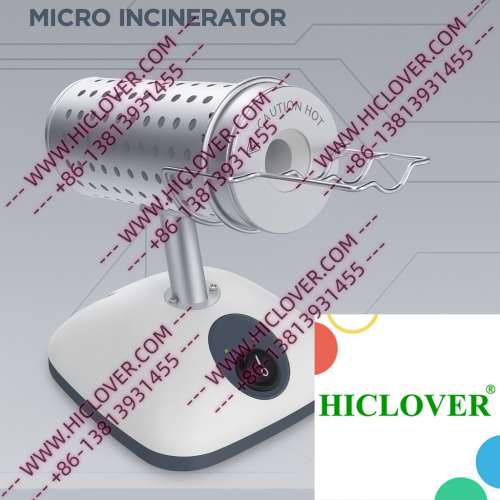
The Micro Incinerator operates on the principle of infrared heat using a ceramic heating chamber, which can rapidly reach high temperatures to effectively disinfect laboratory instruments. Unlike traditional flame sterilizers, such as alcohol lamps and Bunsen burners, this technology provides several advantages, including:
- Aerosol-Free Handling: With no open flames, the risk of aerosol generation is significantly reduced, ensuring a cleaner working environment.
- Energy Efficiency: Infrared radiation allows for quick heating and cooling cycles, optimizing energy consumption.
- Consistent Temperature Control: The enclosed ceramic tube ensures that instruments are uniformly exposed to high temperatures, essential for effective sterilization.
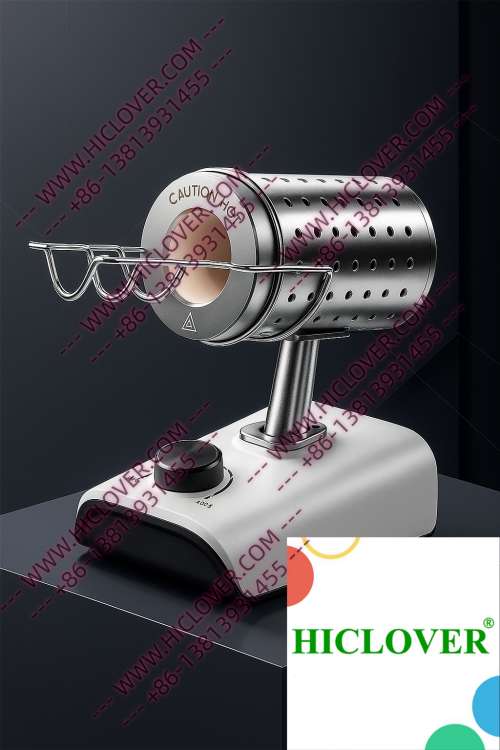
This sophisticated design not only meets the demands of intricate laboratory sterilization workflows but also offers economic benefits, significantly reducing downtime associated with manual sterilization methods.
Applications in Real Laboratories
1. Utilization in Biosafety Cabinets
Micro Incinerators are invaluable in biosafety cabinets where sterile techniques are essential. For instance, in a BSL-2 laboratory handling pathogenic microorganisms, researchers can effectively sterilize inoculating loops without leaving the biosafety cabinet. This minimizes the risk of contamination and facilitates a more efficient workflow.
2. Field Testing Labs
In mobile or field testing labs, where resources may be limited, Micro Incinerators demonstrate their practicality. These sterilizers can be powered with minimal energy sources while providing quick sterilization on-site, thus ensuring that field researchers adhere to contamination standards without compromising their work.
Biosafety Compliance and Environmental Considerations
Globally, laboratory safety standards, such as those set by the World Health Organization (WHO), mandate effective sterilization methods to prevent contamination spread. Traditional flame sterilization not only poses risks for burns and contamination but can also violate clean room protocols due to flame-generated aerosols. In contrast, Micro Incinerators offer a clean-bench-safe option that aligns with laboratory sterilization standards.
Compliance with biosafety regulations ensures laboratories avoid costly shutdowns and adhere to best practices in safety. As laboratories prioritize investments in sterilization equipment that meets these stringent guidelines, choosing Infrared Inoculating Loop Sterilizers can significantly elevate laboratory safety levels.
Economic Benefits of Investment
Investing in Micro Incinerators yields substantial long-term economic benefits, including:
- Reduced costs associated with laboratory accidents and contamination.
- Improved laboratory workflow efficiency, thus enhancing productivity.
- Energy savings over traditional flame sterilizers, contributing to overall lower operational costs.
By implementing state-of-the-art sterilization technologies, laboratories can expect to see a considerable return on investment, a key driver for many institutions, including hospitals, universities, and research centers.
Comparison: Micro Incinerator vs. Traditional Flame Burners
| Feature | Micro Incinerator | Flame Burners |
|---|---|---|
| Aerosol Generation | None | High |
| Maintenance | Low | High |
| Energy Consumption | Efficient | Variable |
| Temperature Control | Consistent | Inconsistent |
| Portability | High | Low |
Frequently Asked Questions
1. What is the main advantage of using a Micro Incinerator over traditional flame sterilizers?
The primary advantage lies in the aerosol-free handling and consistent sterilization temperatures that significantly reduce the risk of contamination.
2. Can Micro Incinerators be used in field testing labs?
Absolutely! They are highly portable and designed to perform effectively in field conditions, making them ideal for mobile laboratories.
3. How do Micro Incinerators comply with WHO biosafety standards?
Micro Incinerators meet biosafety standards by eliminating open flames and reducing aerosol generation, ensuring a safer work environment for laboratory personnel.
4. What instruments can be sterilized using a Micro Incinerator?
The sterilizer is particularly effective for inoculating loops, but it can also be used for various small laboratory tools needing thermal disinfection.
5. Are there any safety precautions to consider when using a Micro Incinerator?
As with any laboratory equipment, proper training and facility maintenance are essential to ensure safety, even though the risk of burns is lower than with flame sterilizers.
Conclusion
In conclusion, investing in Anti-Contamination Sterilizers, like the Micro Incinerator / Infrared Inoculating Loop Sterilizer, represents a strategic decision that positively impacts laboratory efficiency, safety, and adherence to biosafety regulations. For universities, hospitals, and research centers looking to enhance their sterilization processes and reduce costs, the advantages of adopting this advanced technology are clear. To learn more about how the Micro Incinerator can transform your laboratory workflows, feel free to contact us today!
Categories:
Tags: