
In today’s laboratory environments, safety and efficiency in sterilization processes are paramount. As the demand for biosafety increases, understanding the practical challenges of contamination control in BSL-2 and BSL-3 laboratories becomes critical. For laboratory technicians and researchers alike, effective sterilization of inoculating loops, glassware, and instruments can streamline workflows while ensuring compliance with health and safety regulations. This is where clean bench heating sterilizers, particularly the Micro Incinerator / Infrared Inoculating Loop Sterilizer, come into play as an invaluable addition to laboratory sterilization equipment.
Technical Principles of Infrared Heating Sterilizers
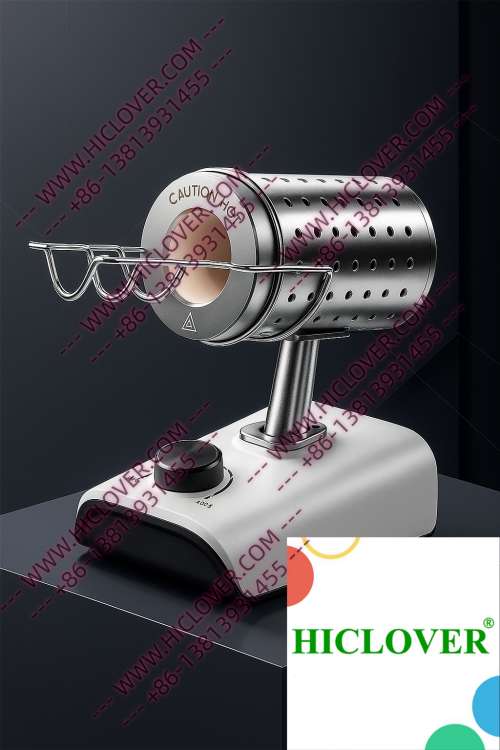
The Micro Incinerator operates on the principle of rapid thermal sterilization using infrared heat, which provides many advantages over traditional flame-based sterilizers. At its core, the device features a ceramic heating chamber that encloses the heating element. This design allows for immediate and consistent high-temperature disinfection without the risks associated with open flames.
When the sterilizer is activated, it generates infrared radiation that effectively heats surgical instruments, inoculating loops, and other sterilizable items within seconds. This method is not only faster but also eliminates concerns regarding aerosols or flame exposure, making it suitable for use in biosafety cabinets and other clean environments.
Applications in Laboratories
Biosafety Cabinets
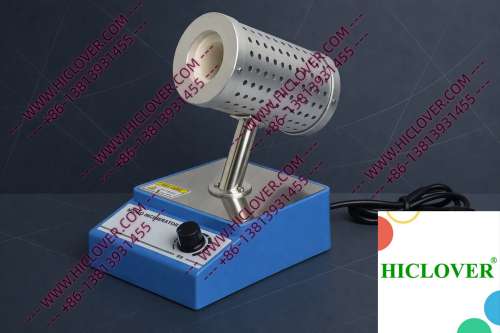
In biosafety cabinets, it is crucial to maintain contaminant-free environments. The Micro Incinerator can be safely used to sterilize inoculating loops before transferring cell cultures. This method prevents any potential contamination of biological samples and ensures the integrity of research outcomes.
Field Testing
Field laboratories, where mobile or portable testing is conducted, often face logistical challenges concerning sterilization. Here, the Micro Incinerator shines due to its compact design and enhanced portability. It affords researchers the ability to conduct experiments with sterilized instruments on-site, thus reducing the turnaround time for testing while maintaining compliance with safety protocols.
Compliance with Sterilization Standards
Internationally established protocols such as those outlined by the World Health Organization (WHO), as well as local regulations governing laboratory practices, emphasize the importance of effective sterilization equipment. The clean bench heating sterilizers meet stringent laboratory sterilization standards, ensuring compliance with guidelines that specify controls over contamination and infection transmission.
Notably, laboratories employing these sterilizers typically avoid the usage of alcohol lamps and Bunsen burners in clean rooms. Adopting a flame-free approach not only aligns with safety regulations but also minimizes risks associated with flammable substances.
Comparison with Traditional Flame Sterilizers
| Feature | Micro Incinerator | Flame Sterilizers (e.g., Bunsen Burner) |
|---|---|---|
| Heating Method | Infrared | Open Flame |
| Safety | Clean-bench-safe, reduces aerosol generation | Risk of fire hazards, potential aerosol generation |
| Portability | Compact and easily transportable | Less portable |
| Efficiency | Instant heating capabilities | Requires time to ignite and achieve temperature |
Frequently Asked Questions (FAQs)
- What is the primary benefit of using a Micro Incinerator in a laboratory? The Micro Incinerator offers rapid thermal sterilization, ensuring efficient contamination control without the risks associated with traditional flame sterilizers.
- Can the Micro Incinerator be used in teaching labs? Yes, it is ideal for university teaching labs as it provides a clean, flame-free method for sterilizing tools while educating students about modern sterilization techniques.
- How does infrared heating improve the sterilization process? Infrared heating provides consistent and rapid thermal disinfection, leading to more effective sterilization while maintaining a safer laboratory environment.
- Is the Micro Incinerator compliant with WHO guidelines? Absolutely, it aligns with biosafety standards set by the WHO and other regulatory bodies regarding laboratory sterilization practices.
- What about the maintenance and operational costs? Micro Incinerators have lower operational costs due to their efficiency and ease of maintenance compared to traditional flame sterilizers.
Conclusion
In an era where safety, efficiency, and compliance are paramount, the Micro Incinerator / Infrared Inoculating Loop Sterilizer emerges as a modern-day solution to the longstanding challenges in laboratory sterilization. By adopting this equipment, laboratories ensure not only adherence to biosafety standards but also facilitate smoother workflow processes in diverse settings—from clinical diagnostics to academia and field tests.
For more information about how you can upgrade your laboratory equipment and improve your sterilization practices with our Micro Incinerator, please don’t hesitate to get in touch with us or place an order today!
Categories:
Tags: