
In an ever-evolving world where laboratory biosafety is paramount, veterinary clinics are seeing an increased need for effective sterilization solutions. Among these solutions, the Micro Incinerator or Infrared Inoculating Loop Sterilizer stands out as an innovative tool that addresses sterilization workflow demands. This article delves into the technical principles, applications, and compliance considerations associated with this essential piece of laboratory sterilization equipment.
Addressing Laboratory Biosafety Challenges
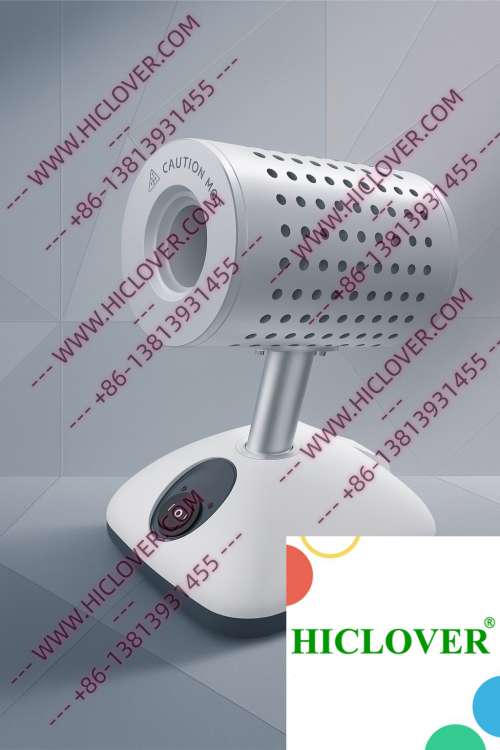
Veterinary clinics often face significant biosafety challenges, particularly in the context of microbiological research and diagnostics. Effective contamination control is critical, especially when working in environments categorized as BSL-2 or BSL-3 laboratories. Traditional flame sterilizers, such as alcohol lamps or Bunsen burners, pose several risks, including the release of aerosols, environmental hazards, and the potential for flame-related accidents.
The demand for a safer, cleaner solution has led to the increasing adoption of infrared sterilizers. Unlike flame-based methods, these sterilizers utilize rapid thermal sterilization via an enclosed ceramic heating chamber, providing high-temperature disinfection without the dangers associated with open flames.
Technical Principles of Infrared Sterilization
The Micro Incinerator employs infrared heat technology to achieve rapid sterilization. It features an enclosed ceramic tube that provides consistent, high-temperature output, effectively eliminating microbial threats. The unique design facilitates aerosol-free handling, making it especially suitable for clean environments, like biosafety cabinets or mobile laboratories.
As laboratory professionals know, maintaining sterility is crucial in clinical diagnostics and microbiology studies. The Micro Incinerator’s ability to generate high temperatures quickly (often exceeding 800°C or 1472°F) ensures that inoculating loops, needles, and other tools can be decontaminated swiftly and efficiently.
Additionally, the compact and portable design makes it an ideal choice for university teaching labs and field testing applications, where reliable sterilization techniques are required in varying environments.
Applications in Real Laboratories
1. Biosafety Cabinets
In BSL-2 and BSL-3 microbiology labs, maintaining a sterile environment is crucial. The Micro Incinerator can be utilized within biosafety cabinets, allowing research professionals to sterilize tools rapidly without worrying about the introduction of flame-related hazards or contamination from aerosols. Its compact design fits seamlessly within cabinet workspaces to keep sample integrity intact.
2. Field Testing
Veterinarians and research teams often need to conduct studies in outdoor environments. The Micro Incinerator can be transported easily to field testing sites, providing an efficient means of sterilizing tools on-the-go. The ability to rely on infrared heat means researchers can focus on their work without interruptions or delays caused by traditional flame sterilizers.
Compliance Considerations for Sterilization Equipment
To align with global health standards, such as those set forth by the WHO, veterinary clinics and laboratories must adhere to strict sterilization protocols. The Micro Incinerator meets and exceeds many of these compliance stipulations by:
- Eliminating open flames, critical in clean rooms and environments sensitive to contamination.
- Adhering to laboratory sterilization standards that require effective decontamination methods.
- Providing a sterilization solution that minimizes the release of environmental pollutants.
In Europe, for instance, compliance with the EU’s Biocidal Products Regulation emphasizes the importance of effective disinfection methods. The Micro Incinerator stands as a viable option for laboratories looking to meet these high standards while ensuring safety in their workflows.
Comparison of Micro Incinerator vs. Traditional Flame Burners
| Feature | Micro Incinerator | Flame Burners |
|---|---|---|
| Heat Source | Infrared | Open Flame |
| Safety | Aerosol-free handling | Risk of contamination and accidents |
| Portability | Compact and easy to transport | Often larger and cumbersome |
| Temperature Control | Rapid, high-temperature sterilization | Variable flame intensity |
| Environment | Suitable for clean rooms | Not ideal for sterile environments |
Frequently Asked Questions
- What is the lifespan of a Micro Incinerator?
The lifespan can vary depending on usage and maintenance, but generally, they are designed for long-term use with proper care. - How does the Micro Incinerator ensure consistent temperature output?
The enclosed ceramic heating chamber ensures even and reliable heat distribution for effective sterilization. - Can the Micro Incinerator be used in veterinary clinics?
Absolutely, it is particularly effective for veterinary practices that require stringent sterilization processes. - Is the Micro Incinerator compliant with international sterilization standards?
Yes, it meets WHO biosafety and various local compliance standards, making it a trusted choice for many laboratories. - How does it help in teaching labs?
Its ease of use and safety features make it an excellent educational tool for students learning about microbiological techniques.
Conclusion
The Micro Incinerator / Infrared Inoculating Loop Sterilizer is revolutionizing sterilization practices in veterinary clinics and laboratory environments alike. Its advanced features, compliance with biosafety standards, and applications in diverse settings make it a critical tool for improving lab workflows and ensuring safety.
If you’re looking to enhance your veterinary clinic’s sterilization processes or wish to provide educators and researchers with reliable laboratory equipment, consider investing in a Micro Incinerator today. For more information or to explore purchasing options, don’t hesitate to contact us.
Categories:
Tags: