
In today’s research facilities, laboratory biosafety is paramount. Each lab faces unique sterilization challenges, from contamination control to compliance with stringent safety standards. As laboratory workflow demands heighten, so does the need for reliable sterilization equipment. High-Temperature Sterilizers, particularly the Micro Incinerator or Infrared Inoculating Loop Sterilizer, have emerged as innovative solutions that marry efficiency with safety.
Practical Challenges in Laboratory Sterilization
Laboratories, especially those operating under BSL-2 and BSL-3 standards, require rigorous sterilization processes to prevent contamination and ensure accurate results. Traditional flame sterilizers, such as alcohol lamps and Bunsen burners, while functional, present numerous challenges, including the risk of open flames in sensitive environments. These concerns are exacerbated in clean rooms and biomedical laboratories where any stray flame poses hazards, including fire risks and potential impacts on delicate experiments.
Technical Principles of the Micro Incinerator
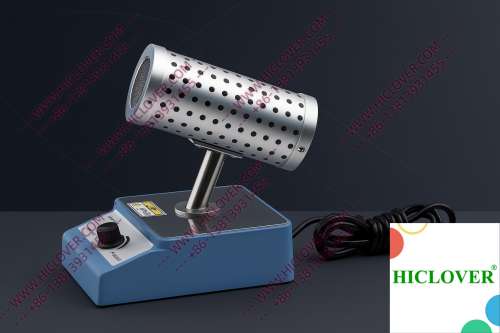
The Micro Incinerator employs advanced infrared heating technology for rapid thermal sterilization. This cutting-edge device features an enclosed ceramic tube that can reach high temperatures of approximately 800-1000 degrees Celsius. This creates an efficient, flame-free environment for sterilization, allowing for rapid disinfection of inoculating loops and metal instruments.
The core components of the Micro Incinerator include:
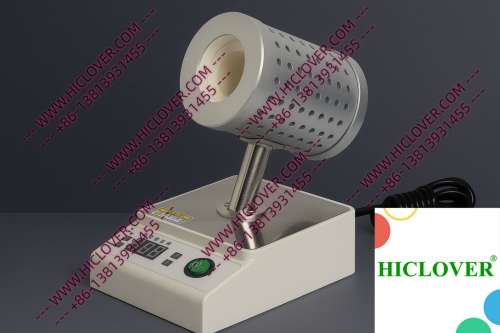
- Ceramic Heating Chamber: Ensures even heat distribution for effective sterilization.
- Infrared Technology: Provides instant heating capabilities, minimizing wait times between uses.
- Compact Design: Space-saving structure fits seamlessly into various laboratory settings.
Application Scenarios in Real Labs
1. Teaching Laboratories
In university settings, teaching labs often use traditional flame sterilizers to demonstrate microbiological techniques. However, the Micro Incinerator enables students to engage in safer practices. For instance, it allows for clear visibility without the risk of flame, enhancing the learning experience while adhering to safety protocols.
2. Mobile Testing Labs
Field testing often presents additional challenges, particularly in remote or outdoor settings. The Micro Incinerator’s portability and battery-operated options make it ideal for mobile laboratories conducting field tests. Researchers can efficiently sterilize their instruments without the need for cumbersome fuel sources or open flames, ensuring safety while maintaining the integrity of samples.
Compliance and Environmental Considerations
Compliance with biosafety standards is a critical concern for all laboratories. The World Health Organization (WHO) emphasizes the need for stringent safety protocols in laboratory settings to avoid contamination and ensure worker safety. The Micro Incinerator meets various lab sterilization standards, providing a flame-free option crucial for maintaining clean room conditions. Notably, this equipment eliminates aerosol generation during operations, allowing for a safer and cleaner working environment.
“The use of high-temperature sterilizers like the Micro Incinerator enables laboratories to comply with stringent safety standards while enhancing operational efficiency.”
Advantages Over Traditional Flame Sterilizers
| Feature | Micro Incinerator | Traditional Flame Sterilizers |
|---|---|---|
| Heating Method | Infrared | Open Flame |
| Safety | Flame-free, reduces fire risk | Potential fire hazards |
| Efficiency | Instant heating | Requires warm-up time |
| Contamination Control | Aerosol-free handling | Risk of aerosol production |
Frequently Asked Questions
- What is the maximum temperature of the Micro Incinerator?
The Micro Incinerator can reach temperatures of 800-1000 degrees Celsius, ensuring thorough sterilization. - Can the Micro Incinerator be used in clean rooms?
Absolutely! Its flame-free design makes it ideal for use in clean rooms where open flames are strictly prohibited. - How long does it take to sterilize an inoculating loop?
The Micro Incinerator provides rapid sterilization, taking only a few seconds to purge any contaminants. - Is the Micro Incinerator portable?
Yes, it is designed for mobility and can be used effectively in various settings, including field labs. - What are the maintenance requirements for this sterilizer?
Routine cleaning of the ceramic tube and functional checks are recommended to ensure optimal performance.
Conclusion
The integration of high-temperature sterilization technology, as exemplified by the Micro Incinerator, represents a transformative step in laboratory practices. Not only does it enhance efficiency and safety, but it also aligns with regulatory frameworks to meet modern biosafety standards. By choosing the Micro Incinerator, laboratories can streamline their workflows while safeguarding their personnel and experiments from contamination.
For more information on acquiring a Micro Incinerator or similar equipment, feel free to contact us. Equip your laboratory with the best in sterilization technology and revolutionize your sterilization processes today!
Categories:
Tags: