
Ensuring the purity of bacterial cultures is one of the most critical challenges faced in laboratory environments. With increasing biosafety concerns and regulatory demands, lab personnel must adopt a rigorous sterilization protocol to prevent contamination. Among the various sterilization methods, the Micro Incinerator, specifically the Infrared Inoculating Loop Sterilizer, has emerged as a preferred choice for maintaining culture purity, thanks to its rapid thermal sterilization capabilities. In this article, we will delve into effective sterilization strategies, focusing on the features, applications, and compliance standards associated with this advanced equipment.
Understanding the Infrared Inoculating Loop Sterilizer
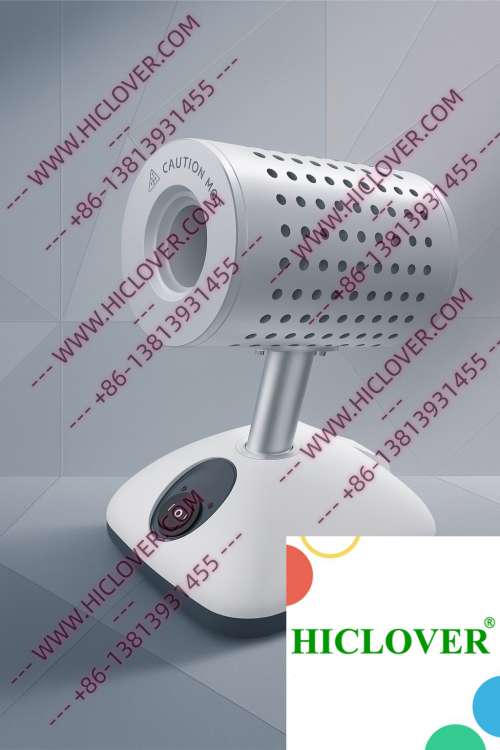
The Micro Incinerator operates on the principle of infrared heat, utilizing an enclosed ceramic heating chamber that emits high temperatures to disinfect inoculating loops and other small lab tools. Unlike traditional flame sterilizers such as alcohol lamps or Bunsen burners, the infrared sterilizer provides a safe and efficient means to eliminate microbial contaminants while reducing the risk of aerosol production. This feature is particularly valuable in cleanroom environments, where maintaining a sterile atmosphere is non-negotiable.
Technical Configuration
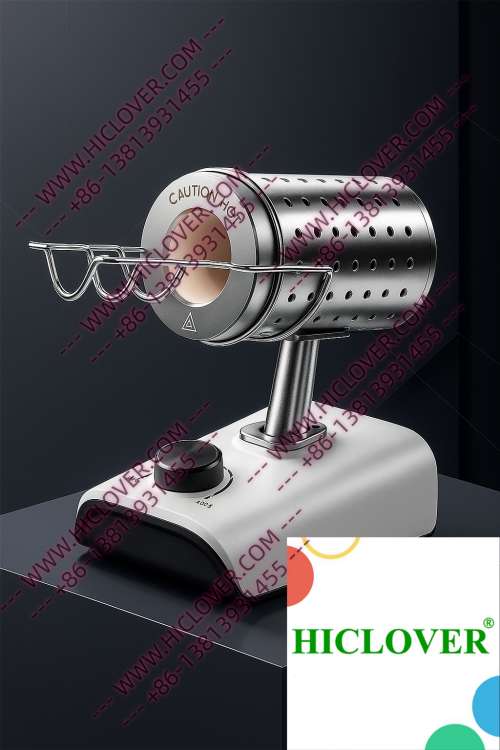
The compact design of the Micro Incinerator allows for easy integration into various laboratory settings. Its user-friendly interface simplifies the sterilization process, allowing for on-demand operation. The ceramic tube effectively traps heat, reaching temperatures over 800°C within seconds. This level of temperature ensures that bacterial and viral pathogens are eradicated instantaneously, promoting a safer working environment.
Application Scenarios
1. Biosafety Cabinets
In BSL-2 and BSL-3 microbiology labs, strict compliance with biosafety protocols is crucial. The Infrared Inoculating Loop Sterilizer fits seamlessly into biosafety cabinets, allowing researchers to perform tasks without compromising the sterile field. Its rapid sterilization eliminates the need for open flames, which can introduce unpredictable hazards.
2. Field Testing and Teaching Labs
Mobile and field testing labs also benefit immensely from the use of an infrared inoculating loop sterilizer. Field researchers can maintain bacterial culture integrity even in remote locations where traditional sterilization methods may prove difficult to implement. Additionally, in university teaching labs, students can safely practice sterile techniques without the associated risks of flame contact. The educational aspect significantly enhances the understanding of contamination control and microbial management.
Compliance and Environmental Considerations
Compliance with international biosafety standards is imperative for all laboratory operations. Organizations such as the World Health Organization (WHO) emphasize the critical need for effective sterilization methods to mitigate contamination risks. The Micro Incinerator aligns with established lab sterilization standards, providing a clean, flame-free solution suited to modern laboratories.
In cleanroom environments, the absence of flames significantly reduces air contamination and eliminates the production of harmful aerosols, further enhancing safety protocols. Laboratories in regions like New York City or Berlin often mandate equipment that adheres to stringent safety regulations, driving the demand for advanced sterilization technologies like the Micro Incinerator.
FAQ Section
1. How does the Micro Incinerator ensure effective sterilization?
The Micro Incinerator employs infrared heat within a ceramic chamber to achieve high temperatures rapidly, effectively eliminating microbial contaminants in seconds.
2. Is the Micro Incinerator safe for use in clean rooms?
Yes, its flame-free operation minimizes the risk of air contamination, making it an ideal choice for cleanroom settings.
3. Can the Infrared Inoculating Loop Sterilizer be used in field settings?
Absolutely! Its portable design allows researchers to maintain culture integrity effectively, even in remote locations.
4. What advantages does the Micro Incinerator have over traditional flame sterilizers?
- Rapid sterilization without the risk of open flames.
- Reduced aerosol production, ensuring a safer lab environment.
- Compact and portable design for versatile use.
5. Are there specific compliance requirements for microbiology labs?
Yes, labs must adhere to biosafety guidelines as mandated by organizations like WHO, which includes using effective sterilization methods to control contamination.
Comparative Overview: Micro Incinerator vs. Flame Burners
| Feature | Micro Incinerator | Flame Burners |
|---|---|---|
| Temperature Control | High precision, rapid heating | Fluctuating temperature, slower heating |
| Safety | Flame-free operation, reduced risk of burns | Open flame, risk of fire hazards |
| Aerosol Production | No aerosols | Potential for aerosol generation |
| Portability | Compact and easy to transport | Less portable, often bulky |
Conclusion
In summary, the Micro Incinerator / Infrared Inoculating Loop Sterilizer is an excellent solution for laboratory sterilization challenges, ensuring bacterial culture purity through rapid, efficient, and safe sterilization methods. As laboratories in urban centers and field settings continue to evolve, investing in advanced sterilization technologies becomes not just a preference, but a necessity. For more information on acquiring a Micro Incinerator for your lab, feel free to reach out today!
Categories:
Tags: