
In the ever-evolving landscape of laboratory biosafety, professionals constantly face the challenge of ensuring effective contamination control. Traditional sterilization methods, such as alcohol lamps and Bunsen burners, while widely used, present shortcomings in both efficiency and safety. Enter the era of high-temperature infrared sterilizers, specifically the Micro Incinerator or Infrared Inoculating Loop Sterilizer, which provides a cutting-edge solution tailored for modern laboratory demands.
Technical Principles Behind Infrared Sterilization
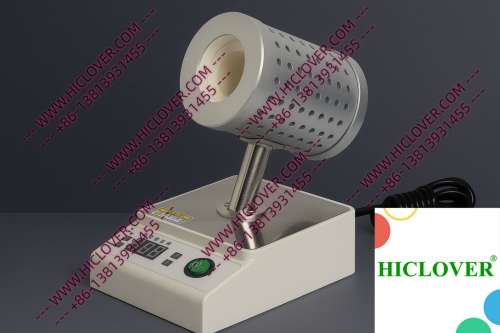
The fundamental operational principle of infrared sterilizers is based on rapid thermal sterilization. These units utilize an enclosed ceramic heating chamber, allowing for the generation of high temperatures without the use of open flames. Infrared heat penetrates the inoculating loop or other sterilization instruments efficiently, ensuring comprehensive disinfection in a fraction of the time compared to traditional methods.
This method not only curtails the risk of aerosols being generated, thus keeping the workspace safe, but also ensures that heat is focused on the item being sterilized. The specific targeting of infrared radiation leads to effective sterilization while minimizing energy waste. The temperature regulation in such units permits quick heating and cooling cycles, providing a seamless workflow in laboratory environments.
Application Scenarios in Real Laboratories
- Biosafety Cabinets: In BSL-2 and BSL-3 microbiology labs, the Micro Incinerator can be seamlessly integrated into biosafety cabinets. Its enclosed design eliminates risks associated with flame and provides a clean-bench-safe environment for sensitive procedures. Here, it’s crucial to maintain contamination control while handling pathogens safely.
- Field Testing Laboratories: For research conducted in remote settings, mobile field-testing labs benefit significantly from the portability and efficiency of infrared sterilizers. Easy to use and requiring minimal setup, these devices ensure that researchers can maintain sterility and workflow even in challenging environments without reliance on traditional flame sources.
- What types of laboratories can benefit from high-temperature infrared sterilizers?
All types, especially BSL-2 and BSL-3 labs, clinical diagnostics labs, and university teaching facilities. - How does the Micro Incinerator compare to traditional sterilizers?
It offers better efficiency, improved safety, and superior contamination control compared to flame-based alternatives. - Are infrared sterilizers compliant with WHO biosafety standards?
Yes, infrared sterilizers comply with WHO biosafety guidelines, making them ideal for sensitive laboratory environments. - Can infrared sterilizers be used in field conditions?
Absolutely, their portability and quick operation make them perfect for mobile or field-testing labs. - What maintenance is required for high-temperature infrared sterilizers?
Regular cleaning and occasional inspection of the heating element to ensure consistent performance.
Compliance and Safety Standards in Laboratory Sterilization
As laboratory environments evolve, so too do the compliance standards governing them. The WHO outlines strict biosafety protocols to mitigate risks in laboratories, emphasizing the need for equipment that adheres to these regulations. High-temperature infrared sterilizers align perfectly with these protocols due to their design, which does not use open flames, thus making them suitable for clean rooms and areas with controlled airflow.
The push for compliance extends to local standards and guidelines that discourage the use of flame in sensitive areas such as CO2 incubators or anaerobic chambers. The Micro Incinerator not only adheres to these guidelines but enhances laboratory safety by removing the risks associated with traditional flame sterilizers.
Features that Set Infrared Sterilizers Apart
“The shift towards infrared sterilizers represents not just a technological advance but a renewed commitment to laboratory safety and efficiency.”
Comparative Analysis: Micro Incinerator vs. Traditional Flame Sterilizers
| Feature | Micro Incinerator | Flame Sterilizers |
|---|---|---|
| Efficiency | Rapid thermal sterilization | Slow, with variable results |
| Safety | No open flames, lower risk of accidents | Higher risk of burns and contamination |
| Contamination Control | Aerosol-free handling | Open flames can disturb sterile environments |
| Energy Consumption | Focused, minimal energy waste | Variable, often inefficient |
| Ease of Use | Simple operation with quick setup | Requires skill and careful control |
Frequently Asked Questions
Conclusion: An Essential Tool for Modern Laboratories
As laboratories across the globe seek to enhance their sterilization processes, high-temperature infrared sterilizers such as the Micro Incinerator provide an unmatched combination of efficiency, efficacy, and safety. The challenges presented by traditional methods become obsolete in light of these innovative solutions. Investing in a Micro Incinerator could transform your lab’s approach to sterilization. For inquiries or to make a purchase, don’t hesitate to contact us today!
Categories:
Tags: