
Overcoming Laboratory Biosafety Challenges
In the ever-evolving world of laboratory sciences, ensuring a germ-free work environment is paramount. Laboratories, from academic institutions to clinical settings, face pressing biosafety challenges such as contamination control, rapid sterilization needs, and compliance with strict health regulations. Among the most effective solutions innovating sterilization workflows is the Micro Incinerator, particularly the Infrared Inoculating Loop Sterilizer. This advanced sterilization technology is meeting the rigorous demands of modern laboratories.
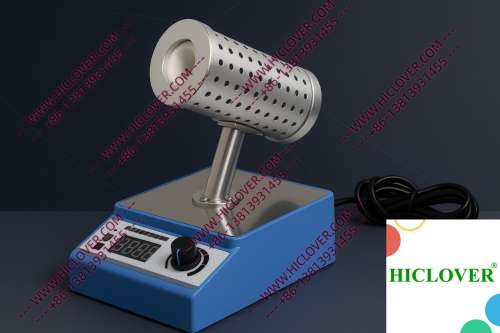
The Technical Principles of Infrared Inoculating Loop Sterilizers
The Micro Incinerator operates on a simple yet effective principle: rapid thermal sterilization using infrared heat. The key feature of this device is its enclosed ceramic heating chamber, which reaches high temperatures to effectively eliminate microbial life without the need for open flames, making it ideal for various laboratory settings.
This unique design not only facilitates a clean and safe sterilization process but also protects workers from harmful aerosols and contaminants. The infrared heating technology ensures that the inoculating loops are thoroughly sterilized within seconds, streamlining the workflow and enhancing laboratory efficiency.
Applications in Real Laboratories
1. Biosafety Cabinets
In BSL-2 and BSL-3 microbiology labs, maintaining a sterile workspace is critical. The Micro Incinerator fits seamlessly inside biological safety cabinets where conventional flame sterilizers are impractical due to the risk of contaminants and the need for a sterile environment. Its rapid heat generation guarantees that sterilization occurs without disturbing the carefully controlled airflow essential in these cabinets.
2. Field Testing and Teaching Labs
Mobile or field testing labs often encounter the challenge of equipment portability without sacrificing sterility. The Infrared Inoculating Loop Sterilizer is lightweight and compact, making it an ideal choice for on-site testing in remote locations. Meanwhile, in university teaching labs, the absence of flames enhances student safety while facilitating a hands-on learning experience in microbial techniques.
Compliance with Biosafety Standards
Globally, laboratory sterilization practices are governed by various biosafety regulations including those set out by the World Health Organization (WHO) and local health authorities. Regulations demand that sterilization methods in BSL environments utilize techniques that minimize the risk of fire and chemical exposure. Traditional flame sterilizers pose multiple risks, including aerosol production and the potential for equipment damage.
“The transition to touch-free sterilization such as the Micro Incinerator is pivotal for meeting contemporary standards of laboratory safety.”
Advantages Over Traditional Flame Sterilizers
The benefits of using a Micro Incinerator over traditional flame sterilizers, such as alcohol lamps and Bunsen burners, are clear:
- Enhanced safety: No open flames reduce fire hazards.
- Rapid sterilization: Faster thermal cycles improve efficiency.
- Consistency: Uniform heating minimizes the risk of incomplete sterilization.
- Portability: Compact design allows for versatile laboratory placement.
Comparison Table: Micro Incinerator vs. Traditional Flame Burners
| Feature | Micro Incinerator | Flame Burners |
|---|---|---|
| Heat Source | Infrared Technology | Open Flame |
| Safety | No open flames, reduced aerosols | High fire risk, aerosol production |
| Speed | Seconds to sterilize | Variable, often slower |
| Compliance | Meets WHO and local lab standards | May not meet stringent regulations |
FAQs
What is the Micro Incinerator and how does it work?
The Micro Incinerator is an advanced laboratory sterilization tool that uses infrared heat to rapidly sterilize instruments such as inoculating loops. Its enclosed ceramic tube allows for high-temperature disinfection while minimizing contaminants.
How does the Micro Incinerator improve laboratory safety?
By eliminating open flames, the Micro Incinerator significantly reduces fire hazards and aerosol risks, promoting a safer working environment, particularly in sensitive labs.
Can the Micro Incinerator be used in field testing labs?
Yes, its portable design makes it ideal for use in field testing labs, ensuring efficient and effective sterilization in remote environments.
What biosafety standards does the Micro Incinerator comply with?
The Micro Incinerator adheres to WHO biosafety guidelines and local regulations, making it suitable for use in BSL-2 and BSL-3 laboratories.
How does the cost of a Micro Incinerator compare to traditional flame sterilizers?
While initial costs may be higher for Micro Incinerators, their efficiency, safety features, and compliance with regulatory standards can result in long-term savings and benefits.
Conclusion
As laboratories continue to evolve and meet stricter biosafety standards, adopting advanced sterilization technologies like the Micro Incinerator is crucial. Its infrared high-temperature disinfection capabilities offer a reliable, safe, and efficient alternative to traditional flame sterilizers. Investing in such equipment not only promotes a contamination-free environment but also enhances laboratory workflows. If you’re looking to upgrade your laboratory sterilization practices, consider the Micro Incinerator as an integral part of your biosafety strategy. Contact us today to learn more or to make a purchase!
Categories:
Tags: