
In today’s laboratory environments, the demand for effective sterilization methods is critical for maintaining biosafety and ensuring accurate research outcomes. Traditional alcohol lamps and Bunsen burners have been commonplace in laboratories for decades; however, their limitations, particularly in biosafety and efficiency, have led to a growing interest in advanced sterilization equipment. The Micro Incinerator or Infrared Inoculating Loop Sterilizer stands out as a revolutionary alternative, addressing critical sterilization workflow challenges.
Understanding Laboratory Sterilization Challenges
Laboratory professionals regularly face challenges related to contamination control, particularly in environments designated as Biosafety Level 2 (BSL-2) and BSL-3. These facilities require meticulous procedures to prevent cross-contamination and protect both the user and the environment. Traditional flame sterilizers not only introduce the risk of aerosol creation during the heating process but also can lead to inconsistent heating, which complicates sterilization. The advent of rapid thermal sterilization technologies, such as the Micro Incinerator, marks a significant advancement in achieving reliable and safe sterilization.
Technical Principles of the Micro Incinerator
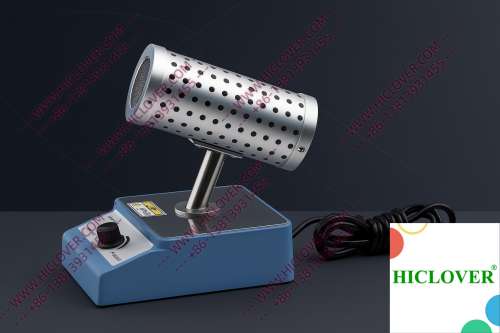
The Micro Incinerator operates on the principles of infrared heat, utilizing a high-temperature ceramic heating chamber that provides swift and uniform heating. Unlike its traditional flame-based counterparts, the Micro Incinerator ensures aerosol-free handling and is designed for clean-bench-safe operations. The enclosed ceramic tube eliminates open flames, thereby reducing the risk inherent in open flame methods, especially in cleanroom environments.
Key Features of the Micro Incinerator
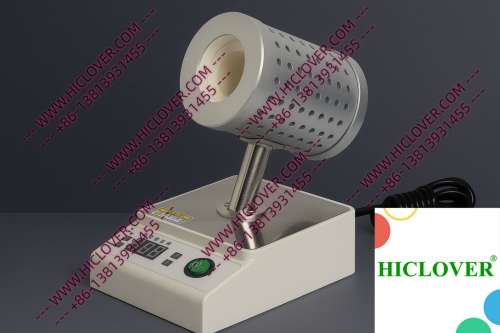
- Rapid Thermal Sterilization: Achieves sterilization in seconds.
- Eliminates Contamination Risk: Infrared technology minimizes aerosol generation.
- Compact Design: Ideal for space-constrained labs and easy transport.
- Energy Efficient: Consumes less energy compared to flame sterilizers.
- Easy to Use: Simple operational process with reduced training time for staff.
Real-World Applications in Laboratories
The Micro Incinerator finds extensive applications across various laboratory settings. Below are two significant application scenarios:
1. Biosafety Cabinets
In BSL-2 microbiology labs, the Micro Incinerator becomes a pivotal tool for sterilizing inoculating loops and other small equipment. Its installation within biosafety cabinets enhances workflow by allowing quick sterilization without compromising the clean environment. Lab technicians can rapidly prepare tools required for microbial culture without the risk of flame-contaminated air circulating in the cabinet.
2. Mobile Field Testing Labs
Fieldwork often exposes researchers to unpredictable environments, where traditional sterilization methods may be impractical. Here, the Micro Incinerator shines as a portable, safe, and efficient option. Its compact design allows easy transportation and usage in outdoor settings, ensuring that researchers can maintain high sterilization standards even in mobile or remote labs.
Compliance and Environmental Considerations
In alignment with WHO biosafety regulations, the adoption of sterilization equipment that minimizes risk is paramount. Labs operating under stringent sterilization standards benefit greatly from the Micro Incinerator due to its inherent design that supports safe operations in cleanrooms. The absence of open flames helps maintain an uncontaminated atmosphere, essential for sensitive experiments and diagnostics.
Compliance Overview
| Feature | Micro Incinerator | Traditional Flame Sterilizer |
|---|---|---|
| Risk of Aerosol Formation | None | High |
| Energy Efficiency | High | Low |
| Temperature Control | Precise | Inconsistent |
| Usage in Cleanrooms | Safe | Not Recommended |
Frequently Asked Questions
1. How quickly does the Micro Incinerator achieve sterilization?
The Micro Incinerator can achieve complete sterilization in under 10 seconds, making it ideal for rapid workflows.
2. Is the Micro Incinerator suitable for use in cleanrooms?
Yes, its design eliminates open flames, making it suitable for use in cleanroom environments.
3. What types of applications can the Micro Incinerator be used for?
This sterilizer is used in microbiology labs, clinical diagnostics, university teaching labs, and even in field testing environments.
4. How does the Micro Incinerator compare to traditional flame sterilizers?
The Micro Incinerator offers superior safety, energy efficiency, and rapid sterilization, while minimizing contamination risks.
5. Can the Micro Incinerator be easily transported?
Yes, its compact design allows for easy transport, making it an excellent choice for mobile laboratories.
Conclusion
The Micro Incinerator or Infrared Inoculating Loop Sterilizer represents a significant leap forward in laboratory sterilization technology. By addressing the limitations of traditional flame sterilizers, it promotes a safer and more efficient workflow, particularly in environments where contamination control is critical. For labs looking to enhance their sterilization processes, incorporating the Micro Incinerator is not just an upgrade; it is an essential evolution in laboratory safety and effectiveness. Contact us today to learn more about our product range and how it can transform your laboratory’s sterilization practices.
Categories:
Tags: