
In today’s fast-paced laboratory environment, maintaining biosafety standards while ensuring efficient sterilization workflows is critical. As labs increasingly adopt advanced sterilization technologies, the integration of equipment like the Micro Incinerator, also known as the Infrared Inoculating Loop Sterilizer, represents a game-changing innovation that addresses both these challenges. The pressing demand for rapid thermal sterilization methods, paired with the need to minimize contamination risks, necessitates a closer look at these modern solutions.
The Technical Principles Behind Micro Incinerators
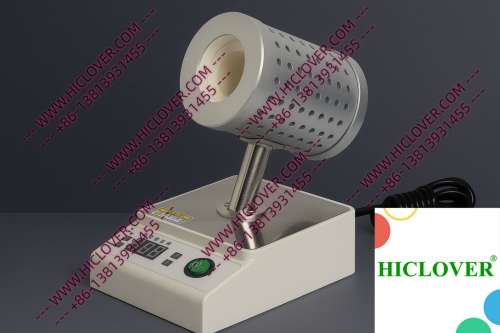
The Micro Incinerator operates on the principles of infrared high-temperature disinfection, utilizing an enclosed ceramic tube to rapidly and effectively sterilize inoculating loops and other lab instruments. This system leverages infrared heat, which provides a uniform distribution of temperature, reaching sterilization levels in a matter of seconds. For **Biosafety Level 2 (BSL-2)** and **Biosafety Level 3 (BSL-3)** labs, the device is engineered to meet rigorous safety standards, significantly reducing the risk of aerosol production commonly associated with traditional flame sterilizers, such as alcohol lamps and Bunsen burners.
- Rapid Action: Sterilizes in seconds to streamline workflows.
- Contamination Control: Eliminates risks of aerosol exposure.
- Enclosed Design: Enhances safety within clean environments.
Application Scenarios in Real Labs
To understand the practical applications of the Micro Incinerator, let’s explore two distinct laboratory settings:
Biosafety Cabinets in Microbiology Labs
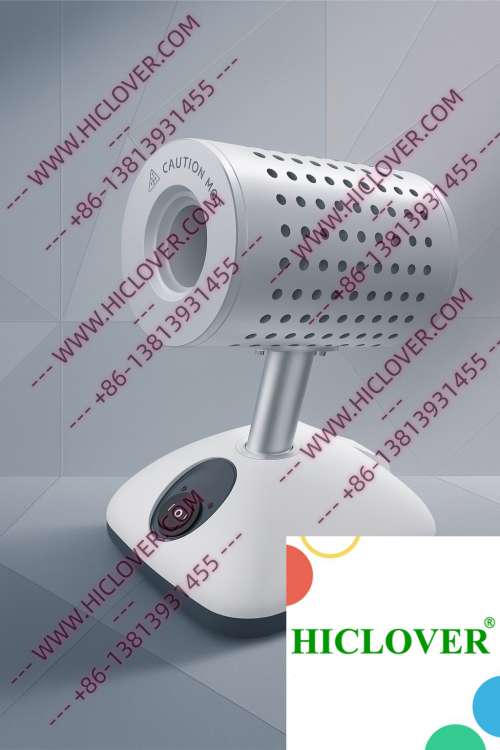
In microbiology labs, where pathogens are handled, maintaining a sterile environment is essential. Micro Incinerators installed within biosafety cabinets allow researchers to conveniently and swiftly sterilize inoculating loops without introducing external contaminants. The closed-chamber system’s clean-bench-safe design prevents any flame hazards and significantly reduces the risk of a biohazard leak, allowing for increased confidence in handling sensitive materials.
Field Testing and Teaching Laboratories
Field testing environments pose unique challenges, particularly concerning sterilization workflows. The portability and efficiency of Micro Incinerators make them particularly valuable in these settings. For instance, in mobile labs conducting field studies on environmental samples, researchers can ensure rapid thermal sterilization of equipment without reliance on traditional flame methods. Similarly, in university teaching labs, students can learn safe lab practices with the micro-incinerator, reinforcing safety protocols.
Compliance and Environmental Considerations
Lab sterilization standards are governed by several regulatory bodies, including the World Health Organization (WHO), which emphasizes the importance of stringent biosafety practices. Micro Incinerators align with these regulations by providing a flame-free sterilization solution, essential for maintaining clean room environments. Their design mitigates risks associated with open flames, such as fire hazards and toxic fume emissions, thereby supporting laboratory compliance with safety protocols.
“The adoption of closed-chamber systems like Micro Incinerators reflects a significant shift towards enhancing biosafety in research labs.” – Lab Safety Expert
Comparison: Micro Incinerator vs. Traditional Flame Sterilizers
The following table compares the Micro Incinerator with traditional flame sterilizers, highlighting key advantages in laboratory settings:
| Feature | Micro Incinerator | Flame Sterilizers |
|---|---|---|
| Speed of Sterilization | Seconds | Minutes |
| Safety | Flame-free | Open flame risk |
| Contamination Control | High | Variable |
| Portability | Mobile design | Often bulky |
| Maintenance | Low | Medium to high |
FAQs About Micro Incinerators
1. How does a Micro Incinerator ensure effective sterilization?
The Micro Incinerator employs infrared heat to rapidly reach sterilization temperatures within seconds, providing thorough disinfection without the hazards of open flames.
2. Can Micro Incinerators be used in teaching labs?
Yes, Micro Incinerators are ideal for educational institutions as they promote safe sterilization practices without the risks associated with traditional flame methods.
3. What are the maintenance requirements for a Micro Incinerator?
Micro Incinerators require minimal maintenance, mainly focusing on ensuring the ceramic tube remains clean and functional throughout regular use.
4. Are there any safety regulations to follow when using a Micro Incinerator?
Yes, users must ensure compliance with local and international biosafety standards, including those set forth by WHO and equivalent health authorities.
5. How does the Micro Incinerator compare to alcohol lamps?
Unlike alcohol lamps, which can pose fire hazards, the Micro Incinerator offers a flameless solution that eliminates aerosol risk while efficiently sterilizing lab instruments.
Conclusion: Transform Your Laboratory Practices
The rise of advanced sterilization technologies like the Micro Incinerator effectively meets laboratory sterilization demands while enhancing user safety and compliance with regulations. By integrating this innovative solution into your laboratory protocols, you not only improve workflow efficiency but also reinforce your commitment to biosafety standards. For more information on acquiring the Micro Incinerator, reach out to us today and elevate your laboratory’s sterilization practices to the next level!
Categories:
Tags: