
Maintaining laboratory biosafety is a critical challenge faced by professionals in microbiology labs across Sweden. Traditional sterilization methods, such as the use of alcohol lamps and Bunsen burners, pose inherent risks due to open flames and the potential for aerosol generation. As the demand for safer, more efficient sterilization workflows grows, an innovative solution has emerged: the Micro Incinerator or Infrared Inoculating Loop Sterilizer. This article explores the impressive features, applications, compliance aspects, and benefits of these cutting-edge sterilization devices in the context of Swedish healthcare.
Challenges in Laboratory Sterilization Workflows
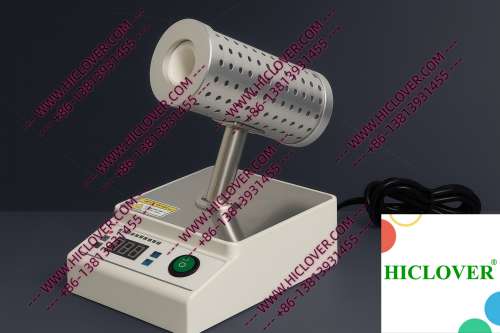
Contamination control is paramount in laboratories, particularly in BSL-2 and BSL-3 environments where pathogens can pose serious health risks. Traditional sterilization techniques often require multiple steps and can be time-consuming, leading to potential delays in critical laboratory work. The need for a quicker, safer method has sparked interest in advanced sterilization technologies. Here, loop sterilizers stand out for their ability to facilitate rapid thermal sterilization without the associated hazards of open flames, promoting a cleaner and more efficient working atmosphere.
Technical Principles of Infrared Loop Sterilizers
The Micro Incinerator utilizes infrared heating technology to provide an enclosed ceramic tube environment for sterilization. This device generates high temperatures almost instantaneously, enabling the rapid sterilization of inoculating loops, needles, and other laboratory instruments. The compact design allows for easy integration into various laboratory settings, including biosafety cabinets, without compromising safety or accessibility.
Key features of the Micro Incinerator include:
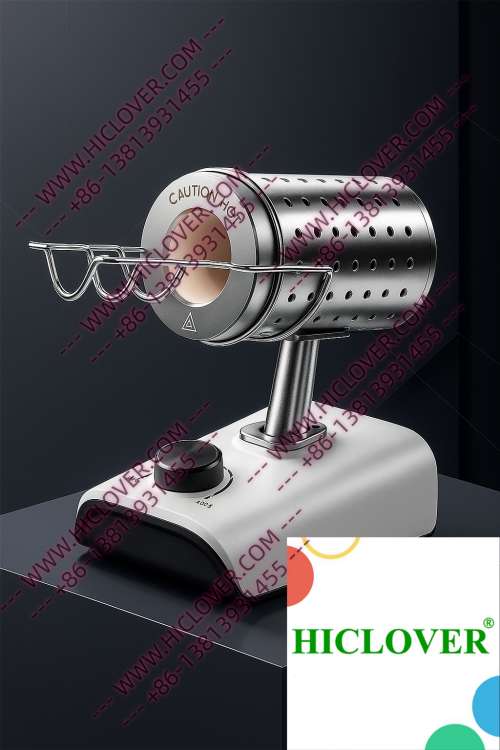
- Rapid Thermal Sterilization: Heating elements achieve sterilization temperatures within seconds.
- Aerosol-Free Handling: The enclosed chamber minimizes exposure to aerosols, enhancing safety.
- Clean-Bench-Safe: Suitable for use in cleanrooms and biosafety cabinets.
- Low Energy Consumption: An efficient power supply reduces energy costs.
Application Scenarios in Real Laboratories
In the realm of biosafety, the advantages of loop sterilizers have proven indispensable in various applications:
1. University Teaching Labs
In educational environments, where students perform microbiological experiments, the Micro Incinerator facilitates a safe and efficient learning experience. Instructors can demonstrate the principles of aseptic techniques without the inherent risks of open flames, allowing students to focus on their practical skills. Its compact size makes it easy to incorporate into standard laboratory setups.
2. Clinical Diagnostics
For clinical diagnostics in hospitals and research centers, maintaining a sterile environment is crucial. The infrared inoculating loop sterilizer is perfectly suited for rapid sterilization between samples, ensuring that cross-contamination is minimized. Its reliable performance under demanding conditions assures healthcare professionals that they can confidently conduct necessary procedures while adhering to global biosafety standards.
Biosafety Compliance and Environmental Impact
Our global commitment to biosafety standards is increasingly essential in laboratory environments. The World Health Organization (WHO) has set forth guidelines that underscore the importance of safe laboratory practices. Loop sterilizers align with these standards; unlike traditional flame sterilizers, they eliminate the risk of flame-related hazards in cleanrooms and biosafety cabinets, thereby enhancing compliance with both local and international regulations.
Moreover, when considering environmental impact, infrared loop sterilizers are designed to minimize energy consumption while providing efficient sterilization. By reducing the reliance on alcohol or gas fuels, they support a more sustainable practice among Swedish laboratories, especially in the context of climate considerations prevalent in Scandinavian healthcare reforms.
Micro Incinerators vs. Traditional Flame Sterilizers: A Comparative Overview
| Features | Micro Incinerator | Flame Sterilizers |
|---|---|---|
| Heating Time | Seconds | Minutes |
| Aerosol Risk | Low | High |
| Compliance with Cleanroom Standards | Yes | No |
| Energy Efficiency | High | Variable |
Frequently Asked Questions (FAQs)
What is a Micro Incinerator?
A Micro Incinerator is an advanced sterilization device that employs infrared heat to sterilize inoculating loops and other laboratory instruments rapidly and safely.
How does the Micro Incinerator improve biosafety in my lab?
By providing a flame-free environment and minimizing aerosol exposure, the Micro Incinerator significantly enhances biosafety in laboratories, particularly in cleanroom operations.
Where can I use a Micro Incinerator?
Micro Incinerators are versatile and can be utilized in university labs, clinical diagnostics, field test settings, and even in mobile research units.
Are Micro Incinerators compliant with the latest laboratory standards?
Yes, Micro Incinerators comply with WHO biosafety standards and are safe for use in BSL-2 and BSL-3 environments.
What are the benefits of using a Micro Incinerator over traditional methods?
Micro Incinerators offer rapid sterilization, reduced contamination risks, lower energy requirements, and enhanced compliance with modern biosafety regulations compared to traditional flame sterilizers.
Conclusion
The Micro Incinerator and Infrared Inoculating Loop Sterilizer represent a pivotal advancement in laboratory sterilization technology. By prioritizing safety, efficiency, and compliance, these devices are meeting the evolving needs of laboratories throughout Sweden. If your lab is looking to improve sterilization workflows and enhance biosafety, we encourage you to reach out for more information or to request a demonstration of the benefits that the Micro Incinerator can bring to your operations.
Categories:
Tags: