
In the fast-paced world of laboratory research and diagnostics, biosafety challenges continue to escalate. Maintaining stringent sterilization protocols is crucial for preventing contamination and ensuring reliable results. Among the various sterilization devices available, Micro Incinerators, or Infrared Inoculating Loop Sterilizers, stand out as innovative solutions that address both workflow demands and compliance requirements. This article dives into the technical principles, application scenarios, and the critical aspects of using such devices in laboratory settings.
The Need for Efficient Sterilization in Laboratories
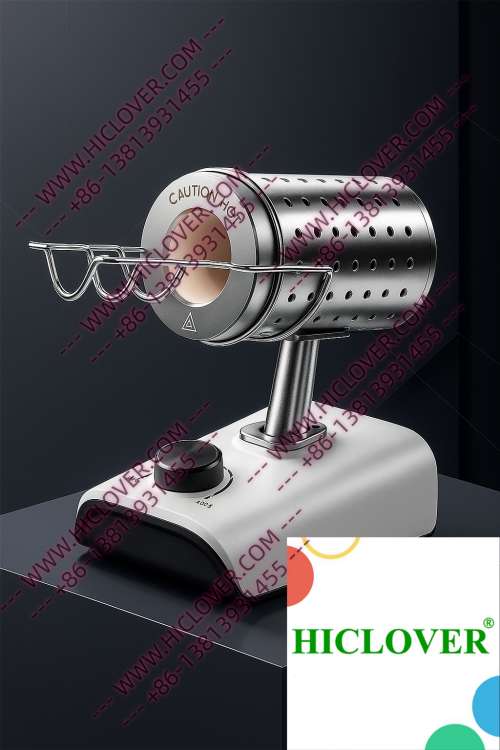
Laboratory sterilization equipment plays a pivotal role in safeguarding both personnel and experimental integrity. As labs, particularly those operating under BSL-2 and BSL-3 conditions, face increasing pressure to minimize risks associated with microbial contamination, an effective sterilization workflow becomes paramount. The disparity in safety and efficacy between traditional open flame sterilizers, such as alcohol lamps and Bunsen burners, and the modern Micro Incinerator is becoming clearer.
Understanding the Micro Incinerator: Technical Principles
The Micro Incinerator operates using advanced infrared heating technology. Instead of the exposed flames typical of traditional methods, this device utilizes a ceramic heating chamber enclosed within an aluminum casing. By harnessing infrared heat, it provides rapid thermal sterilization, reaching high temperatures efficiently and effectively.
One distinct advantage of this technology is its capability for aerosol-free handling. It eliminates the risks associated with potential flammable materials often used in traditional heat sources. Moreover, the enclosed structure ensures that heat is focused and not dissipated into the laboratory environment, lowering the chances of burns or accidents.
Application Scenarios in Real Labs
-
Biosafety Cabinet Applications
In a BSL-3 microbiology lab, the Micro Incinerator is crucial for sterilizing inoculating loops and needles prior to manipulating pathogenic cultures. Its ability to deliver high-temperature disinfection without generating aerosols makes it an ideal candidate for environments where contamination control is critical.
-
Field Testing Scenarios
During mobile lab operations for field testing, researchers may encounter situations where traditional sterilizers are impractical. The Micro Incinerator’s compact design and rapid operation allow for easy integration into portable field kits, ensuring effective sterilization irrespective of location.
Compliance and Environmental Considerations
Adhering to safe work practices is pivotal in laboratory environments. The World Health Organization (WHO) endorses strict biosafety regulations that dictate the use of non-flammable sterilization methods in clean rooms and BSL facilities. The Micro Incinerator stands in full compliance with these standards, providing a sterilization solution that meets the environmental and safety requirements established for modern laboratories.
In contrast to traditional methods, using an open flame in clean rooms poses several challenges: uncontrolled emissions, potential fire hazards, and air quality concerns. The Micro Incinerator ensures a clean workspace by mitigating these issues, thereby enhancing the overall safety and hygiene of the lab environment.
Comparative Overview: Micro Incinerator vs. Traditional Flame Sterilizers
| Feature | Micro Incinerator | Flame Sterilizers |
|---|---|---|
| Safety | Non-flammable, aerosol-free | Flammable, higher risk of burns |
| Efficiency | Rapid thermal sterilization | Slower heating time |
| Portability | Compact, field-ready | Bulky and less portable |
| Environmental Impact | Low emissions | Higher emissions, impacting air quality |
Frequently Asked Questions
-
What are the primary benefits of using a Micro Incinerator in lab settings?
The primary benefits include enhanced safety due to its flame-free operation, quicker sterilization cycles, and improved compliance with regulatory standards.
-
How does the Micro Incinerator compare cost-wise to traditional sterilizers?
While the initial investment may be higher, the long-term savings from reduced material costs and decreased risk of lab accidents can outweigh the upfront costs.
-
Can the Micro Incinerator be used in non-laboratory settings?
Yes, it’s versatile enough to be employed in educational settings, field research operations, and even some clinical environments where contamination prevention is essential.
-
Is training required to operate a Micro Incinerator?
Though user-friendly, proper training is advisable to ensure optimal and safe operation within laboratory protocols.
-
How do I maintain my Micro Incinerator for long-term use?
Regular checks on the heating elements and routine cleaning can ensure its effectiveness and prolong its lifespan.
Conclusion: Elevating Laboratory Standards with the Micro Incinerator
As laboratories continue to evolve amidst growing biosafety challenges, choosing the right sterilization solutions becomes increasingly important. The Micro Incinerator stands out as a model of safety, efficiency, and compliance, addressing the demands of modern laboratory workflows. If your institution is ready to enhance its sterilization protocols, consider integrating a Micro Incinerator into your biosafety measures.
Contact us to discover more about how our innovative sterilization solutions can meet your laboratory needs. Elevate your laboratory’s standards today!
Categories:
Tags: