
As laboratories advance in their research capabilities, the demand for efficient and effective sterilization methods intensifies. In environments where biosafety is paramount, such as BSL-2 and BSL-3 microbiology labs, traditional sterilization methods like alcohol lamps and Bunsen burners often fall short. These methods pose risks of contamination and are not suitable for clean-room conditions. Therefore, innovations in laboratory sterilization equipment, particularly the Micro Incinerator or Infrared Inoculating Loop Sterilizer, are becoming essential tools for maintaining a sterile working environment.
Understanding the Technical Principles
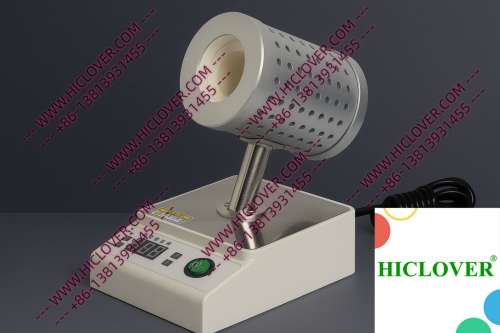
The Micro Incinerator stands out due to its advanced use of infrared heat for rapid thermal sterilization. This state-of-the-art device utilizes an enclosed ceramic tube that reaches high temperatures almost instantaneously, ensuring efficient disinfection of inoculating loops and other lab tools. Unlike traditional flame sterilizers, the infrared heating method not only enhances safety—by eliminating open flames—but also offers the advantage of precise temperature control, minimizing the risk of overheating sensitive instruments.
Advantages of Micro Incinerators Over Traditional Flame Sterilizers
- Rapid sterilization: Infrared technology provides faster heating than alcohol lamps.
- No flame: Mitigates risks associated with flammable materials in clean environments.
- Minimal aerosol production: Enhances contamination control, especially in sterile settings.
- Energy-efficient: Lower energy consumption compared to gas burners.
- User-friendly: Requires less training than handling open flames.
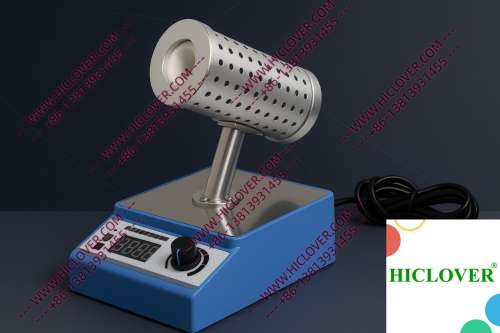
Application Scenarios in Real Laboratories
1. Biosafety Cabinets in Microbiology Labs
In a busy microbiology lab, researchers routinely work with pathogens and sensitive cultures. The Micro Incinerator fits seamlessly within biosafety cabinets, where maintaining a contamination-free workspace is critical. For instance, after transferring a culture from a petri dish to an inoculation loop, a researcher can quickly sterilize the loop using the infrared sterilizer before transferring the next sample. This streamlined process reduces the likelihood of cross-contamination, ensuring reliable experimental results.
2. Field Testing for Environmental Studies
In the field, particularly during environmental health studies, there is often a lack of access to traditional sterilization methods. Here, the portability of the Micro Incinerator becomes invaluable. Field researchers can carry the compact sterilizer to various sites, ensuring that all sampling equipment is sterilized on-site. The quick, effective sterilization allows for seamless continuation of work without the need for complex equipment that is difficult to transport.
Compliance with Biosafety Standards
Ensuring compliance with biosafety standards is vital for laboratories involved in clinical diagnostics and research. The World Health Organization (WHO) outlines strict guidelines regarding lab sterilization practices, especially when working with infectious agents. The use of traditional flame sterilizers often contravenes these standards due to the risk of aerosol contamination and the potential for ignition of flammable materials. Using a Micro Incinerator not only adheres to these regulations but enhances overall safety and efficacy in laboratory operations.
Regulations and Environmental Considerations
Many countries have implemented stringent policies regarding lab safety and sterilization, focusing on minimizing environmental impact and ensuring the safety of laboratory personnel. For example, in many European countries, laboratory activities must comply with ISO 13485:2016 for quality management systems. The Micro Incinerator, with its energy-efficient design and reduced contamination risk, aligns with such regulations, making it an ideal choice for facilities aiming for compliance and environmental responsibility.
Frequently Asked Questions (FAQs)
1. How does a Micro Incinerator differ from a traditional alcohol lamp?
Micro Incinerators use infrared technology for efficient and rapid sterilization, eliminating the open flames associated with alcohol lamps, thereby increasing safety and minimizing contamination risk.
2. Can the Micro Incinerator be used in clean rooms?
Yes, the absence of open flames and the aerosol-free operation of the Micro Incinerator make it suitable for use in clean rooms and biosafety cabinets.
3. What is the maintenance required for a Micro Incinerator?
Maintenance is minimal, primarily involving the cleaning of the ceramic heating element and ensuring the device is kept free from debris.
4. Is the Micro Incinerator portable for field use?
Absolutely! Its lightweight and compact design make it perfect for field testing and outdoor laboratory environments.
5. How can I introduce the Micro Incinerator into my lab workflow?
Begin by replacing traditional flame sterilizers with the Micro Incinerator in designated sterilization stations, training staff on its operation, and integrating it into standard protocols.
Conclusion: Embrace Innovation for a Safer Lab Environment
Switching to advanced sterilization techniques like the Micro Incinerator not only elevates your laboratory’s safety standards but also enhances workflow efficiency. With its rapid thermal sterilization capabilities and adherence to stringent biosafety regulations, it’s time to consider upgrading your lab’s sterilization methods. For inquiries or to purchase a Micro Incinerator, feel free to reach out to us for tailored solutions that meet your laboratory’s unique needs.
Categories:
Tags: