
Maintaining high levels of biosafety in microbiology labs is paramount to protecting both valuable samples and the researchers handling them. The increasing focus on precision and contamination control drives an urgent need for efficient sterilization methods in various laboratory environments, including BSL-2 and BSL-3 microbiology labs. With the introduction of advanced laboratory sterilization equipment, such as the Micro Incinerator or Infrared Inoculating Loop Sterilizer, the methodology of sterilization in biosafety cabinets and field testing scenarios is becoming more streamlined and effective.
Challenges in Laboratory Sterilization Workflow
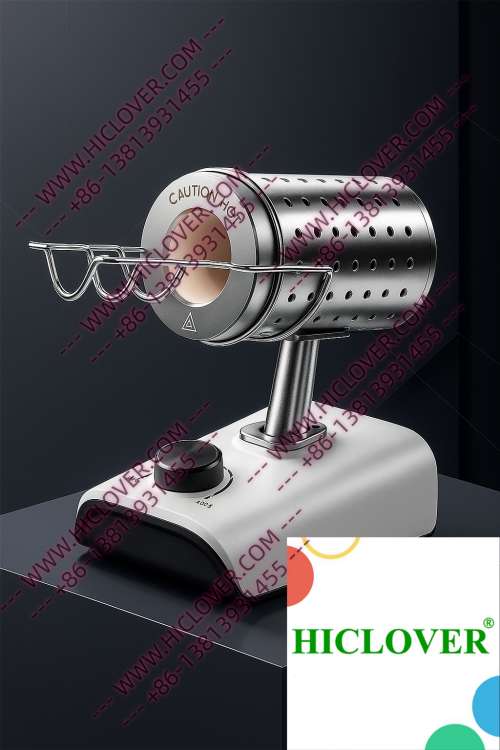
Laboratories often face practical challenges when dealing with the sterilization workflow. Traditional equipment such as alcohol lamps and Bunsen burners, while commonly used, pose risks including flame exposure, the potential creation of aerosols, and difficulty in achieving uniform disinfection. These factors make them less ideal for clean environments where contamination must be meticulously avoided. Moreover, the manual handling of inoculating loops involves transfer risks and inconsistencies that can lead to cross-contamination in sensitive microbiological experiments.
The Technical Principles Behind Micro Incinerators
The Micro Incinerator operates on the principle of infrared heat. This device utilizes an enclosed ceramic heating chamber designed to reach high temperatures rapidly, enabling instantaneous sterilization of inoculating loops and other small tools. The infrared technology allows for a quick and uniform application of heat, effectively eliminating microorganisms without the risks associated with open flames. This high-temperature disinfection is crucial in reducing the possibility of sampled contamination during laboratory or field use.
Applications of Advanced Sterilization Equipment
Various laboratory environments benefit from the use of Micro Incinerators. Here are two notable application scenarios:
- Biosafety Cabinets: In BSL-2 and BSL-3 labs, the Micro Incinerator provides an essential sterilization method for handling infectious agents. When used within a biosafety cabinet, it minimizes risk by ensuring that tools are sterilized without introducing aerosols into the workspace, thereby protecting both researchers and samples from contamination.
- Field Testing Labs: In mobile or field testing scenarios, where traditional sterilization methods may be impractical, the portability and efficiency of the Micro Incinerator allow researchers to conduct accurate microbial analyses in diverse environments, such as agricultural fields or public health investigations.
Compliance with Biosafety Standards
Globally recognized biosafety standards are critical in ensuring that laboratory practices are stringent and effective. The World Health Organization (WHO) emphasizes the need for safe laboratory practices through guidelines that prioritize sterilization. Furthermore, laboratory sterilization standards dictate that environments, particularly clean rooms and BSL-2/3 facilities, should not utilize flame sterilizers due to risks associated with open flames and potential changes to airflow dynamics. Therefore, the use of non-flame sterilization methods like the Micro Incinerator is essential for compliance with these regulations, improving overall safety in the laboratory landscape.
Micro Incinerator vs. Traditional Flame Sterilizers: A Comparison
| Feature | Micro Incinerator | Flame Sterilizers |
|---|---|---|
| Heating Method | Infrared heat | Open flame (Bunsen, Alcohol lamp) |
| Risk of Aerosols | No aerosols | Potential aerosols created |
| Ease of Use | Quick and efficient | Requires skill to maintain consistent heat |
| Portability | Highly portable | Less portable |
| Safety | Clean-bench-safe | Fire hazards present |
Frequently Asked Questions
What is a Micro Incinerator used for in microbiology?
A Micro Incinerator is primarily used for rapid thermal sterilization of inoculating loops and other laboratory tools, ensuring a contamination-free work environment in microbiology labs.
How does infrared sterilization compare to traditional methods?
Infrared sterilization provides a safer, cleaner, and faster alternative to traditional flame methods, eliminating the risks of aerosol creation and open flames while ensuring effective disinfection.
Can the Micro Incinerator be used in field testing?
Yes, it is particularly useful in mobile field testing labs due to its portability and efficiency, allowing accurate sample handling even in challenging environments.
Is the Micro Incinerator compliant with WHO biosafety standards?
Absolutely! The Micro Incinerator adheres to WHO guidelines and laboratory sterilization standards, making it an ideal choice for maximizing safety in controlled laboratory environments.
What are the main advantages of using a Micro Incinerator over a Bunsen burner?
The main advantages include enhanced safety, rapid sterilization without aerosol production, ease of use, and no risk associated with open flames, all of which contribute to a contamination-free laboratory space.
Conclusion
Investing in a Micro Incinerator or Infrared Inoculating Loop Sterilizer not only bolsters laboratory safety but also significantly improves workflow efficiency and compliance with industry standards. As research continues to evolve, enhancing sterilization practices remains an essential goal in every microbiology lab—be it a clinical diagnostic facility or a university teaching lab. For inquiries about our advanced laboratory sterilization equipment, please reach out to us for tailored solutions that meet your specific needs.
Categories:
Tags: