
Laboratories today face increasing pressures to maintain high standards of sterilization while managing resources efficiently. Traditional sterilization methods, such as Bunsen burners and alcohol lamps, often fall short when it comes to meeting modern biosafety demands. Laboratory professionals require reliable solutions that can effectively eliminate contamination without compromising safety or workflow efficiency. A notable innovation addressing these challenges is the Micro Incinerator, or Infrared Inoculating Loop Sterilizer, known for its rapid thermal sterilization capabilities.
Technical Principles Behind Infrared Sterilization
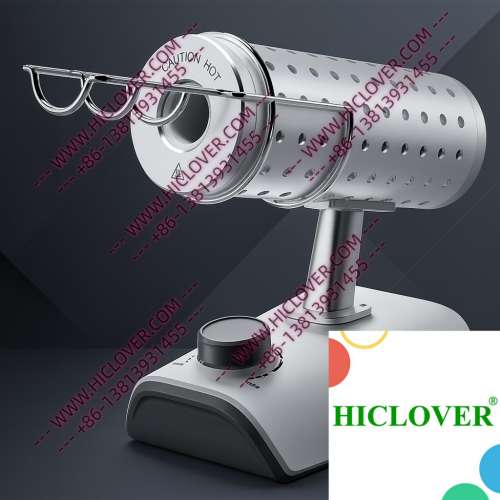
The Micro Incinerator operates on the fundamental principle of infrared heat generation. This device features an enclosed ceramic heating chamber that delivers high-temperature disinfection without the need for open flames. The ceramic tube quickly reaches the necessary temperatures (up to 900°C) within moments, providing a fast and efficient means of sterilizing inoculating loops, needles, and other laboratory implements.
This rapid sterilization method is particularly advantageous in facilities with stringent biosafety protocols, ensuring reliable contamination control and minimizing downtime. Moreover, the specific design helps in achieving clean-bench-safe operations, making it an excellent choice for BSL-2 and BSL-3 microbiology labs.
Applications in Real Laboratory Settings
1. Biosafety Cabinets and Clean Rooms
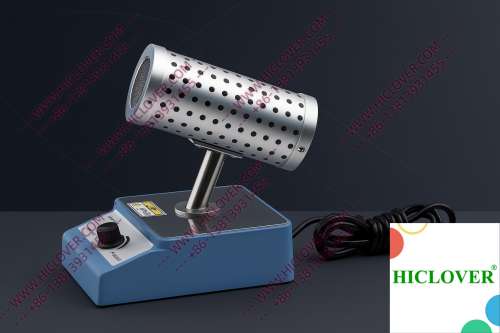
In high-security environments, such as biosafety cabinets and clean rooms, the need for an unwavering sterilization protocol cannot be overstated. The Micro Incinerator’s flame-free features greatly reduce the risk of fire hazards and ensure that sterilization tasks can proceed without the interference of traditional flame methods. Its compact nature allows easy integration within existing workflows, making it an ideal fit for laboratories engaged in clinical diagnostics and microbiological research.
2. University Teaching Labs
University teaching labs are another critical application area where the Micro Incinerator shines. Educators require tools that not only simplify the teaching process but also instill a culture of safety and compliance among students. With its ease of use, instructors can demonstrate sterilization protocols effectively while minimizing the associated risks of handling open flames. This ensures that new generations of scientists enter the field with a solid understanding of modern sterilization practices.
Compliance with Biosafety Standards
Regulatory compliance is paramount in laboratory operations. The global guidelines established by the World Health Organization (WHO) outline comprehensive biosafety requirements for laboratory facilities, ensuring personnel and environmental protection. The Micro Incinerator meets or exceeds these standards by offering a solution that eliminates flames in clean rooms—significantly reducing aerosol generation. In many countries, including those in Europe and North America, adherence to laboratory sterilization standards (such as the ISO 15189 and CLIA) is non-negotiable.
- Safe for use in BSL-2 and BSL-3 labs.
- Enhances workflow efficiency with rapid heating.
- Reduces contamination risk with flame-free operation.
- Meets WHO biosafety guidelines for laboratory environments.
Comparison: Micro Incinerator vs. Traditional Flame Burners
| Feature | Micro Incinerator | Traditional Flame Burners |
|---|---|---|
| Heating Time | Seconds | Minutes |
| Safety | Flame-free | Open flame |
| Precision | High-temperature control | Variable |
| Contamination Risk | Minimal | Higher due to aerosols |
| Portability | Compact and lightweight | Heavier and less portable |
FAQs About Micro Incinerators
What is a Micro Incinerator used for?
A Micro Incinerator is primarily used for the sterilization of inoculating loops, needles, and other small laboratory instruments through rapid thermal sterilization.
How does the Micro Incinerator ensure safety in the lab?
Its flame-free operation greatly reduces the risk of fire hazards and minimizes the generation of aerosols, making it suitable for use in sensitive environments.
Can the Micro Incinerator be used in field testing labs?
Yes, due to its compact and lightweight design, the Micro Incinerator can be easily transported and used in field testing labs while ensuring effective sterilization protocols are followed.
How does the Micro Incinerator contribute to compliance with laboratory standards?
The Micro Incinerator adheres to WHO biosafety guidelines and laboratory sterilization standards, ensuring a compliant and safe working environment.
Is there a preferred brand or model for university teaching labs?
While several brands offer Micro Incinerators, it’s essential to choose a model that ensures ease of use and rapid heating to support efficient teaching practices.
Conclusion
In a landscape where laboratory safety and efficiency are crucial, the Micro Incinerator stands out as a game-changing tool. Its ability to maximize sterilization processes while aligning with biosafety compliance ensures that laboratories can operate effectively without sacrificing safety. Whether in a teaching laboratory, clinical diagnostics, or a BSL-2 setting, the Micro Incinerator offers a sophisticated solution for today’s demanding laboratory environments. For inquiries or to purchase, please reach out to our team—we are here to support your sterilization needs!
Categories:
Tags: