
In modern laboratories, maintaining biosafety while ensuring effective sterilization is a critical challenge. Laboratory professionals face increasing demands for efficient sterilization workflows, particularly in sensitive environments like BSL-2 and BSL-3 microbiology labs. The advent of digital loop sterilizers, specifically the Micro Incinerator or Infrared Inoculating Loop Sterilizer, presents a game-changing solution that combines cost-effectiveness with unparalleled reliability.
The Science Behind Infrared Technology
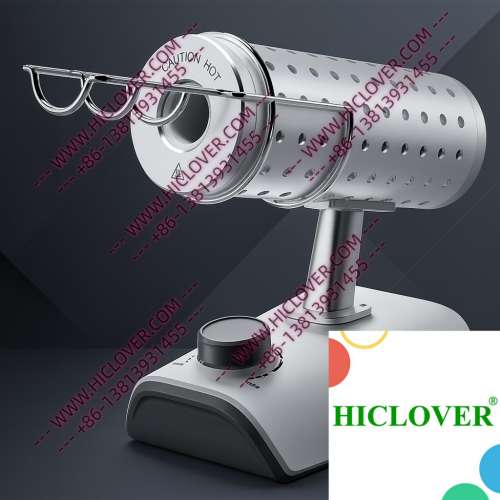
The Micro Incinerator utilizes infrared heat as its primary sterilization method. This technology harnesses the efficiency of an enclosed ceramic tube to generate high temperatures rapidly, ensuring a rapid thermal sterilization process. Unlike traditional flame sterilizers, these units provide a safer and more controlled environment for users, minimizing the risk of aerosol generation and contamination.
The ceramic heating chamber reaches temperatures necessary for complete microbial inactivation, while the absence of an open flame reduces the risk of igniting flammable substances, making it ideal for clean rooms and biosafety cabinets. This feature enhances the users’ operational safety while ensuring compliance with biosafety standards.
Practical Applications in Laboratory Settings
1. Field Testing and Mobile Labs
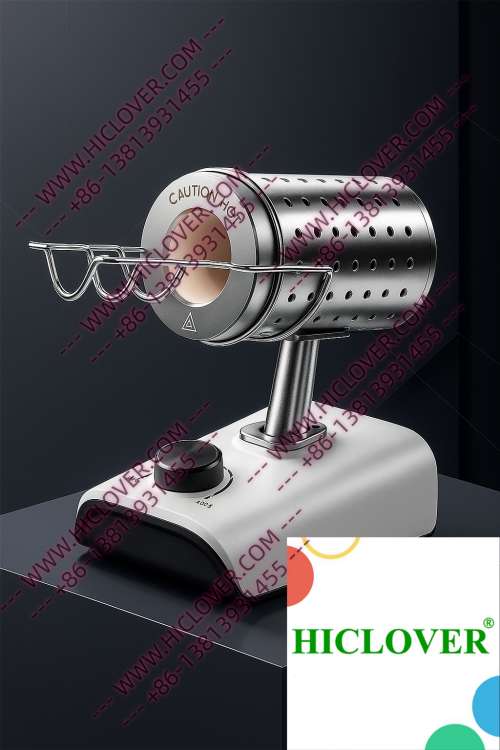
In field testing scenarios, where resources are limited, the portability and quick usability of the Micro Incinerator prove invaluable. For instance, researchers taking microbial samples in remote areas can sterilize their inoculating loops swiftly without reliance on an external power source or flammable materials. This capability enhances fieldwork effectiveness while ensuring samples remain uncontaminated during collection procedures.
2. University Teaching Labs
In educational settings, safety and efficiency are crucial when training future microbiologists. The Micro Incinerator allows students to practice sterile techniques in a controlled environment without the hazards posed by alcohol lamps or Bunsen burners. Instructors can confidently integrate this technology into their curriculum, emphasizing safe handling and sterilization protocols. Moreover, the ease of use encourages students to focus on learning rather than managing flame risks.
Ensuring Compliance with Safety Standards
When discussing laboratory sterilization solutions, compliance with recognized biosafety protocols is a significant aspect to consider. The World Health Organization (WHO) outlines comprehensive biosafety guidelines focusing on minimizing exposure to potentially infectious agents. Utilizing digital loop sterilizers aligns with these recommendations as they provide an aerosol-free method of sterilization, eliminating aerosolized contaminants that traditional flame-based methods may inadvertently cause.
Moreover, adhering to lab sterilization standards, such as those from the CDC and OSHA, is vital in preventing laboratory-acquired infections. The Micro Incinerator effectively meets these compliance requirements, making it a smart investment for both clinical diagnostics and academic institutions.
Advantages of Digital Loop Sterilizers Over Traditional Flame Sterilizers
When comparing the Micro Incinerator with traditional flame burners, several advantages stand out:
- Increased Safety: Eliminates the risk of flames in cleanroom conditions and reduces the possibility of fire hazards.
- Efficiency: Rapid thermal sterilization saves time, allowing for more efficient workflows.
- Cleaner Operation: No alcohol or open flames mean less risk of contamination and cleaner work surfaces.
- Ease of Use: User-friendly design requiring minimal maintenance and training for operators.
- Portability: Ideal for mobile applications, particularly in field testing and research.
Cost-Effectiveness and ROI Considerations
While initial investment costs for digital loop sterilizers may be higher than traditional methods, the long-term benefits far outweigh these upfront expenses. Digital loop sterilizers reduce costs associated with consumables, such as alcohol and lighter fuel, and contribute to lower overall laboratory operational costs by significantly decreasing the risk of sample contamination and material waste.
Frequently Asked Questions
What are the main advantages of using a Micro Incinerator compared to traditional methods?
The Micro Incinerator provides enhanced safety, rapid sterilization, aerosol-free operation, and ease of use, rendering it a superior choice for modern laboratories.
Can the Micro Incinerator be used in cleanroom environments?
Yes, it is designed for cleanroom compatibility due to its lack of open flames, ensuring a safer environment for sensitive experiments.
How does infrared heat sterilization work?
Infrared heat penetrates the microorganisms present on loops, rapidly raising the temperature to levels that ensure complete sterilization within seconds.
Is the Micro Incinerator suitable for educational purposes?
Absolutely! Its safety features make it an excellent choice for training students in sterile handling and microbiological techniques.
What compliance standards does the Micro Incinerator meet?
It aligns with WHO biosafety guidelines, CDC, and OSHA standards in laboratory sterilization practices.
Conclusion
In conclusion, investing in a Micro Incinerator or Infrared Inoculating Loop Sterilizer is a forward-thinking choice for any laboratory aiming to enhance biosafety, streamline operations, and maintain compliance with sterilization standards. By adopting this innovative technology, your laboratory can achieve superior contamination control while realizing significant cost savings over time.
For more information or to discuss how a Micro Incinerator can fit into your laboratory’s sterilization workflow, feel free to reach out today!
Categories:
Tags: