
In today’s fast-paced laboratory environments, maintaining stringent biosafety standards is vital to ensuring reliable research and accurate results. From university teaching labs to clinical diagnostics, the challenges of contamination control can create significant workflow demands. Traditional sterilization methods, such as alcohol lamps and Bunsen burners, often prove to be inadequate for modern laboratory needs. This is where advanced sterilization equipment, particularly the Micro Incinerator or Infrared Inoculating Loop Sterilizer, comes into play.
The Science Behind Infrared Sterilization
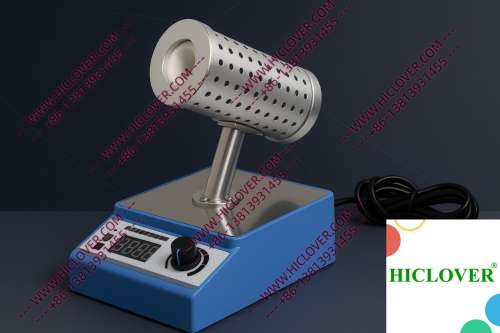
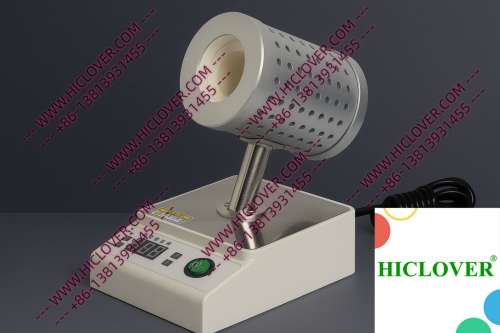
The Micro Incinerator utilizes rapid thermal sterilization through infrared heat, which is particularly effective at achieving high temperatures quickly. The key component is an enclosed ceramic heating chamber that reaches temperatures over 800°C, providing consistent high-temperature disinfection. Unlike conventional flame sterilizers, which can introduce aerosol contamination and flames that pose a risk in clean-room environments, the Micro Incinerator offers a clean-bench-safe solution. The infrared technology ensures that the heat is directed precisely where needed, significantly reducing the risk of cross-contamination.
Features of the Micro Incinerator
- Rapid Startup: Achieving operational temperatures within seconds.
- Safety: No open flame risk while ensuring efficient sterilization.
- Aerosol-free: Reduces risks associated with aerosol generation in sensitive environments.
- High Efficiency: Ideal for continuous use in busy labs.
- Compact Design: Easily fits into any lab space, enhancing workflow.
Real-World Applications of the Micro Incinerator
1. University Teaching Labs
In educational settings, fostering a safe learning environment is paramount. The Micro Incinerator provides students with hands-on experience in biohazard handling without the risks associated with traditional flame devices. Through its reliable sterilization capacity, instructors can focus on teaching core microbiology concepts, while ensuring that students practice contamination control in a safe manner.
2. Clinical Diagnostics and BSL-2 / BSL-3 Labs
Clinical diagnostics require stringent adherence to biosafety protocols. In BSL-2 and BSL-3 laboratories, where dangerous pathogens may be studied, the risk of contamination is critical. Using a Micro Incinerator in these settings allows practitioners to ensure that inoculating loops and other tools are sterilized rapidly without introducing flame hazards or aerosolized particles. This guards against potential outbreaks and ensures the integrity of test results.
Compliance with Biosafety Standards
Laboratories worldwide are governed by rigorous biosafety standards. Compliance with organizations such as the World Health Organization (WHO) and local regulations ensures that laboratories maintain high safety standards. The use of clean technologies is a significant consideration; for example, flame sterilizers are often prohibited in clean-room environments due to the risk of contamination. Employing the Micro Incinerator not only aids compliance but also reinforces a commitment to safe practices in microbiological research.
Biosafety Compliance Reference
In accordance with WHO guidelines, using equipment that minimizes contamination, such as the Micro Incinerator, is key to maintaining operational standards in microbiology labs.
Advantages Over Traditional Flame Sterilizers
When comparing sterilization equipment, the Micro Incinerator presents numerous advantages over traditional flame sterilizers:
| Feature | Micro Incinerator | Flame Burners |
|---|---|---|
| Startup Time | Seconds | Minutes |
| Flame Risk | No | Yes |
| Aerosol Generation | No | Yes |
| Ease of Use | Simple, one-button operation | Requires more skill |
Frequently Asked Questions
What makes the Micro Incinerator more reliable than a flame sterilizer?
The enclosed ceramic heating chamber allows for rapid and consistent high temperatures without the risks associated with open flames.
Can the Micro Incinerator be used in field testing labs?
Absolutely. Its compact design and rapid sterilization capabilities make it a great tool for mobile labs, ensuring sterilization on-site.
How does infrared heat work for sterilization?
Infrared heat targets pathogens and microbial life effectively by directly heating the tools, leading to rapid thermal sterilization without the by-products of combustion found in flame systems.
Is the Micro Incinerator compliant with international biosafety standards?
Yes, the Micro Incinerator meets WHO biosafety and accreditation standards, ensuring a safe and efficient sterilization solution for modern laboratories.
How does the cost of a Micro Incinerator compare to traditional methods?
While upfront costs may be higher for a Micro Incinerator, the long-term savings from reduced contamination incidents and efficient operation make it a cost-effective solution.
Conclusion
As laboratories evolve, so too do the demands of sterilization technologies. The Micro Incinerator/Infrared Inoculating Loop Sterilizer not only enhances laboratory safety through its innovative design and function but is also a step forward in biosafety compliance. Whether you are in a university, clinical setting, or conducting field tests, leveraging this advanced sterilization solution can lead to improved results and a reduction in contamination risks.
Contact us to learn more about how the Micro Incinerator can enhance your laboratory workflow or to place an order today!
Categories:
Tags: