
In the world of scientific research and laboratory operations, maintaining sterilization standards is non-negotiable. Laboratories, especially those dealing with BSL-2 and BSL-3 pathogens, face unique biosafety challenges every day. Traditional methods such as flame sterilizers, including alcohol lamps and Bunsen burners, are often inadequate. They carry risks such as flame exposure, potential aerosol contamination, and ineffective localized sterilization.
The Rise of Infrared Technology in Sterilization
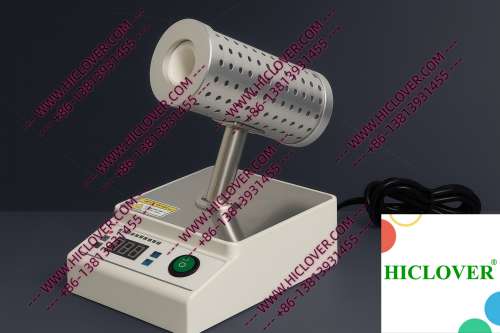
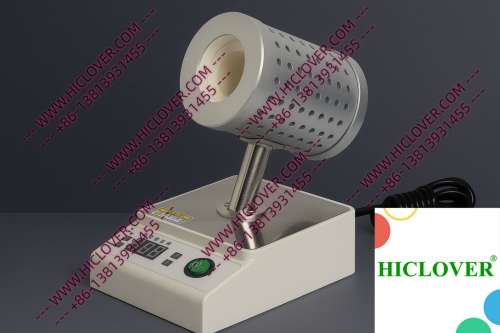
Micro Incinerators, or Infrared Inoculating Loop Sterilizers, have emerged as pivotal tools in addressing these challenges. Utilizing rapid thermal sterilization through infrared heat, these devices ensure efficient sterilization while being clean-bench-safe. Unlike traditional flame burners, Micro Incinerators operate in a closed ceramic heating chamber, providing direct heat without combustion by-products. This technology not only preserves the sterility of the laboratory environment but also ensures a user-friendly experience during inoculations and sample handling.
Technical Principles of Infrared Sterilization
At the heart of Micro Incinerators is the principle of infrared radiation. This technology generates heat that is absorbed by the contaminated tools and inoculating loops, instantaneously eliminating pathogens. The enclosed design of the ceramic tube disrupts any aerosol formation, allowing for safe and effective decontamination. Here are some technical features that make Micro Incinerators stand out:
- Rapid heating and cooling rates
- Consistent temperatures reaching up to 800°C
- Long lifespan of ceramic heating elements
- Portability for field testing scenarios
- Low energy consumption
- Environment-friendly operations, preventing harmful emissions
- Enhanced contamination control
- Compliance with laboratory safety regulations globally
Application Scenarios in Real Labs
Micro Incinerators are highly versatile and can be integrated into various laboratory environments. Here are two real-world applications:
1. Biosafety Cabinets
Biosafety cabinets are essential in research facilities for working with pathogens safely. The integration of Micro Incinerators into these cabinets allows researchers to sterilize instruments immediately after use without introducing potential contaminants via open flames. The infrared sterilizer’s enclosed heating mechanism provides an additional protective barrier, ensuring the integrity of the biosafety cabinet environment.
2. Teaching Labs
In university settings, educators often face the challenge of demonstrating proper sterilization techniques to students while ensuring safety. Micro Incinerators serve as an excellent surrogate for traditional flame sterilizers. They eliminate the risk of burns and provide a straightforward visual reference for the sterilization process, enabling effective educational training without compromising lab safety.
Ensuring Compliance with Biosafety Standards
Compliance with international biosafety standards is crucial in any laboratory. The World Health Organization (WHO) emphasizes the necessity of effective sterilization methods to minimize contamination risks. Unlike flame sterilizers which are deemed unsuitable in cleanroom environments, Micro Incinerators align with modern sterilization standards. They offer:
In regions like Europe, where laboratory protocols are stringent, Micro Incinerators meet the stringent sterilization demands outlined by governing bodies. The absence of open flames makes them ideal for sensitive areas such as CO₂ incubator operations or anaerobic chamber functions.
Comparative Analysis: Micro Incinerator vs. Flame Sterilizers
| Feature | Micro Incinerator | Flame Sterilizer |
|---|---|---|
| Operational Safety | Low risk of ignition | High risk of burns |
| Contamination Control | Reduces aerosols | Possible aerosol formation |
| Energy Efficiency | Low energy consumption | High energy usage |
| Heat Distribution | Uniform heat distribution | Localized heat effects |
| Temperature Range | Up to 800°C | Variable, less controlled |
Frequently Asked Questions
What is the operating temperature of a Micro Incinerator?
The Micro Incinerator can reach temperatures up to 800°C, effectively sterilizing instruments in seconds.
Can I use a Micro Incinerator in a BSL-3 lab?
Yes, Micro Incinerators are suitable for BSL-3 laboratories due to their ability to control aerosols and maintain a sterile environment.
How does infrared sterilization compare to traditional methods?
Infrared sterilization provides faster heating, lower contamination risks, and higher safety standards compared to traditional flame methods.
Is a Micro Incinerator energy-efficient?
Absolutely! Micro Incinerators consume less energy than traditional flame sterilizers, making them both cost-effective and environmentally friendly.
Where can I purchase a Micro Incinerator?
Micro Incinerators are available from numerous laboratory supply distributors, hospitals, and universities. Contact our sales team for more information on sizes and specifications.
Conclusion
As laboratory environments evolve and the standards for sterilization rise, high-temperature infrared technology is proving indispensable. The Micro Incinerator offers a perfect blend of safety, efficiency, and compliance that traditional flame sterilizers fail to deliver. Don’t compromise on your laboratory’s sterilization strategies. Explore the advantages of incorporating a Micro Incinerator into your workflow. Reach out to us for further information or to make a purchase today!
Categories:
Tags: