
Laboratory environments often face significant biosafety challenges. The handling and disposal of biohazardous materials pose risks that necessitate robust sterilization equipment. In the Czech Republic, the introduction of micro incinerators, particularly the Micro Incinerator / Infrared Inoculating Loop Sterilizer, is transforming the laboratory sterilization workflow. By harnessing rapid thermal sterilization techniques, these devices ensure enhanced contamination control with proven efficacy.
Understanding the Micro Incinerator
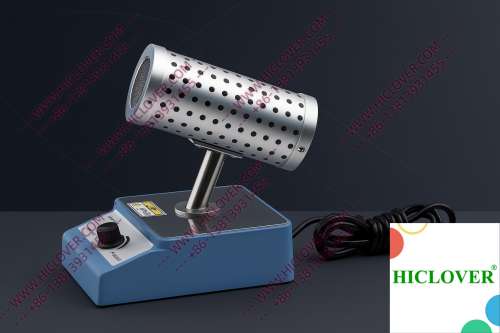
The Micro Incinerator operates on the principle of infrared heat, utilizing a high-temperature ceramic heating chamber to achieve effective sterilization. It features an insulated, enclosed ceramic tube that radiates heat evenly, rapidly elevating the temperature to ensure complete disinfection without the need for open flames. This configuration not only makes it ideal for sensitive laboratory settings but also minimizes the risk of aerosol contamination during the sterilization process.
Key Advantages Over Traditional Flame Sterilizers
- Enhanced Safety: No open flames reduce fire hazards, making it ideal for clean rooms and BSL-2 labs.
- Rapid Sterilization: Infrared high-temperature disinfection works at higher efficiency than alcohol lamps or Bunsen burners.
- Contamination Control: Aerosol-free handling reduces the risk of spreading contaminants.
- Compact Design: Easily portable for use in field testing or mobile labs.
- Hands-on experience with modern sterilization techniques.
- Illustrating the importance of biosafety in laboratory practices.
- Offering practical insights into rapid thermal sterilization methodologies.
- What is a micro incinerator? – A micro incinerator is a sterilization device that uses infrared heat to rapidly disinfect laboratory tools and equipment without an open flame.
- How does the micro incinerator compare to traditional flame sterilizers? – Micro incinerators are safer, faster, and more effective at controlling contamination, while also being easier to use.
- Can I use a micro incinerator in a BSL-2 lab? – Yes, micro incinerators are designed for use in BSL-2 and BSL-3 labs and meet required contamination control standards.
- Is a micro incinerator easy to maintain? – Yes, they require minimal maintenance, significantly reducing downtime in laboratory operations.
- Where can I purchase a micro incinerator in the Czech Republic? – Many laboratory supply distributors and online platforms offer micro incinerators tailored for the Czech market.
Applications in Laboratory Settings
Micro incinerators are finding diverse applications in various laboratory settings, including:
1. Biosafety Cabinets
In BSL-2 and BSL-3 microbiology labs, micro incinerators are indispensable components of sterilization workflows. They can be integrated into biosafety cabinets, allowing researchers to sterilize inoculating loops and other inoculation tools without leaving the sterile environment. This minimizes the risk of contamination, thus safeguarding both laboratory staff and the samples being studied.
2. Teaching Labs
In university teaching labs, educators rely on micro incinerators to instill best practices in sterilization techniques among students. The ease of use and safety features enable future scientists to develop their skills without exposure to hazardous materials or environments. Here’s how they enhance the educational experience:
3. Field Testing
Micro incinerators are also beneficial for field testing laboratories, such as in environmental monitoring of water or soil samples, where sterilization on-site is critical. The portability ensures that researchers can sterilize tools and samples immediately without the need for a fixed lab setup, thus enhancing operational efficiency.
Compliance and Regulatory Standards
The use of micro incinerators aligns with WHO biosafety standards, which stress the importance of proper sterilization protocols in laboratories. The absence of flames in clean rooms or BSL facilities prevents the risks associated with traditional flame sterilizers, thereby enabling compliance with lab sterilization standards and practices.
| Feature | Micro Incinerator | Flame Sterilizers |
|---|---|---|
| Operational Safety | No open flame, reduced fire hazards | Open flame poses fire risks |
| Sterilization Speed | Rapid thermal sterilization | Slower, variable heating |
| Contamination Control | Aerosol-free sterilization | Potential for aerosol spread |
| Portability | Compact and lightweight | Typically stationary |
| Ease of Use | Simple operation without training | Requires skill to operate safely |
FAQs about Micro Incinerators
Conclusion
The implementation of micro incinerators in laboratories across the Czech Republic is setting new standards for waste management and sterilization practices. With their advanced technology and emphasis on safety, they represent a significant upgrade over traditional flame sterilizers. For a more efficient and compliant laboratory sterilization process, consider incorporating a micro incinerator into your workflow.
For inquiries or to explore purchasing options, don’t hesitate to reach out to us today and enhance your laboratory’s waste management capabilities!
Categories:
Tags: