
In laboratory environments, achieving and maintaining biosafety is critical. Scientists and technicians face practical challenges daily, from preventing cross-contamination to ensuring rapid thermal sterilization of instruments without compromising the integrity of sensitive materials. Among the array of sterilization techniques available, closed-chamber sterilizers such as Micro Incinerators and Infrared Inoculating Loop Sterilizers are gaining popularity for their efficiency and safety compared to traditional flame methods like alcohol lamps and Bunsen burners.
Technical Principles of Closed-Chamber Sterilizers
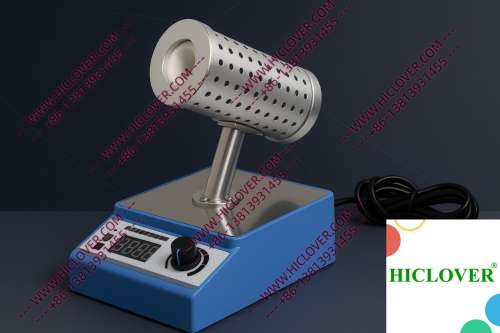
Closed-chamber sterilizers utilize advanced technology to provide high-temperature disinfection without the hazards associated with open flame. At the heart of these devices is an enclosed ceramic heating chamber that utilizes infrared heat to achieve rapid thermal sterilization. This infrared design ensures that sterilization occurs evenly, reducing the risk of hotspots and improving overall efficiency.
Micro Incinerators, for instance, operate by heating an ergonomic ceramic tube to extreme temperatures, allowing for immediate and consistent sterilization of inoculating loops, needles, and other laboratory instruments. The absence of an open flame allows users to work safely within biosafety cabinets where aerosols must be minimized.
Application Scenarios in Real Labs
1. Teaching Labs
University teaching labs often require versatile and reliable sterilization equipment that can handle high usage. Micro Incinerators provide a clean and effective alternative to traditional flame burners, ensuring that students can focus on learning without the added risk of burns or uncontrolled flames. The quick heating mechanism allows students to practice inoculation techniques under safe conditions, preparing them for future roles in clinical diagnostics or research.
2. BSL-2 and BSL-3 Microbiology Labs
In BSL-2 and BSL-3 labs, where pathogens pose higher risks, the use of flame sterilizers can compromise safety protocols. The clean-bench-safe design of the Micro Incinerator eliminates the potential for flame-induced aerosol generation, ensuring a safer workspace for researchers handling infectious agents. Implementing infrared inoculating loop sterilizers minimizes preparation time and enhances the accuracy of bacterial cultures.
Compliance with Standards and Regulations
Laboratory sterilization must adhere to stringent biosafety guidelines set forth by organizations like the World Health Organization (WHO) and other laboratory sterilization standards, particularly in clinical diagnostic settings. The use of open flames poses challenges in maintaining compliance, especially in controlled environments like clean rooms, where the generation of aerosols must be avoided.
Micro Incinerators provide a compliant solution by offering a flame-free method that aligns with biosafety standards, making them suitable for use in environments where cleanliness and safety are paramount.
Advantages of Closed-Chamber Sterilizers vs. Traditional Flame Sterilizers
- Safety: Eliminates the risk of burns or fire hazards in sensitive lab settings.
- Rapid Sterilization: Provides faster thermal sterilization, reducing downtime between procedures.
- Simplicity: Easy to operate, requiring minimal training for lab staff.
- Consistency: Uniform sterilization temperature reduces the chances of incomplete sterilization.
- Clean Environment: Promotes a clean-bench-safe environment free from harmful aerosols.
Comparison Table: Micro Incinerator vs. Traditional Flame Burners
| Feature | Micro Incinerator | Flame Burners |
|---|---|---|
| Heating Source | Infrared | Open Flame |
| Safety | High | Medium |
| Efficiency | Rapid | Varies |
| Compliance | Meets WHO guidelines | Potentially non-compliant |
FAQs
- What is the primary advantage of using a Micro Incinerator over traditional methods?
The primary advantage is enhanced safety and efficiency. Micro Incinerators provide rapid thermal sterilization without the risks associated with open flames. - Can Micro Incinerators be used in field testing labs?
Yes, their portability and ease of use make them suitable for field testing scenarios where quick and reliable sterilization is essential. - Do Micro Incinerators meet WHO biosafety standards?
Absolutely, these sterilizers are designed to meet stringent biosafety regulations, ensuring compliance in sensitive laboratory environments.
Conclusion
In conclusion, the use of Micro Incinerators and Infrared Inoculating Loop Sterilizers offers laboratories an efficient and safe alternative to traditional flame sterilizers. The benefits of rapid thermal sterilization combined with enhanced safety features align perfectly with the needs of modern biosafety compliance. As laboratories continue to prioritize safety and efficiency in their workflows, adopting advanced sterilization methods is vital. For more information or to explore our product offerings, feel free to reach out or place an order today!
Categories:
Tags: