
In the realm of modern laboratories, biosafety challenges loom large, with stringent demands for sterilization workflows. As labs constantly seek to enhance their sterilization processes, the emergence of touch-free technologies, particularly the Micro Incinerator or Infrared Inoculating Loop Sterilizer, has paved the way for safer, cleaner operations. Gone are the days of traditional flame sterilizers, which often posed risks of contamination and inefficiency. This article delves into the technical principles, applications, and compliance considerations surrounding touch-free sterilization in laboratory settings.
The Technical Principles Behind Infrared Sterilization
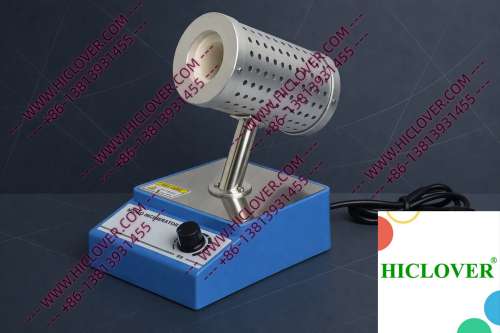
The Micro Incinerator operates on a finely tuned mechanism that leverages infrared heat to achieve rapid thermal sterilization. Its design features an enclosed ceramic heating chamber, which ensures high-temperature disinfection without the combustion hazards of traditional flame sterilizers. The infrared heating technology heats inoculating loops and other lab tools to temperatures exceeding 800°C almost instantly, effectively eliminating microorganisms while maintaining a clean environment.
Device Configuration
Typically, the Micro Incinerator is compact and ergonomically designed, suitable for various lab environments. The device usually comprises the following key features:
- Enclosed ceramic tube for focused heating
- Precision temperature control settings
- Reduced energy consumption compared to traditional methods
- Aerosol-free handling, diminishing the risk of airborne contamination
- Rapid cooling for minimal waiting time
Real-World Applications: Touch-Free Sterilization in Action
1. Use in BSL-2 and BSL-3 Microbiology Labs
In high-containment microbiology labs, where working with pathogenic agents is routine, the need for effective sterilization cannot be overstated. Utilizing the Micro Incinerator ensures that operators can sterilize equipment with confidence while adhering to biosafety protocols. When sterilizing inoculating loops inside a biosafety cabinet, the hands-free operation allows personnel to maintain focus on sample preparation without the distraction of open flames.
2. Application in Field Testing Labs
Field testing scenarios often require rapid response times and maximized safety. The Micro Incinerator’s portability and efficiency make it a prime choice for environmental and clinical sample collection. By allowing researchers to sterilize tools quickly, the device enhances workflow efficiency while providing a reliable means of contamination control in outdoor settings.
Regulatory Compliance and Environmental Considerations
Laboratory sterilization methods are subject to strict compliance with various health and safety standards. The World Health Organization (WHO) sets guidelines to ensure that laboratory practices minimize risks of infectious disease transmission. Traditional flame sterilizers often fall short of these compliance standards, especially in cleanroom environments where the presence of open flames can compromise the integrity of experiments and lead to hazardous situations.
Moreover, the Micro Incinerator contributes positively to laboratory environmental impact by reducing waste generated from disposable sterilization products like alcohol lamps. This not only fosters a greener approach to laboratory operations but also aligns with institutional goals for sustainability.
Comparative Analysis: Micro Incinerator vs. Traditional Flame Sterilizers
| Feature | Micro Incinerator | Flame Sterilizers |
|---|---|---|
| Heating Method | Infrared | Fire/Air Combustion |
| Risk of Contamination | Low | High |
| Energy Efficiency | High | Medium |
| Responsive Heating | Instant | Delayed |
| Safety | Safe (no open flame) | Risk of burns and fire hazards |
FAQs about Touch-Free Lab Sterilization
What are the primary advantages of using a Micro Incinerator over a traditional Bunsen burner?
The primary advantages include reduced risk of contamination, instant heating capabilities, and enhanced safety due to the lack of open flame. This enables labs to maintain rigorous biosafety standards effectively.
How does the infrared technology work in sterilization?
Infrared technology utilizes concentrated thermal energy that rapidly heats the sterilizing tool, achieving disinfection temperatures quickly and efficiently without compromising surrounding surfaces.
Can the Micro Incinerator be used in a cleanroom environment?
Yes, its design is suitable for cleanroom environments as it operates without flames, significantly reducing the risk of contamination while adhering to stringent cleanroom protocols.
What training do lab personnel need to operate a Micro Incinerator?
Users should receive training on device operation, maintenance, and best practices for achieving optimal sterilization conditions while ensuring safety procedures are followed.
Where can I find manufacturers of Micro Incinerators in my region?
Many suppliers operate regionally, including in major cities like New York, Los Angeles, and Houston in the USA, as well as international distributors. It’s best to consult laboratory supply directories or industry expos for direct contacts.
Conclusion
As laboratory sterilization practices evolve, the transition to touch-free sterilization technology like the Micro Incinerator becomes vital. Investing in this advanced equipment not only boosts operational efficiency but also ensures compliance with biosafety standards. Contact us today to learn more about how you can enhance your lab’s sterilization methods with our top-tier Infrared Inoculating Loop Sterilizer solutions, tailored to meet your specific laboratory demands.
Categories:
Tags: