
In contemporary laboratory settings, maintaining biosafety and sterilization adherence is critical. Laboratory professionals face numerous challenges, from ensuring that equipment operates effectively to mitigating contamination risks. With growing demands for reliable sterilization techniques, the use of advanced sterilizers like the Micro Incinerator or Infrared Inoculating Loop Sterilizer has become increasingly significant.
Understanding the Micro Incinerator: Key Features and Technical Principles
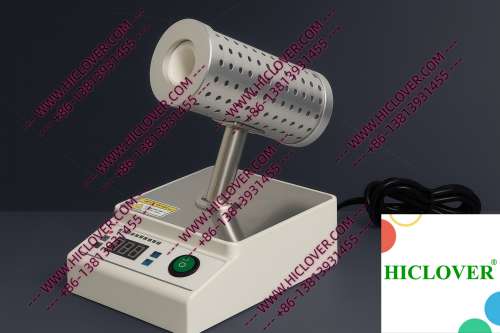
The Micro Incinerator exemplifies modern sterilization technology tailored for efficient, rapid thermal sterilization. Utilizing infrared heat, this device eliminates the need for open flames, ensuring safe and effective sterilization in both cleanroom and laboratory environments.
- Enclosed Ceramic Heating Chamber: The design features a compact, enclosed ceramic tube that maximizes efficiency and minimizes the risk of contamination during operation.
- Infrared High-Temperature Disinfection: With temperatures that can exceed 800°C, the Micro Incinerator ensures that inoculating loops and other tools are decontaminated quickly and thoroughly.
- Clean-Bench-Safe: The absence of flame makes it an ideal choice for use in biosafety cabinets, thus eliminating the risks associated with flammable materials and aerosols.
Application Scenarios: Real Labs In Action
The Micro Incinerator has proven its versatility in various laboratory contexts, particularly in BSL-2 and BSL-3 microbiology labs where stringent biosafety protocols are essential.
1. Field Testing Laboratories
In field testing environments, such as those encountered by clinics operating in remote regions, the portability and reliability of the Micro Incinerator facilitate rapid sterilization procedures while reducing the risk of contamination. Its compact size allows for easy transport, ensuring that teams can maintain cleanliness without the need for gas sources or electricity, as long as the device is charged or portable.
2. University Teaching Labs
The Micro Incinerator is also widely used in university teaching laboratories, where students learn sterile technique practices. Instructors can demonstrate effective sterilization methods without risking exposure to open flames, which can be particularly hazardous in an educational setting. This helps cultivate a culture of safety and responsibility among future scientists.
Compliance and Environmental Considerations
Adhering to strict sterilization standards is mandatory for laboratories worldwide. The World Health Organization (WHO) emphasizes the necessity of following comprehensive biosafety protocols, particularly in laboratories handling pathogens. Compliance with international sterilization standards ensures that laboratories maintain a safe operating environment.
In cleanroom settings, utilizing a Micro Incinerator aligns with practices that discourage flame usage, thereby preventing the introduction of ignition sources in sensitive areas. Moreover, using such technology reduces the need for lit alcohol lamps or Bunsen burners, which can contribute to contamination risks due to open flames and the potential for aerosol generation.
Advantages Over Traditional Flame Sterilizers
When compared to conventional flame sterilizers such as alcohol lamps and Bunsen burners, the Micro Incinerator offers numerous advantages:
| Feature | Micro Incinerator | Traditional Flame Sterilizer |
|---|---|---|
| Emissions | No emissions and aerosols | Produces fumes and aerosols |
| Heat Control | Instant heat, adjustable settings | Less precise, prolonged ignition necessary |
| Safety | No open flame, clean-bench-safe | Potential fire hazard, hard to contain |
| Efficiency | Quick sterilization cycles | Slower due to flame ignition |
| Portability | Compact and lightweight | Heavy and less mobile |
Frequently Asked Questions
- How does the Micro Incinerator differ from standard autoclaves?
Unlike autoclaves, which use steam under pressure, the Micro Incinerator employs infrared heat for rapid sterilization, making it ideal for specific lab applications. - Can the Micro Incinerator be used in conjunction with a biosafety cabinet?
Absolutely! It’s specifically designed to be used within biosafety cabinets, enhancing the safety and efficiency of sterilization processes. - What is the maintenance frequency for the Micro Incinerator?
Regular testing and validation are recommended to ensure optimal performance, with monthly checks and calibration as necessary. - Is there training available for proper usage of the Micro Incinerator?
Yes! Many suppliers offer comprehensive training sessions which highlight safety protocols and operational best practices. - What industries typically utilize the Micro Incinerator?
This device is invaluable across various fields, including clinical diagnostics, academic research, and mobile testing laboratories.
Conclusion: Elevate Your Laboratory Standards Today
In conclusion, the importance of regular testing and validation of laboratory sterilizers, especially with innovations like the Micro Incinerator, cannot be overstated. Ensuring that your laboratory meets compliance requirements while optimizing workflow enhances biosafety and efficiency. If you’re interested in acquiring state-of-the-art sterilization equipment, we invite you to reach out to us today.
Categories:
Tags: