
Laboratories face numerous biosafety challenges, particularly in managing contamination control and ensuring sterile conditions for sensitive experiments. The demand for reliable sterilization workflows has made it imperative for labs to adopt advanced technologies. Among these, the Micro Incinerator, or Infrared Inoculating Loop Sterilizer, stands out as an efficient solution designed to meet the rigorous needs of modern laboratory environments.
Understanding the Technical Principles
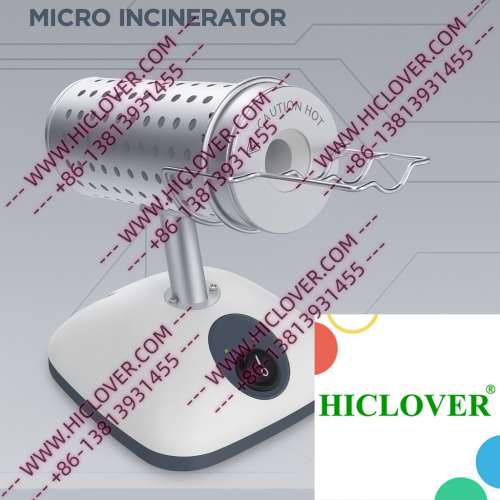
The Micro Incinerator operates on the principle of rapid thermal sterilization. This equipment utilizes infrared heat, which is emitted through an enclosed ceramic tube, delivering high-temperature disinfection rapidly and evenly. Unlike traditional flame sterilizers, such as alcohol lamps or Bunsen burners, the Micro Incinerator ensures an aerosol-free handling environment, significantly reducing the risk of airborne contamination.
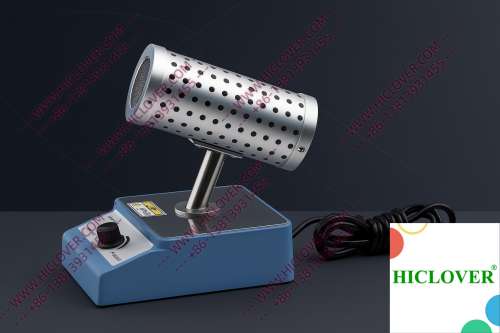
The innovative design features a ceramic heating chamber that allows for precise temperature control, making it safe for use within clean-bench environments. As a result, users can achieve consistent sterilization of inoculating loops, needles, and other tools without the hazards associated with open flames.
Applications in Real-World Laboratories
- Biosafety Cabinets: In BSL-2 and BSL-3 microbiology labs, maintaining sterility is crucial. The Micro Incinerator can be integrated seamlessly into biosafety cabinets, allowing researchers to perform their tasks while minimizing contamination risks effectively.
- Field Testing Labs: In field testing scenarios, where portable sterilization equipment is essential, the Micro Incinerator provides a lightweight, safety-oriented alternative. It enables safe sterilization of equipment in various environments, maintaining compliance with health regulations.
- Teaching Labs: Educational institutions benefit from utilizing this device in teaching labs. The simplicity and safety of the Micro Incinerator promote hands-on learning while ensuring that students are trained in using sterile techniques without the risks associated with flame usage.
- What are the advantages of using a Micro Incinerator over traditional flame sterilizers?
The Micro Incinerator offers safer, quicker, and more controlled sterilization without the risks associated with flames. - Is the Micro Incinerator suitable for all laboratory environments?
Yes, it is designed for safe use in clean rooms, biosafety cabinets, and even field testing labs. - Can the Micro Incinerator be used in teaching laboratories?
Absolutely! It provides an excellent training tool for students learning aseptic techniques. - How does the Micro Incinerator comply with health and safety regulations?
It meets various biosafety standards, helping labs reduce contamination risks and comply with WHO guidelines. - What types of materials can be sterilized using a Micro Incinerator?
It is effective for sterilizing inoculating loops, needles, and other laboratory tools.
Compliance and Environmental Considerations
Laboratory sterilization practices must comply with various standards set by organizations such as the WHO. The Micro Incinerator aligns with critical sterilization standards, enhancing safety in clean rooms by eliminating open flames. In addition, its eco-friendly design contributes to a cleaner laboratory environment, reducing the generation of toxic fumes typically associated with traditional flame sterilizers.
Given the stringent biosafety regulations prevalent in many countries, including the United States and throughout Europe, the adoption of high-quality sterilization equipment has significant compliance benefits. This ensures that organizations not only protect their personnel but also adhere to international safety guidelines.
Comparison: Micro Incinerator vs. Traditional Flame Sterilizers
| Feature | Micro Incinerator | Traditional Flame Sterilizer |
|---|---|---|
| Heat Source | Infrared Heat | Open Flame |
| Contamination Control | Aerosol-Free | Risk of Contamination |
| Safety | Clean-Bench-Safe | Open Flame Hazards |
| Speed of Sterilization | Rapid Thermal Disinfection | Varies by User |
| Compliance | Meets WHO Standards | May Not Comply |
Frequently Asked Questions
Conclusion: Elevate Your Laboratory Safety and Efficiency
Transitioning to the Micro Incinerator offers laboratories substantial advantages in terms of safety, compliance, and sterilization workflow efficiency. For laboratories aiming to enhance their biosafety measures, investing in infrared inoculating loop sterilizers can transform your sterilization processes. Reach out today to discover how the Micro Incinerator can fit the needs of your laboratory and ensure a contamination-free environment.
Categories:
Tags: