
As laboratories worldwide grapple with biosafety challenges and stringent sterilization workflow demands, the need for environmentally friendly sterilization methods becomes increasingly critical. Traditional flame sterilizers, such as alcohol lamps and Bunsen burners, are often the go-to solutions for sterilization, but they pose potential safety hazards and environmental concerns. Enter the Micro Incinerator / Infrared Inoculating Loop Sterilizer—a revolutionary technology that optimizes sterilization processes by employing eco-friendly principles.
Understanding the Scientific Principles
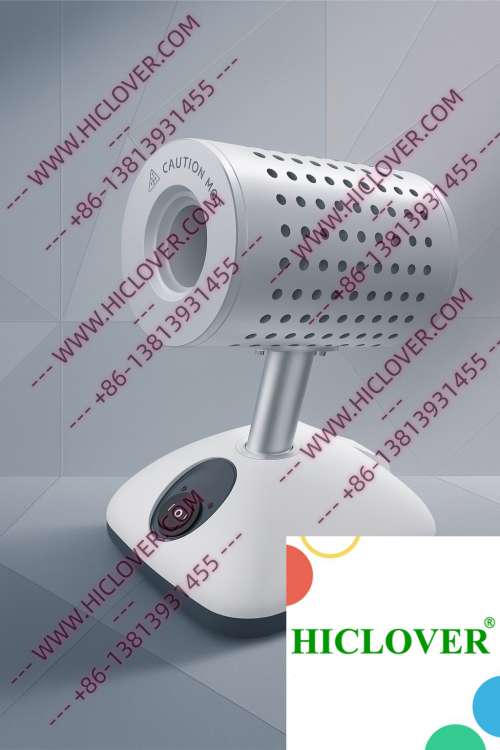
The Micro Incinerator utilizes an enclosed ceramic tube and infrared heat to achieve rapid thermal sterilization. When the infrared heat is emitted, it quickly and evenly heats inoculation loops, glassware, and tools to temperatures exceeding 800°C, effectively eliminating harmful pathogens without the risk of flame-based accidents or contamination. By creating a contained, high-temperature environment, the Micro Incinerator promotes contamination control while avoiding the common hazards associated with open flames.
Applications of Micro Incinerators in Various Laboratory Settings
1. University Teaching Labs
In educational institutions, the importance of maintaining a sterile environment is paramount. Micro Incinerators are ideal for use in university teaching labs where students are learning aseptic techniques. With their compact design and user-friendly operation, these devices enable students to safely sterilize their tools without the risks associated with traditional flame methods. Additionally, this promotes an understanding of green sterilization practices from the outset of their training.
2. Biosafety Cabinets
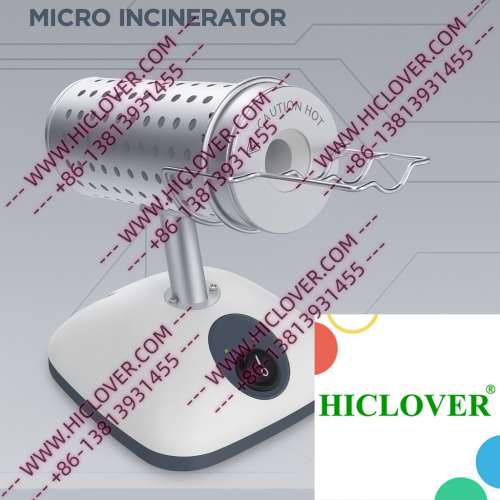
In BSL-2 and BSL-3 microbiology labs, the Micro Incinerator provides enhanced safety measures. Operated within biosafety cabinets, this sterilizer ensures that no aerosols are released into the air, minimizing contamination risks. The high-temperature disinfection achieved via infrared technology is especially effective for sterilizing inoculating loops and other lab tools immediately after use, thus maintaining a clean working environment.
Compliance and Environmental Considerations
Compliance with rigorous standards and regulations is vital for laboratories to maintain safety and operational integrity. According to the World Health Organization (WHO), laboratory sterilization methods should reduce environmental impact while ensuring effective contamination control. WHO guidelines emphasize the need for steam sterilization and innovative technologies like the Micro Incinerator, particularly in settings requiring stringent biosafety measures (BSL-2 and BSL-3).
Furthermore, avoiding flames in clean rooms has become necessary due to the risk of contamination and damaging volatile elements. The Micro Incinerator addresses this challenge by providing a clean, flame-free solution that aligns with industry biosafety compliance standards, thereby ensuring laboratories can operate without compromising their sterile environments.
Comparison: Micro Incinerator vs. Flame Burners
| Features | Micro Incinerator | Flame Burners |
|---|---|---|
| Heating Method | Infrared, enclosed ceramic | Open flame |
| Safety | Low risk of burns or contamination | Flame and aerosol risk |
| Efficiency | Rapid thermal sterilization | Time-consuming |
| Environmental Impact | Eco-friendly, no harmful emissions | Possible evaporation of alcohol fumes |
| Cost-Effectiveness | Reduced long-term cost due to lower operational risks | Higher consumable costs (alcohol, etc.) |
FAQs on Micro Incinerators and Eco-Friendly Sterilization
- How does a Micro Incinerator improve laboratory safety? By eliminating open flames, it reduces the risk of accidents and contamination.
- Can the Micro Incinerator be used in clean rooms? Yes, it is designed to operate without producing aerosols or contaminating the environment.
- What are the benefits of using infrared technology for sterilization? Infrared technology enables rapid and efficient heat transfer, leading to effective disinfection.
- Is a Micro Incinerator suitable for field testing laboratories? Yes, its portability allows it to be used effectively in mobile or field testing labs.
- Are there specific compliance guidelines for using sterilization equipment? Laboratories should adhere to WHO biosafety guidelines and local health regulations to maintain safe practices.
Conclusion
In an era where laboratory safety and environmental responsibility must coexist, the Micro Incinerator represents a significant advancement in sterilization technology. Its eco-friendly approach, combined with unmatched safety features, makes it an essential choice for those in the fields of clinical diagnostics, university education, and research.
If you are a laboratory supply distributor, hospital, or academic institution, consider investing in a Micro Incinerator / Infrared Inoculating Loop Sterilizer today. By making this choice, you not only prioritize safety and compliance but also contribute to sustainable laboratory practices. Contact us today to learn more about incorporating this innovative sterilization solution into your operations!
Categories:
Tags: