
In laboratory settings, maintaining biosafety is critical for ensuring the integrity of research results and the safety of personnel. One of the significant challenges faced by laboratories is effective sterilization, particularly in environments that prioritize contamination control. The quest for efficient sterilization methods often leads to debates about the effectiveness and safety of various sterilization tools, such as the Micro Incinerator, also known as the Infrared Inoculating Loop Sterilizer.
Understanding the Technical Principles
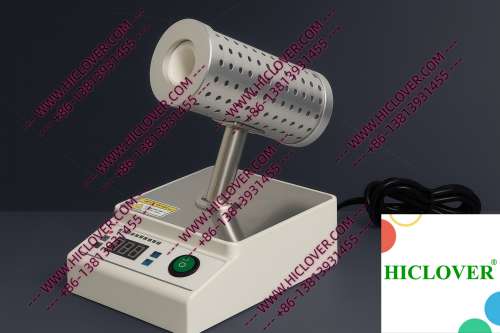
The Micro Incinerator employs a unique design featuring an enclosed ceramic tube that generates rapid thermal sterilization through infrared heat. Unlike traditional flame sterilizers, such as alcohol lamps and Bunsen burners, the infrared sterilizer provides a clean, high-temperature environment that enables aerosol-free handling of inoculating loops and other equipment. This innovation reduces the risks of airborne contaminants that can compromise experiments or present health hazards.
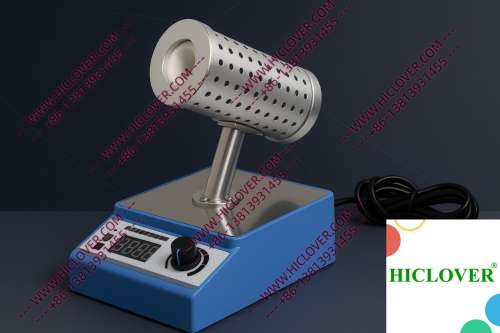
Highlights of the Micro Incinerator
- High-temperature ceramic heating chamber for efficient sterilization
- Infrared technology for instant heating
- Stable performance with minimized risk of flame-related accidents
- Maintenance-free operation with no open flame required
Application Scenarios in Real Labs
1. BSL-2 / BSL-3 Microbiology Labs
In high-containment laboratories, such as BSL-2 and BSL-3 facilities, using a flame sterilizer poses multiple risks, including potential accidents and contamination from aerosols. The Micro Incinerator offers a superior solution by eliminating the open flame while maintaining a safe, efficient, and effective sterilization process. Its compact design makes it suitable for use within biosafety cabinets, ensuring the workflow remains uninterrupted and contamination control mandates are strictly observed.
2. University Teaching Labs
Many university teaching labs face challenges with traditional sterilization methods, especially in courses involving microbiology and molecular biology. The Micro Incinerator not only enhances safety by removing flames but also allows instructors and students to focus on practical applications of sterile techniques without hesitation. This technology encourages students to adopt safer practices from the outset, preparing them for future research environments.
Compliance and Environmental Standards
Adhering to biosafety regulations is crucial for laboratory operations. The World Health Organization (WHO) emphasizes the importance of operational protocols that involve stringent sterilization processes to prevent laboratory-associated infections (LAIs). Laboratory sterilization standards such as ISO 14971 mandate identifying risks and ensuring that the chosen methods adequately mitigate these risks.
When considering sterilization methods, it is essential to acknowledge that flame sterilizers are prohibited in clean rooms or sensitive environments due to the risk of introducing contaminants through smoke and particulates. In contrast, the Micro Incinerator is designed for such applications, providing a compliant sterilization solution that aligns with best practices in laboratory safety.
Micro Incinerator vs. Traditional Flame Sterilizers
| Feature | Micro Incinerator | Flame Sterilizers |
|---|---|---|
| Heat Source | Infrared | Open Flame |
| Safety | High; no open flames | Medium; flame hazards |
| Usability in Clean Environments | Ideal | Not Recommended |
| Maintenance | No maintenance required | Regular maintenance needed |
| Speed of Sterilization | Rapid | Varies |
Frequently Asked Questions (FAQs)
1. How does a Micro Incinerator differ from traditional sterilization methods?
The Micro Incinerator uses infrared heat for rapid sterilization, eliminating the need for an open flame and reducing contamination risks significantly compared to traditional methods like Bunsen burners.
2. Can the Micro Incinerator be used in clean rooms?
Yes, the Micro Incinerator is explicitly designed for cleanroom environments as it does not produce contaminants associated with flames.
3. Is there a learning curve for using a Micro Incinerator?
Most users find the Micro Incinerator easy to operate, with minimal training required compared to traditional flame sterilizers.
4. What type of labs benefit most from using a Micro Incinerator?
Biosafety level 2 and 3 labs, clinical diagnostics labs, and university teaching labs find the Micro Incinerator particularly beneficial due to its safety and efficiency features.
5. What regulations should I be aware of when selecting a sterilizer for my lab?
It’s important to comply with WHO guidelines, ISO standards, and local regulations regarding laboratory health and safety protocols, particularly for biosafety.
Conclusion
Understanding the benefits and operational efficiencies of the Micro Incinerator—or Infrared Inoculating Loop Sterilizer—can significantly affect laboratory workflows and contamination control measures. By relying on this innovative solution, laboratories can enhance safety while adhering to regulatory standards. For organizations looking to upgrade their sterilization practices or implement top-tier biosafety measures, the Micro Incinerator presents a compelling case. Contact us today to learn more about integrating this essential equipment into your laboratory operations.
Categories:
Tags: