
In the ever-evolving landscape of laboratory research, safety is paramount. Researchers worldwide face the significant challenge of contamination control, particularly in PCR rooms where precision and sterility are critical. This article discusses the latest trends in laboratory sterilization equipment, focusing specifically on the innovative Micro Incinerator or Infrared Inoculating Loop Sterilizer. As the biosafety standards tighten globally, researchers need to embrace modern solutions that not only comply with regulations but also optimize workflow and enhance safety in various lab settings.
Challenges in Laboratory Biosafety
With the rising importance of microbiological safety and the need for sterile environments, traditional flame sterilizers such as alcohol lamps and Bunsen burners are becoming increasingly inadequate. These methods, while historically popular, are prone to generating aerosols and offer inconsistent sterilization, leading to possible contamination during critical sampling processes. Furthermore, the need to maintain strict biosafety measures in environments like BSL-2 and BSL-3 laboratories increases the demand for more efficient, compliant, and user-friendly sterilization methods.
Technical Principles Behind Infrared Inoculating Loop Sterilizers
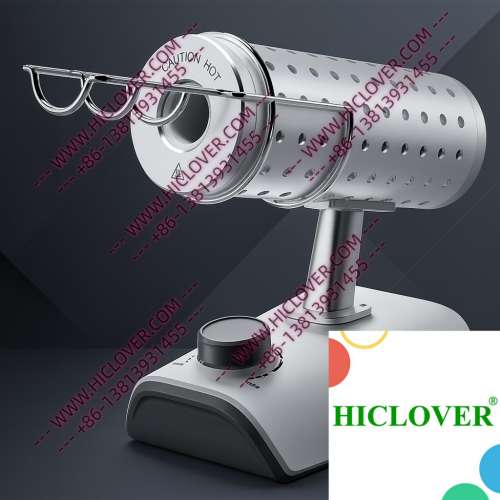
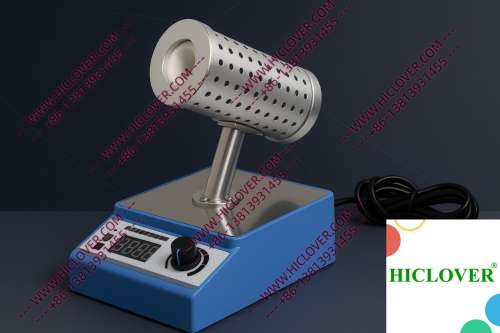
The Micro Incinerator, or Infrared Inoculating Loop Sterilizer, utilizes advanced thermal technology to achieve rapid thermal sterilization. The primary mechanism of this device is infrared heating, which operates through an enclosed ceramic tube. This innovative design eliminates open flames, ensuring a clean-bench-safe environment and mitigating the risk of fire hazards. Here are some standout features of the Micro Incinerator:
- Infrared high-temperature disinfection: Reaches optimal sterilization temperatures swiftly.
- Compact and portable design: Ideal for both laboratory benches and field testing.
- Easy-to-use operation: Just plug it in and wait for the heating element to reach the desired temperature.
- Aerosol-free handling: Significantly reduces the risk of airborne contamination.
Application Scenarios in Real Labs
Understanding the practical applications of the Micro Incinerator can help researchers make informed decisions. Here are two scenarios illustrating its effectiveness:
1. Biosafety Cabinets
In a typical BSL-3 microbiology lab, the Micro Incinerator ensures that inoculating loops are sterilized quickly before sample manipulation. The device’s aerosol-free operation is crucial in maintaining the sterile field within the biosafety cabinet, allowing researchers to conduct their work without fear of contamination. Unlike traditional methods, which could introduce unwanted variables, infrared sterilization offers consistent and reliable results.
2. University Teaching Labs
In university settings, teaching labs often struggle with safe sterilization methods. The Micro Incinerator is particularly beneficial as it can safely handle sterilization in an educational environment where students may not have the experience to manage open flames. Instructors can confidently guide students in sterile techniques using this technology, emphasizing contamination control without compromising safety.
Compliance with Biosafety Standards
As laid out by organizations like the World Health Organization (WHO), there is an increasing emphasis on compliance with biosafety regulations. Traditional flame methods not only pose a contamination risk but can also be non-compliant with guidelines for clean rooms and sterilization standards. The Micro Incinerator, with its flame-free operation, adheres to stringent laboratory sterilization standards, making it an essential piece of equipment in labs aiming for best practices in biosafety.
“A sterile environment is fundamental to reliable research outcomes, and choosing the right sterilization method is crucial.”
Comparison: Micro Incinerator vs. Traditional Flame Burners
| Feature | Micro Incinerator | Traditional Flame Burners |
|---|---|---|
| Operational Safety | Flame-free, reduced risk of accidents | Open flame, higher risk of fire hazards |
| Aerosol Generation | None | Can generate harmful aerosols |
| Heating Mechanism | Infrared technology for rapid heating | Combustion-based heating |
| Portability | Compact and easy to transport | Larger, less portable |
| Cable Management | Minimal, plug-and-go use | Fuel supply management required |
FAQs
What makes the Micro Incinerator safer than traditional sterilizers?
The Micro Incinerator eliminates open flames, which reduces fire risks and prevents aerosol generation, ensuring a safer working environment.
Can the Micro Incinerator be used in field testing setups?
Yes, its compact design makes it suitable for mobile and field testing applications where traditional fire-based methods may be impractical.
How fast can I achieve sterilization with this device?
The Micro Incinerator offers rapid thermal sterilization, reaching optimal temperatures in just a few seconds, ensuring quick turnaround times during your experiments.
What are the main applications for an Infrared Inoculating Loop Sterilizer?
This device is ideal for use in biosafety cabinets, field testing labs, university teaching laboratories, and in any setting where precise sterilization is required.
Does using an Infrared Inoculating Loop Sterilizer impact compliance with biosafety standards?
Indeed, its flame-free operation and efficient sterilization capabilities help ensure compliance with international biosafety standards and lab regulations.
Conclusion
In a world where research integrity relies heavily on laboratory sterilization efficacy, the Micro Incinerator or Infrared Inoculating Loop Sterilizer emerges as a leading solution. Its ability to maintain high biosafety compliance while ensuring rapid thermal sterilization positions it as an essential upgrade for labs involved in critical microbiological research. For laboratories looking to improve workflow efficiency and enhance safety measures, investing in modern sterilization equipment is not just advisable—it’s imperative. Reach out today to explore our offerings and discover how we can enhance your laboratory’s sterilization processes.
Categories:
Tags: