
In the world of laboratory operations, effective biosafety measures and reliable sterilization workflows are non-negotiable. Laboratories face the ongoing challenge of maintaining sterile environments to prevent contamination, particularly when handling sensitive biological materials. Among the various sterilization options available, the use of electric loop incinerators—specifically, the Micro Incinerator or Infrared Inoculating Loop Sterilizer—has gained significant traction. This article delves into the advantages of these devices in enhancing sterilization processes, their practical applications, compliance with biosafety regulations, and their contributions to circular economy initiatives.
Understanding the Technical Principles
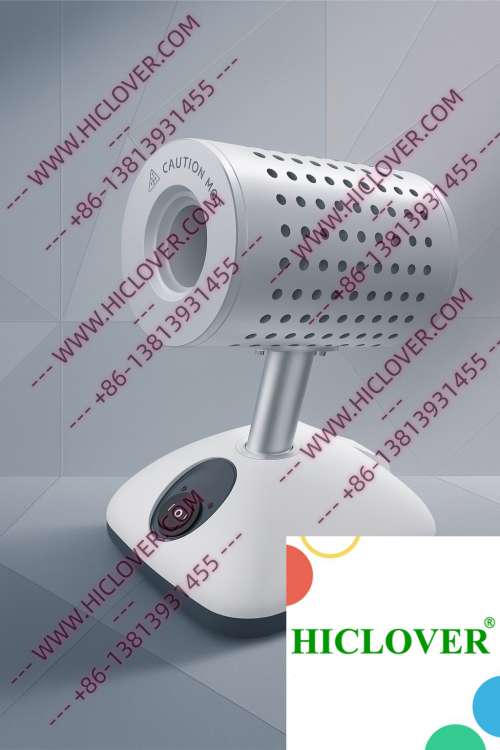
The Micro Incinerator, also known as the Infrared Inoculating Loop Sterilizer, employs advanced heating technology to achieve rapid thermal sterilization. Utilizing infrared heat generated within an enclosed ceramic heating chamber, these devices provide swift disinfection of inoculating loops and other small instruments. The insulated design ensures that the heat is focused and stable, minimizing the risk of overheating and maintaining consistency in sterilization. This technology is a paradigm shift compared to traditional methods such as Bunsen burners or alcohol lamps, which can introduce risks of open flames and require more extensive safety precautions.
Advantages Over Traditional Flame Sterilizers
- Safety: Unlike flame devices, the Micro Incinerator eliminates the risk of burns or fire hazards in a clean bench or biosafety cabinet environment.
- Efficiency: With rapid thermal penetration, it reduces wait times between sterilization cycles, promoting a smoother workflow.
- Cleanroom Compliance: The absence of an open flame makes it suitable for cleanroom applications and field testing labs, ensuring contamination control.
- Precision: Infrared technology offers consistent temperature control, essential for effective sterilization, especially in BSL-2 and BSL-3 environments.
Application Scenarios in Real Labs
1. Biosafety Cabinet Utilization
In a BSL-2 microbiology lab, the use of the Micro Incinerator is vital for safe handling of microbial cultures. Researchers can sterilize inoculating loops quickly between transfers, maintaining a sterile environment while working under a biosafety cabinet. The rapid heating ensures that the loops reach the necessary temperature for effective sterilization, thereby enhancing productivity without compromising safety.
2. Teaching Laboratories
University teaching labs frequently balance instructional effectiveness with safety. The Micro Incinerator serves as an excellent tool in this setting, allowing students to learn proper inoculation techniques under controlled conditions. The instructor can demonstrate the sterilization process without the risks associated with using a flame, providing a safer learning environment while maintaining compliance with laboratory safety standards.
Compliance and Environmental Considerations
Compliance with biosafety and sterilization standards is critical for laboratories handling pathogenic materials. The World Health Organization (WHO) sets guidelines for laboratory biosafety that include recommendations on sterilization methods. Unlike traditional flame-based sterilizers, the Micro Incinerator’s design aligns with cleanroom protocols, as it produces no aerosols or combustion byproducts. This makes it a preferred choice for labs operating in compliance with stringent safety regulations, such as those outlined in ISO 15189:2012 standards for medical laboratories.
This emphasis on safety aids not only in preventing contamination but also in supporting circular economy initiatives. By utilizing equipment that generates less waste and offers longer life cycles, laboratories can effectively reduce their environmental footprint while maintaining operational efficiency.
FAQs Regarding Micro Incinerators
1. What is the main advantage of using a Micro Incinerator over a Bunsen burner for sterilization?
The primary advantage is enhanced safety; Micro Incinerators do not produce flames, thereby reducing the risk of burns or fire hazards in the lab.
2. Can Micro Incinerators be used in cleanroom environments?
Yes, they are particularly well-suited for cleanroom settings due to their enclosed design, which prevents the release of aerosols and other contaminants.
3. How does the infrared heating technology work in the Micro Incinerator?
The infrared heating technology provides rapid and efficient temperature rise, ensuring that instruments are sterilized quickly and effectively without excessive energy consumption.
4. Is the Micro Incinerator suitable for field testing labs?
Yes, its compact size and efficient heating system make it ideal for field testing applications where sterilization needs to occur on-site.
5. Does the Micro Incinerator comply with international biosafety standards?
Absolutely. The Micro Incinerator adheres to various international biosafety standards, making it a reliable option for laboratories that prioritize regulatory compliance.
Conclusion
In the ongoing effort to improve laboratory workflows while adhering to biosafety standards, the integration of the Micro Incinerator or Infrared Inoculating Loop Sterilizer presents a significant advancement. Its impact on efficient sterilization, coupled with compliance to stringent laboratory regulations, positions this technology as a crucial component in both educational and research-focused laboratories. For those interested in enhancing their sterilization practices and contributing to sustainable laboratory operations, consider reaching out for more information on acquiring this innovative equipment.
Categories:
Tags: