
As laboratory operations expand and biosafety needs mount, the sterilization workflow within labs confronts substantial challenges. Ensuring contamination control while adhering to rigorous safety protocols demands innovative solutions. Enter the Micro Incinerator, particularly the Infrared Inoculating Loop Sterilizer, a game-changer for laboratory sterilization practices in Qatar and beyond.
Laboratory Biosafety Challenges
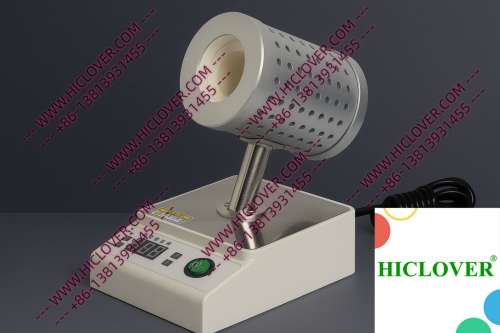
The growing number of biological research activities in laboratories—especially BSL-2 and BSL-3 facilities—brings heightened risks of contamination. Traditional sterilization methods like alcohol lamps and Bunsen burners, while common, pose safety risks such as flames in clean environments, producing aerosols that could spread contaminants. In such sensitive environments, an efficient, safe alternative is essential. The Micro Incinerator ensures rapid thermal sterilization without the additional hazards associated with open flames.
Technical Design and Functionality
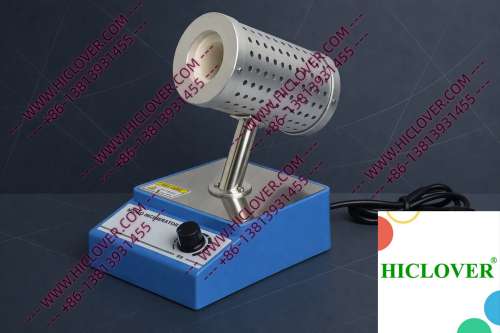
The Micro Incinerator utilizes a high-temperature infrared heating system, where an enclosed ceramic tube permits effective sterilization without combustion. This technology ensures:
- Rapid Sterilization: Achieving temperatures exceeding 800°C, leading to effective disinfection within seconds.
- High Contamination Control: The enclosed design minimizes the risks of contamination and aerosol generation.
- Clean-bench-safe Operation: Ideal for use in sterile environments, contributing to a safe laboratory setting.
- What makes the Micro Incinerator a safer option than traditional flame sterilizers? Its enclosed design and infrared heating eliminate the risks associated with open flames, making it ideal for sensitive environments.
- Can the Micro Incinerator be used in field testing labs? Yes, its portability and efficiency make it an excellent choice for field laboratories.
- How quickly can it sterilize tools? The sterilization process takes mere seconds, ensuring high throughput and efficiency.
- Does the Micro Incinerator meet WHO biosafety standards? Absolutely, it complies with rigorous safety protocols crucial for laboratories handling infectious agents.
- Is it suitable for teaching labs? Yes, it is particularly effective in educational settings where sterile practices are demonstrated consistently and safely.
Practical Applications in Laboratories
Implementing the Micro Incinerator in diverse laboratory settings enhances workflow efficiency and biosafety compliance. Below, we explore two distinct scenarios:
1. University Teaching Labs
In educational institutions, hands-on experience with microbiological techniques necessitates reliable sterilization. The infrared inoculating loop sterilizer allows students to practice aseptic technique without the risks associated with flames. Its user-friendly design fosters a conducive learning environment where sterile practices can be demonstrated effectively, from loop inoculations to culture transfers.
2. Field Testing Laboratories
Mobile or field testing labs, often deployed in remote areas, face unique challenges in maintaining sterilization standards. The Micro Incinerator proves invaluable here, providing portable, efficient sterilization that does not rely on electricity and offers quick usability. This allows researchers working in the field to ensure their tools remain sterile without the nuisance and danger of traditional flame burners.
Compliance and Environmental Standards
Adherence to global laboratory biosafety standards such as those set by the World Health Organization (WHO) is paramount. The Micro Incinerator stands out by complying with stringent sterilization protocols required for laboratories handling pathogenic material. It eliminates the risk of flame-related accidents in clean rooms while enabling the rapid, high-temperature disinfection needed in both clinical diagnostics and academic research. Moreover, by offering an aerosol-free handling process, this technology aligns with modern environmental concerns regarding biohazard disposal.
Comparison of Sterilization Methods
Below is a comparison table outlining the advantages of the Micro Incinerator over traditional flame sterilizers:
| Feature | Micro Incinerator | Flame Burners |
|---|---|---|
| Heating Method | Infrared | Open flame |
| Temperature Control | Rapid, consistent | Variable |
| Contamination Risk | Aerosol-free | High risk |
| User Safety | Safe for clean environments | Potential hazards |
| Operational Requirements | Minimal | Ongoing fuel supply |
Frequently Asked Questions
Conclusion
The rise of micro incinerators in Qatar represents a significant step forward in laboratory waste management and sterilization practices. By mitigating the challenges associated with traditional sterilization methods, these devices not only enhance workplace safety but also boost compliance with global standards. For laboratories seeking to innovate their sterilization workflows, investing in a Micro Incinerator is a practical and impactful choice.
Consider contacting us to explore our range of Micro Incinerators designed to meet your laboratory’s specific needs and elevate your biosafety protocols.
Categories:
Tags: